Review: Green Tea and Matcha from Kagoshima Tea
This post contains affiliate links. For more information, please read our affiliate disclosure.
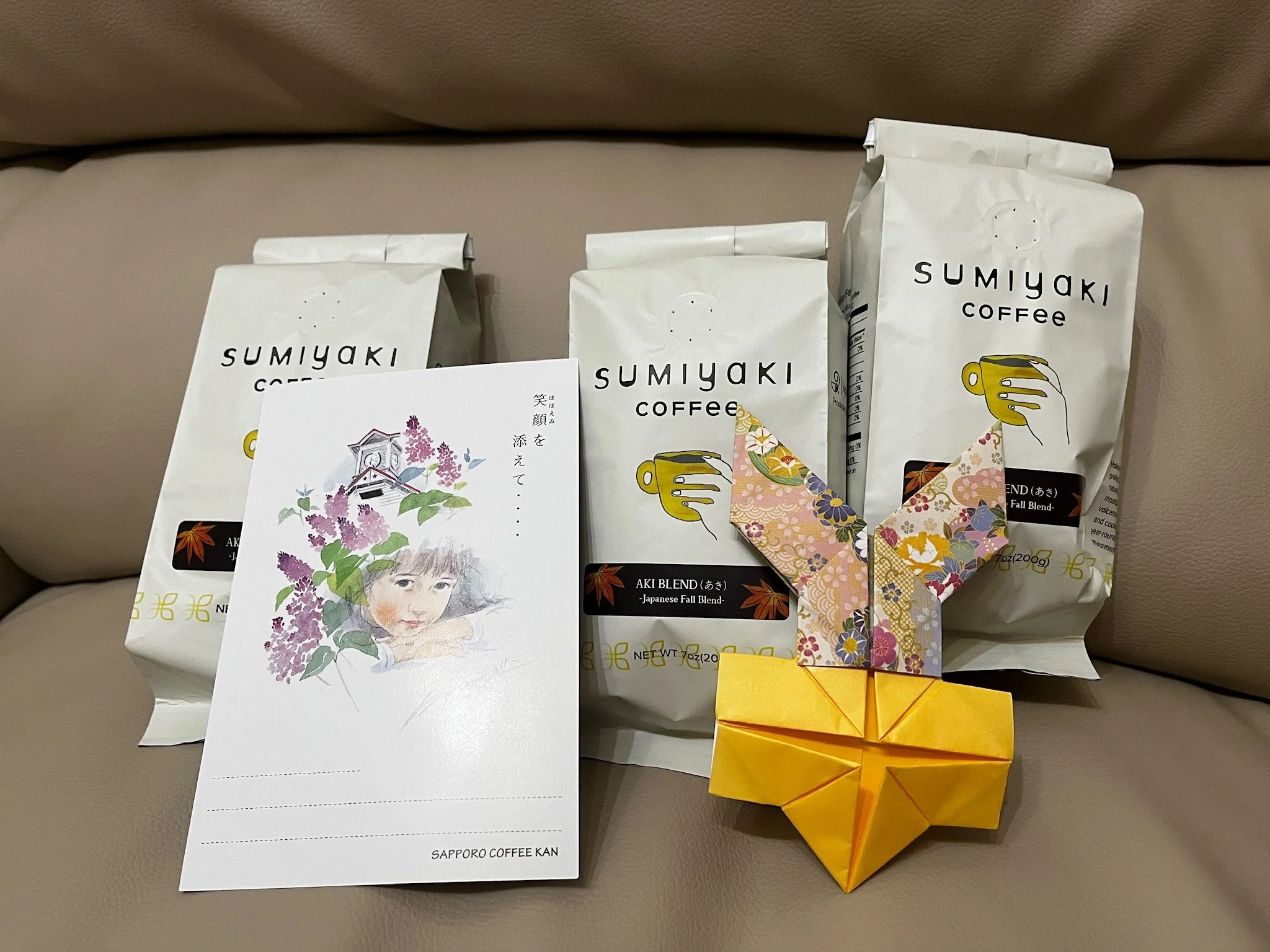
One perk of having a Japan blog is that every now and then, companies will send us stuff if we promise to review it. Usually, the stuff is pretty good. One company we’ve developed a relationship with over the years is Japanese Coffee Co., which has sent us charcoal-roasted coffee in both bean and instant form. We love their coffee, so we try to keep them happy in the hopes of getting more. The same people behind that company also sell Japanese tea to the global market, and last week, they sent us some tea!
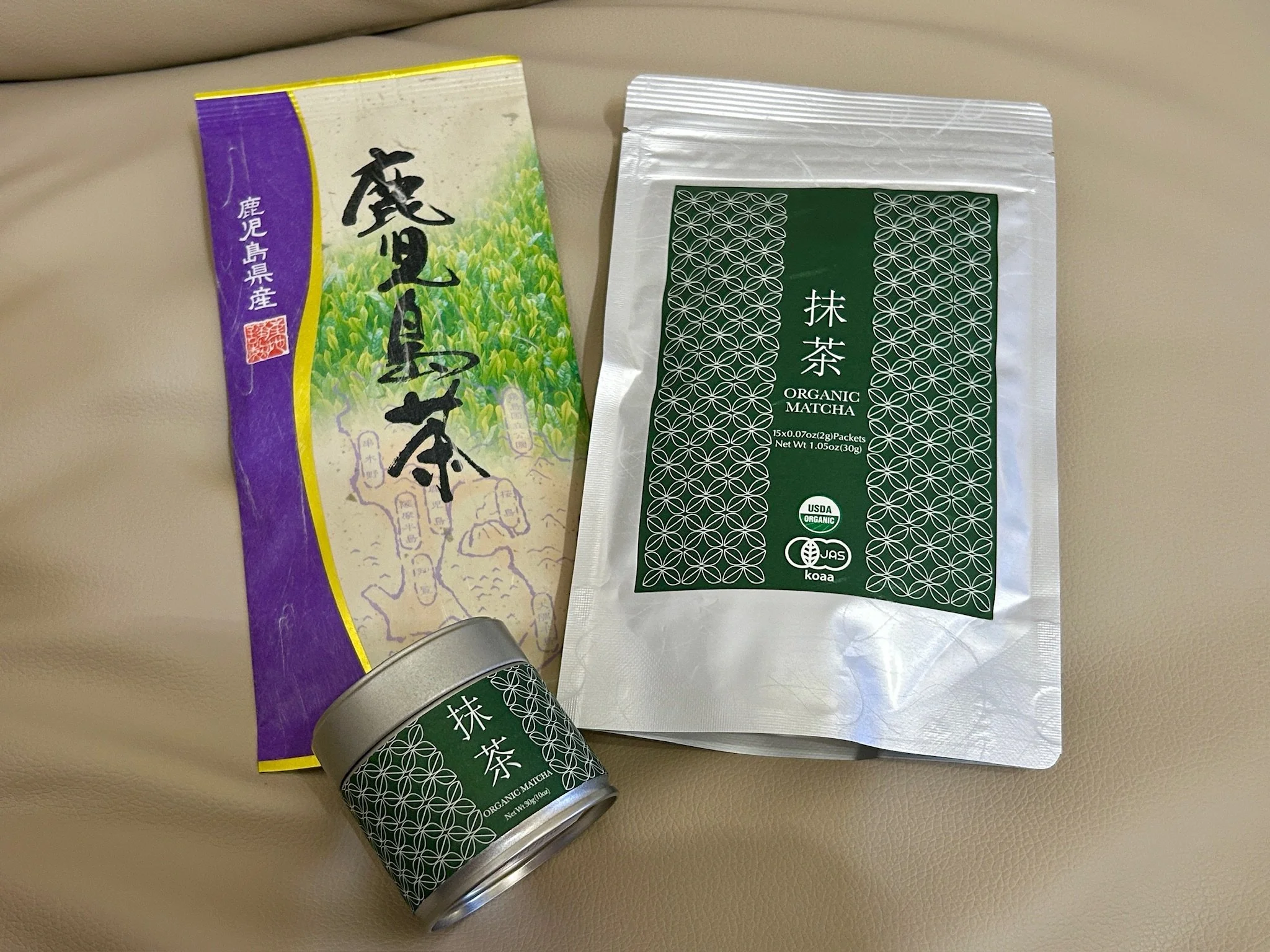
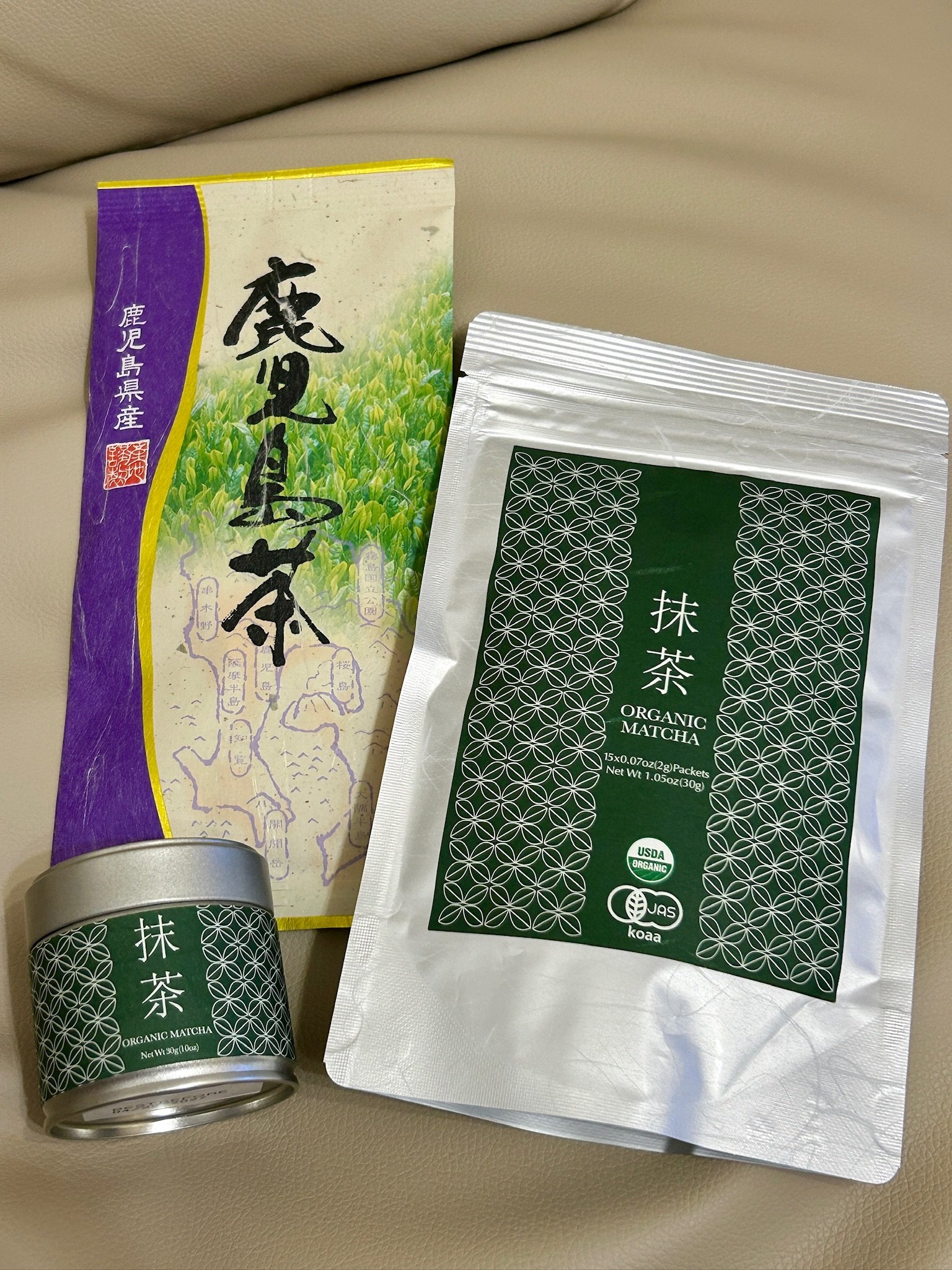
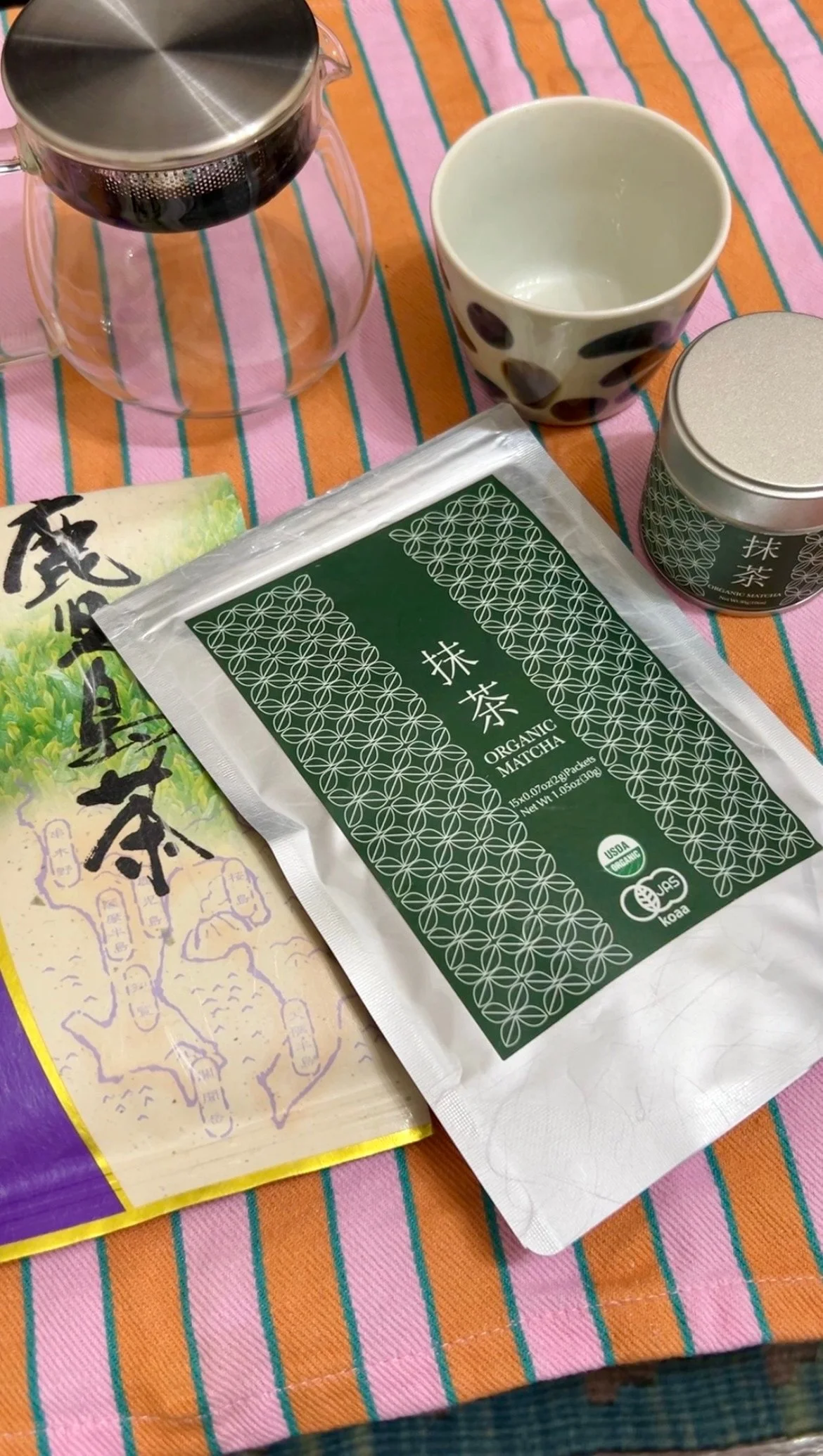
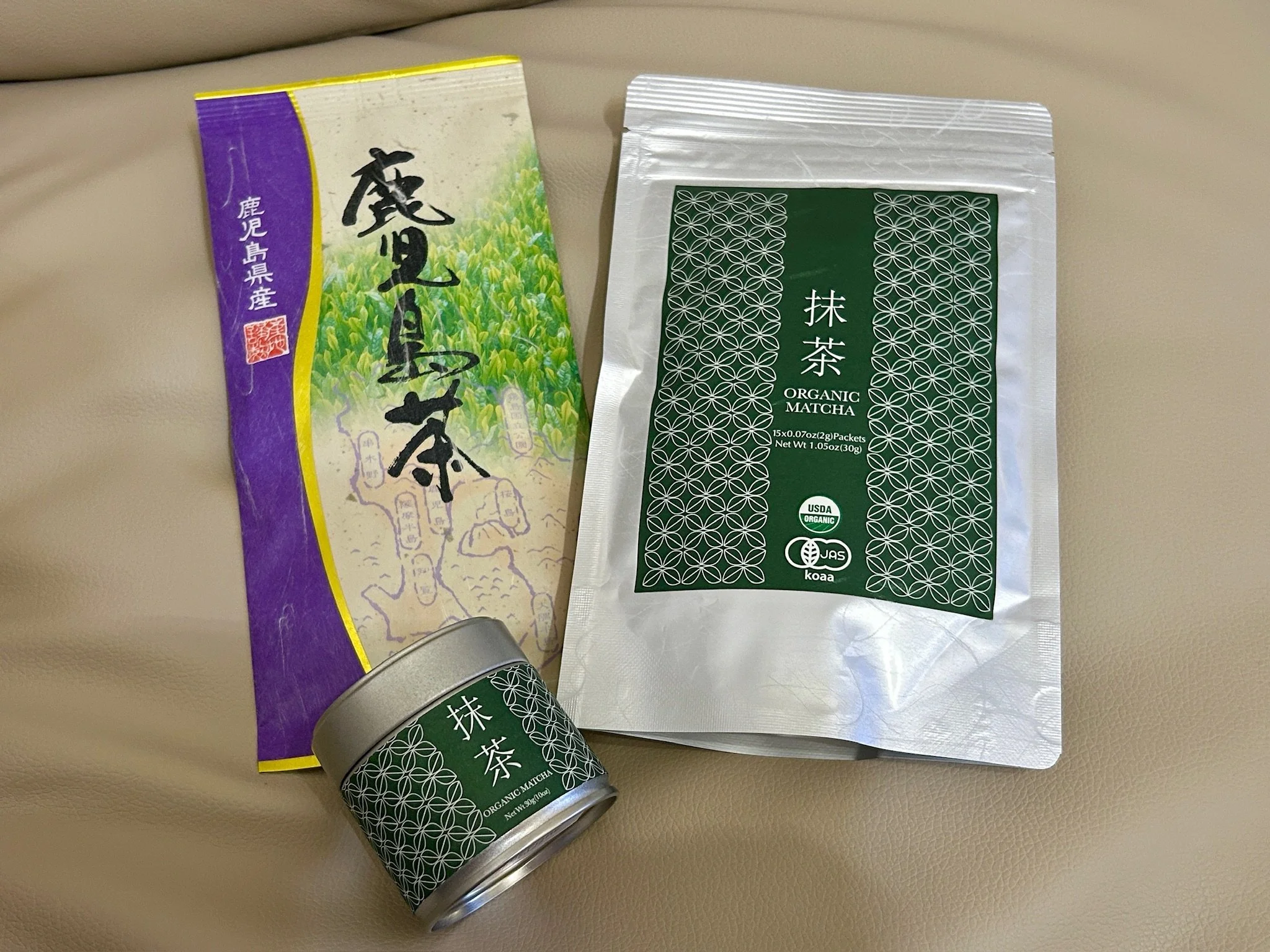
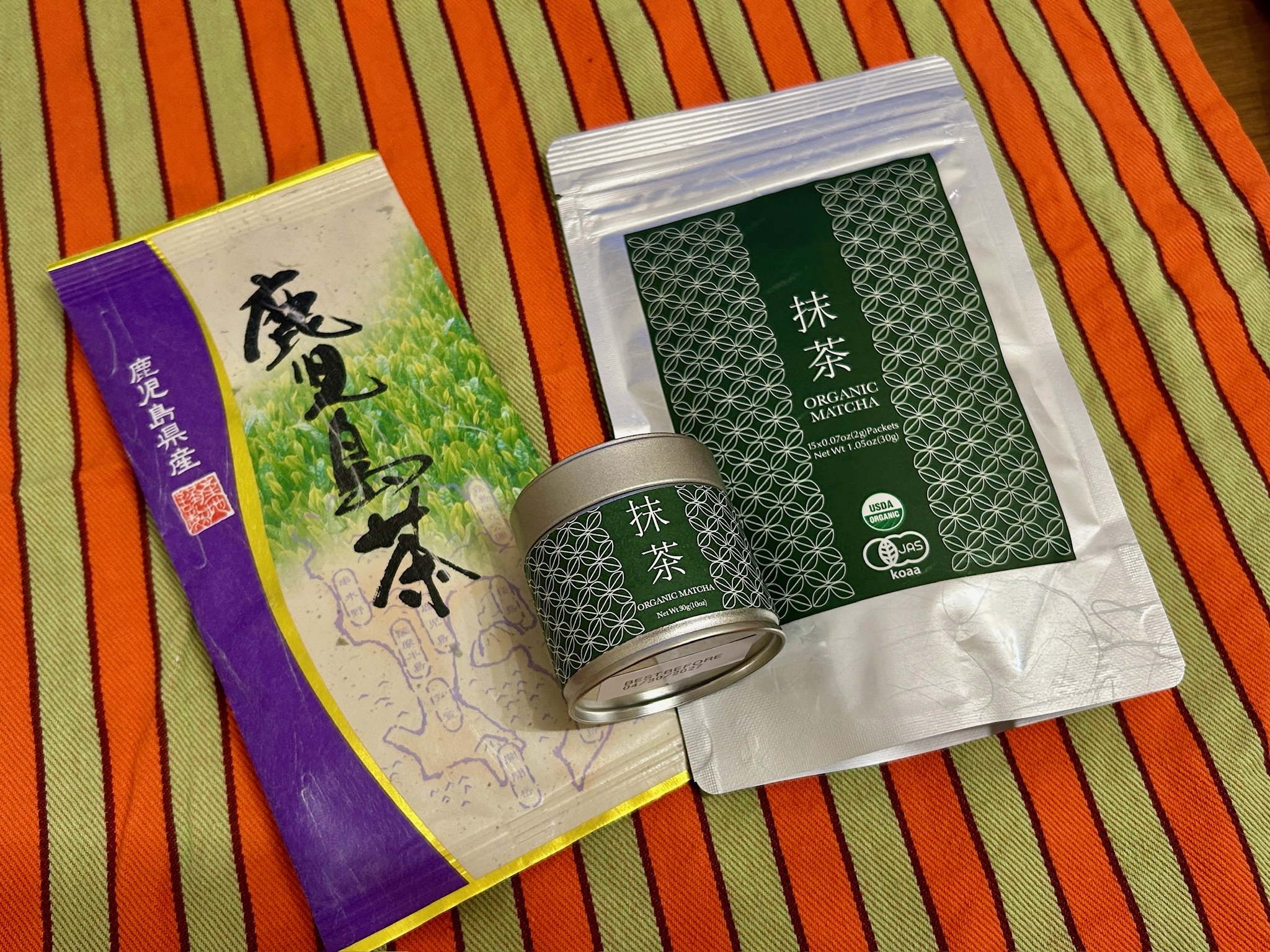
We were gifted three kinds of tea from Kagoshima Tea, which sells green tea in loose leaf, tea bag, and matcha powder form. Their website outlines what is special about Kagoshima when it comes to tea growing:
"The combination of exemplary growing conditions, high-volume harvesting and skilled processing give Kagoshima tea producers comparative advantages over all others in Japan. High quality at reasonable prices have garnered Kagoshima green tea a growing international reputation," it says, going on to explain that even though the tea is high quality, the price is relatively low because the weather allows Kagoshima to produce more tea than other regions:
"Most areas of Japan harvest their tea crop two or three times per year while Kagoshima tea growers harvest four times, and in some years five times if weather conditions are favorable."
They grow a lot of tea, but how good is it? We tasted it to find out.
Organic Excellent Deep Steamed Sencha - Single Estate Origin
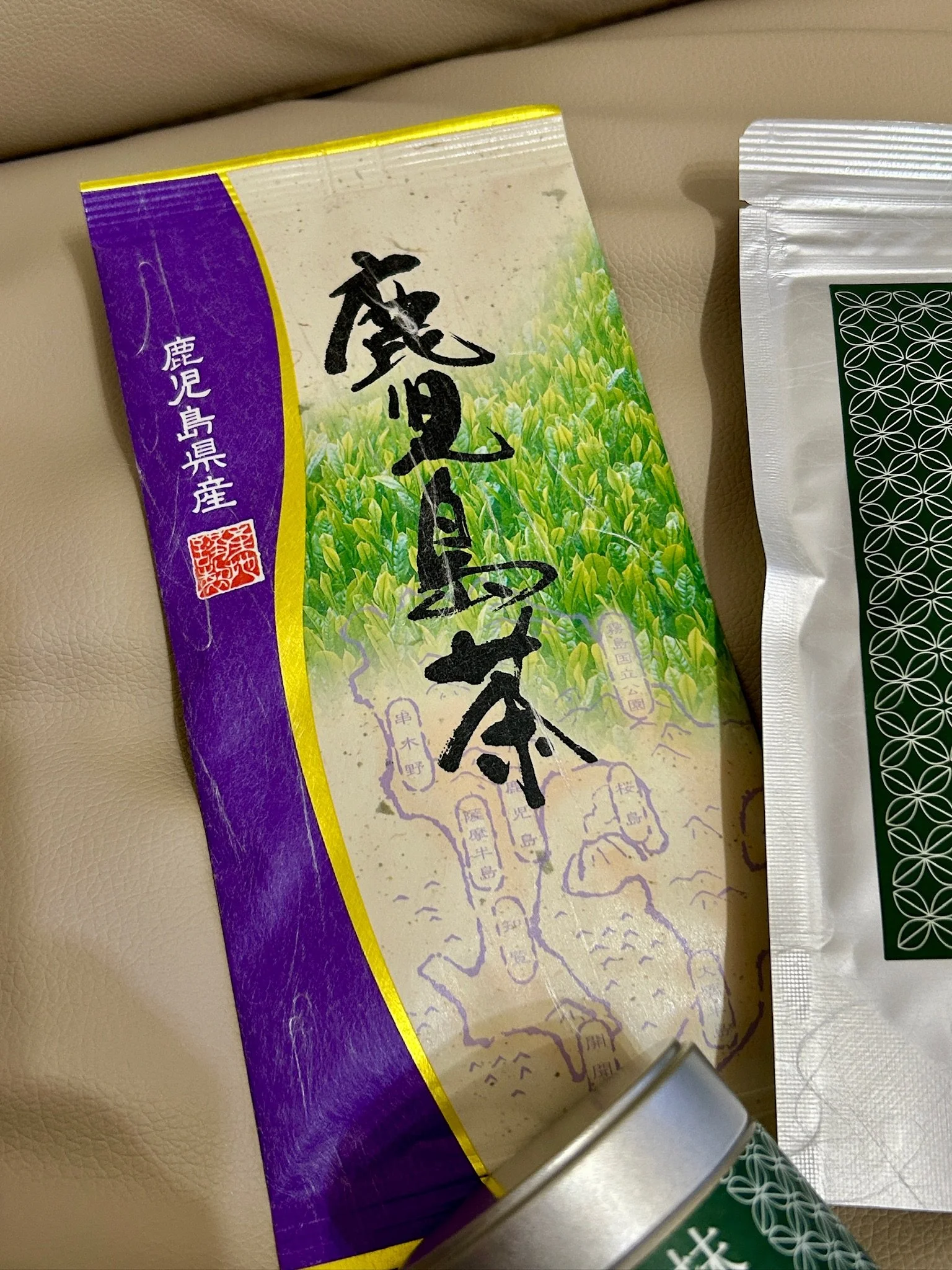
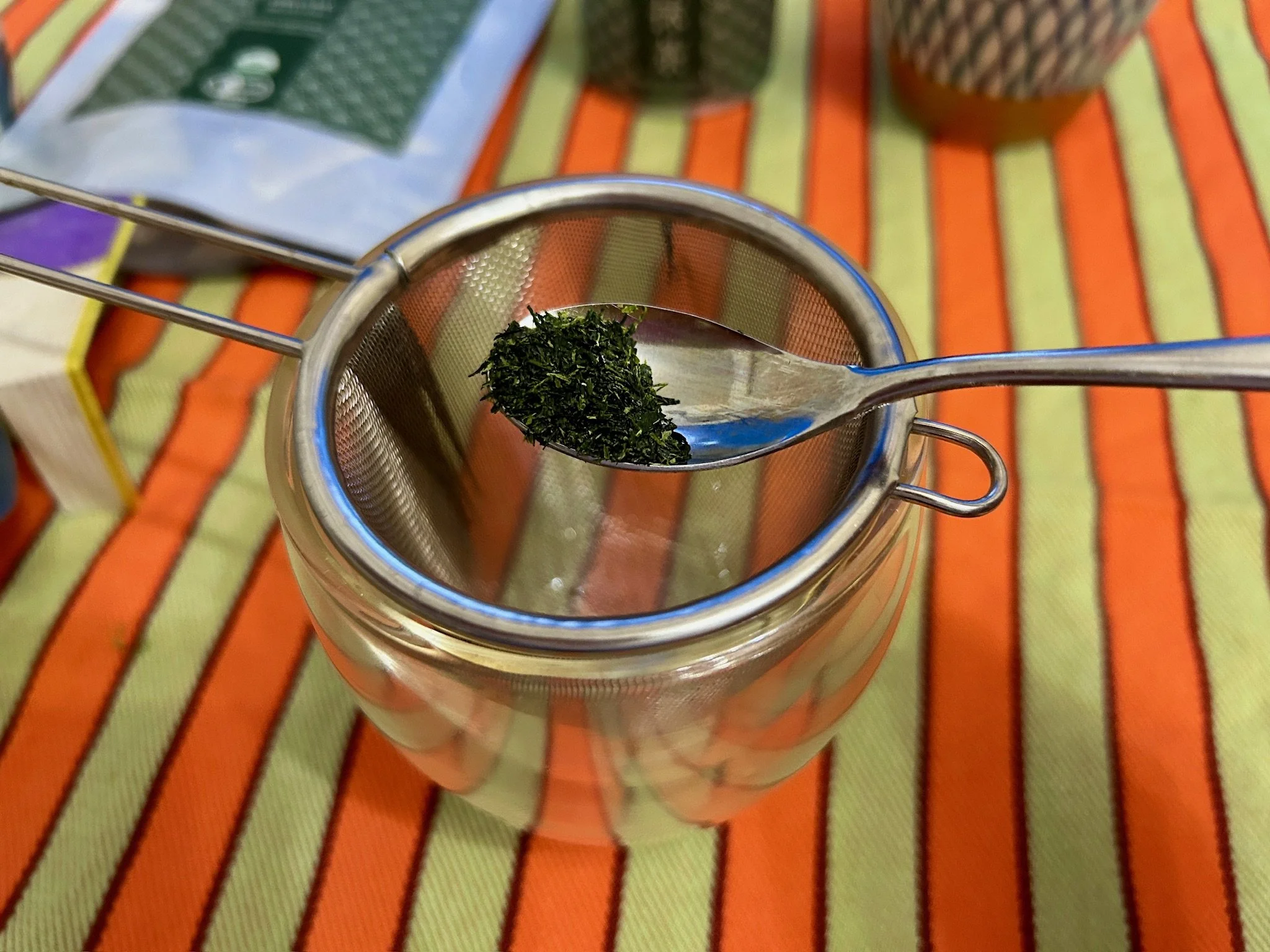
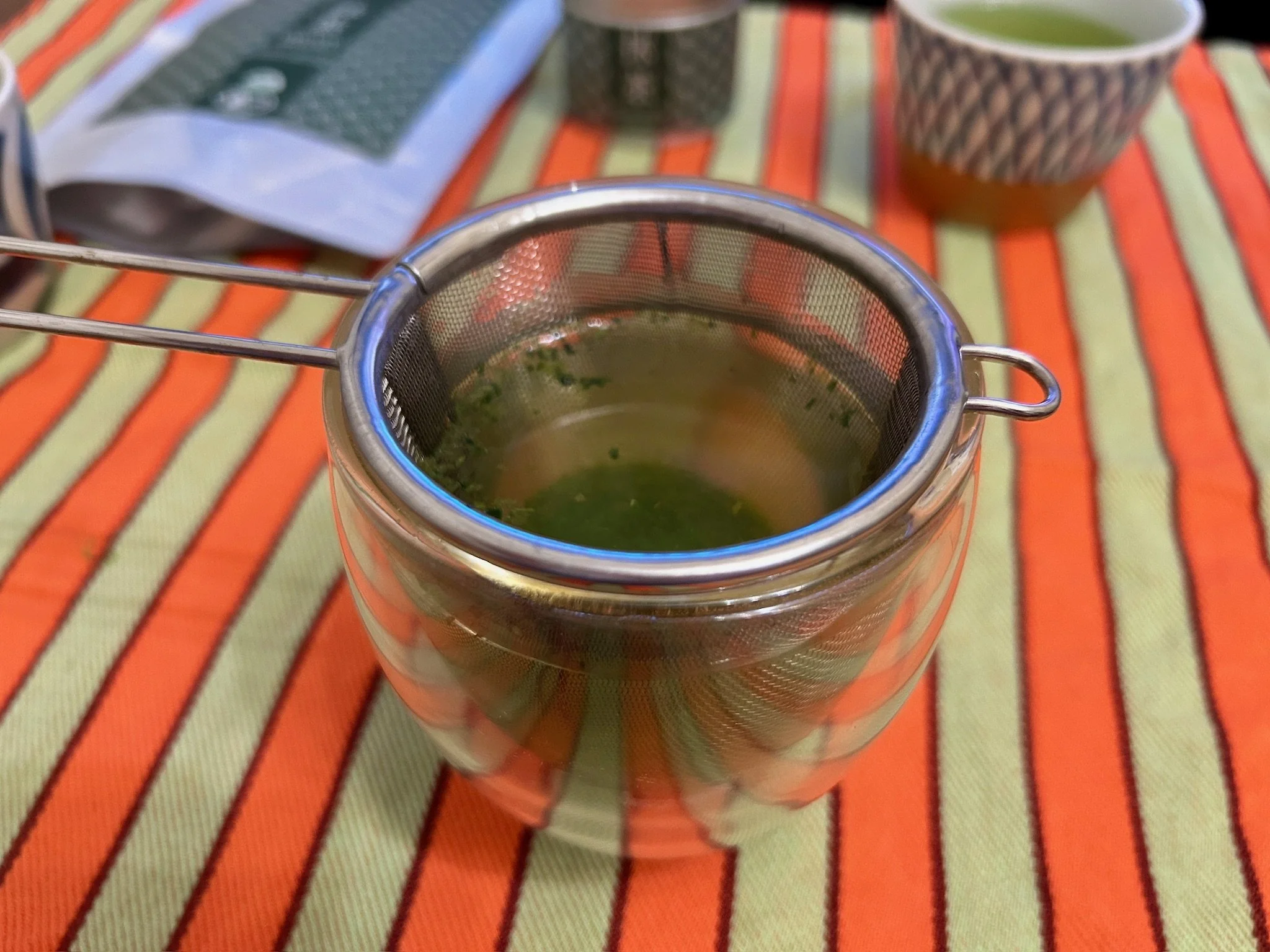
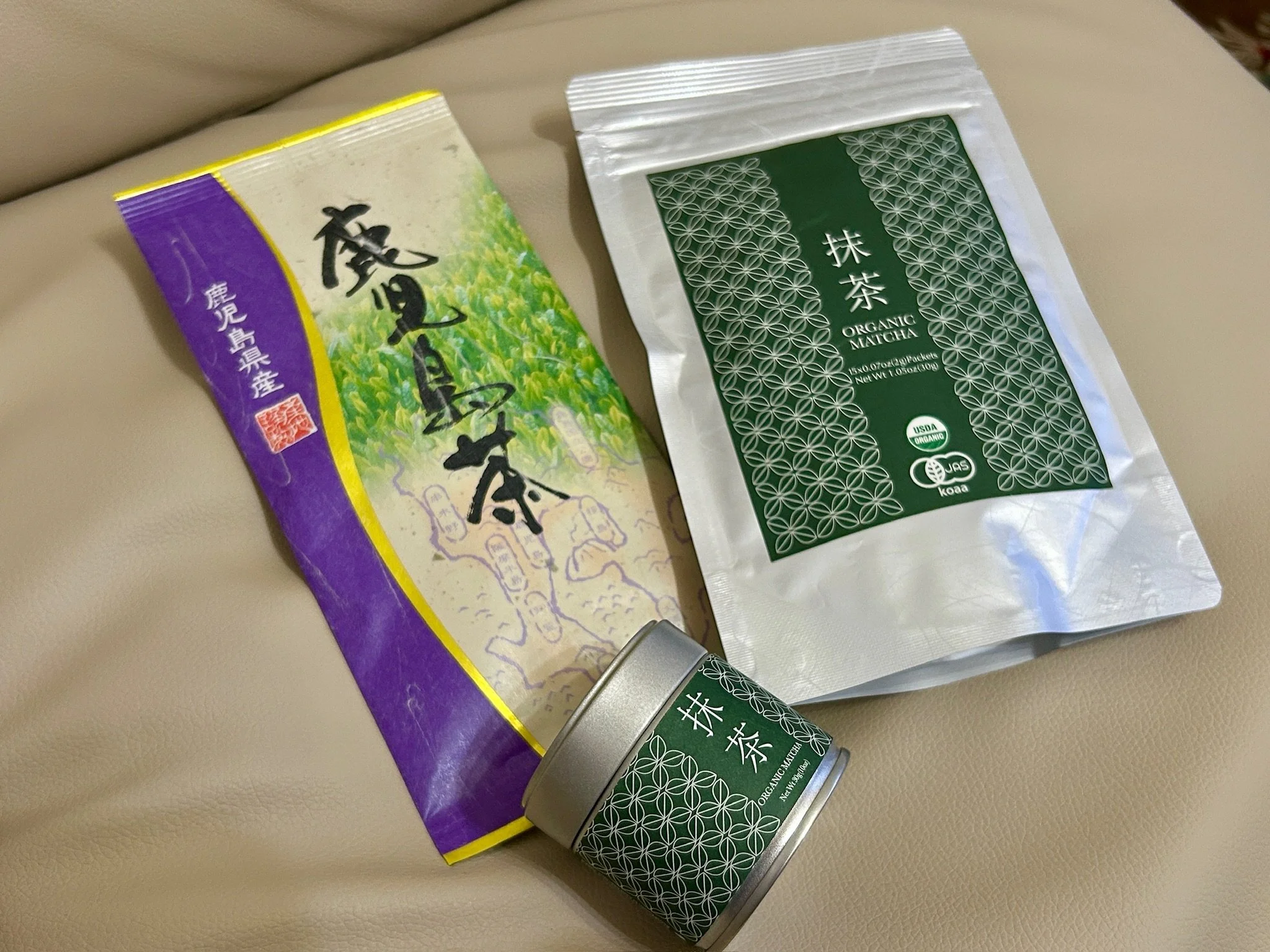
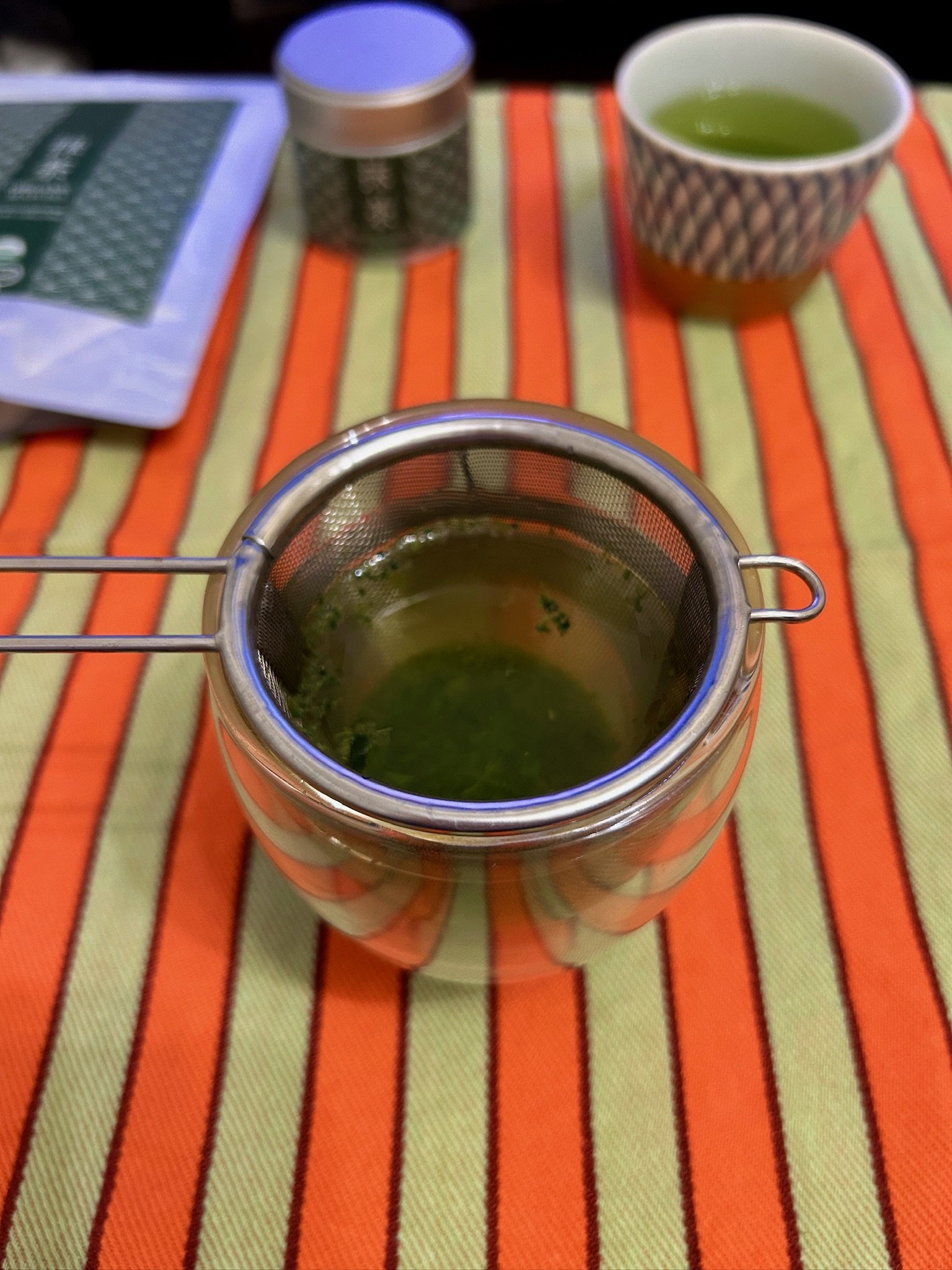
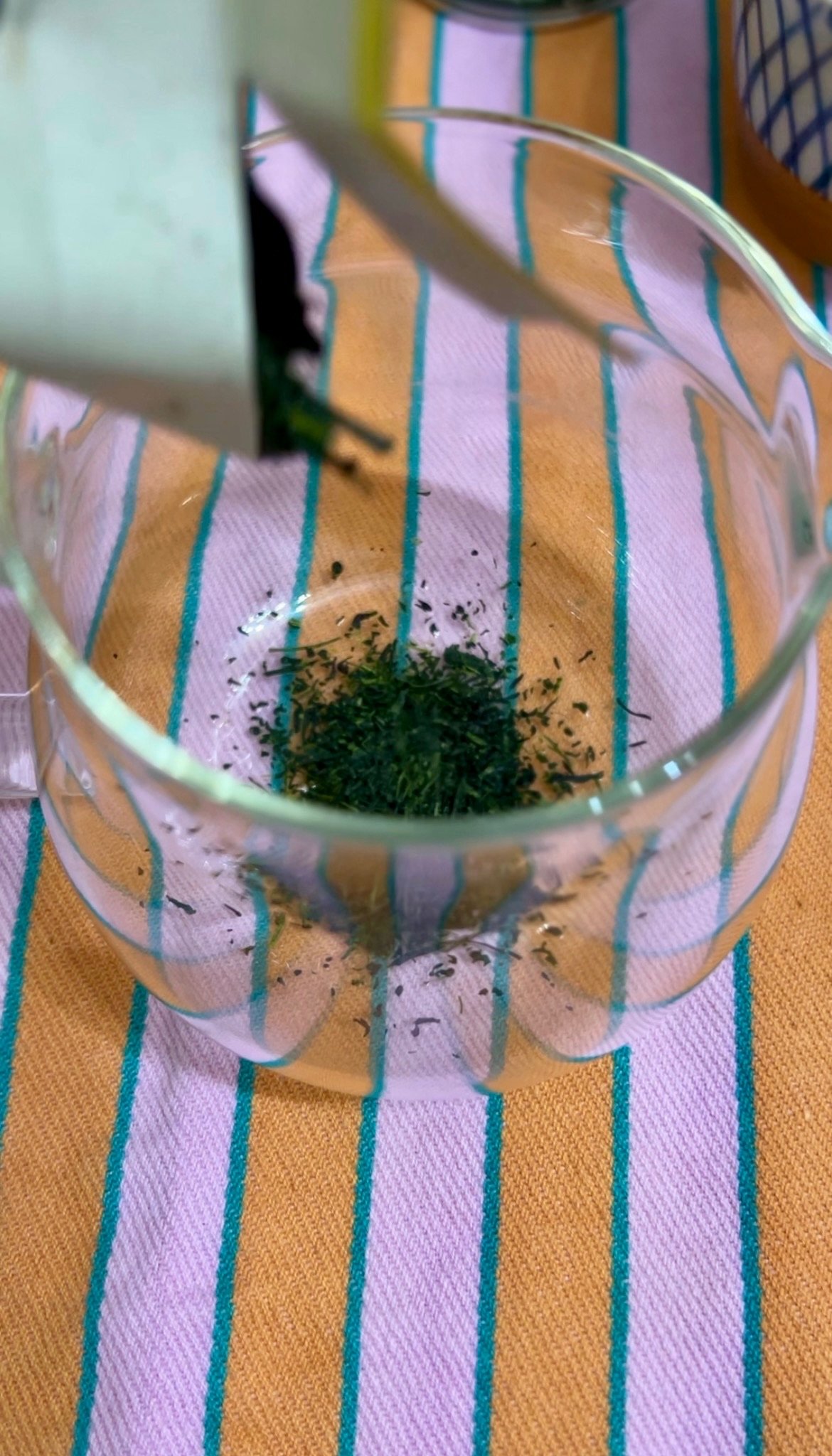
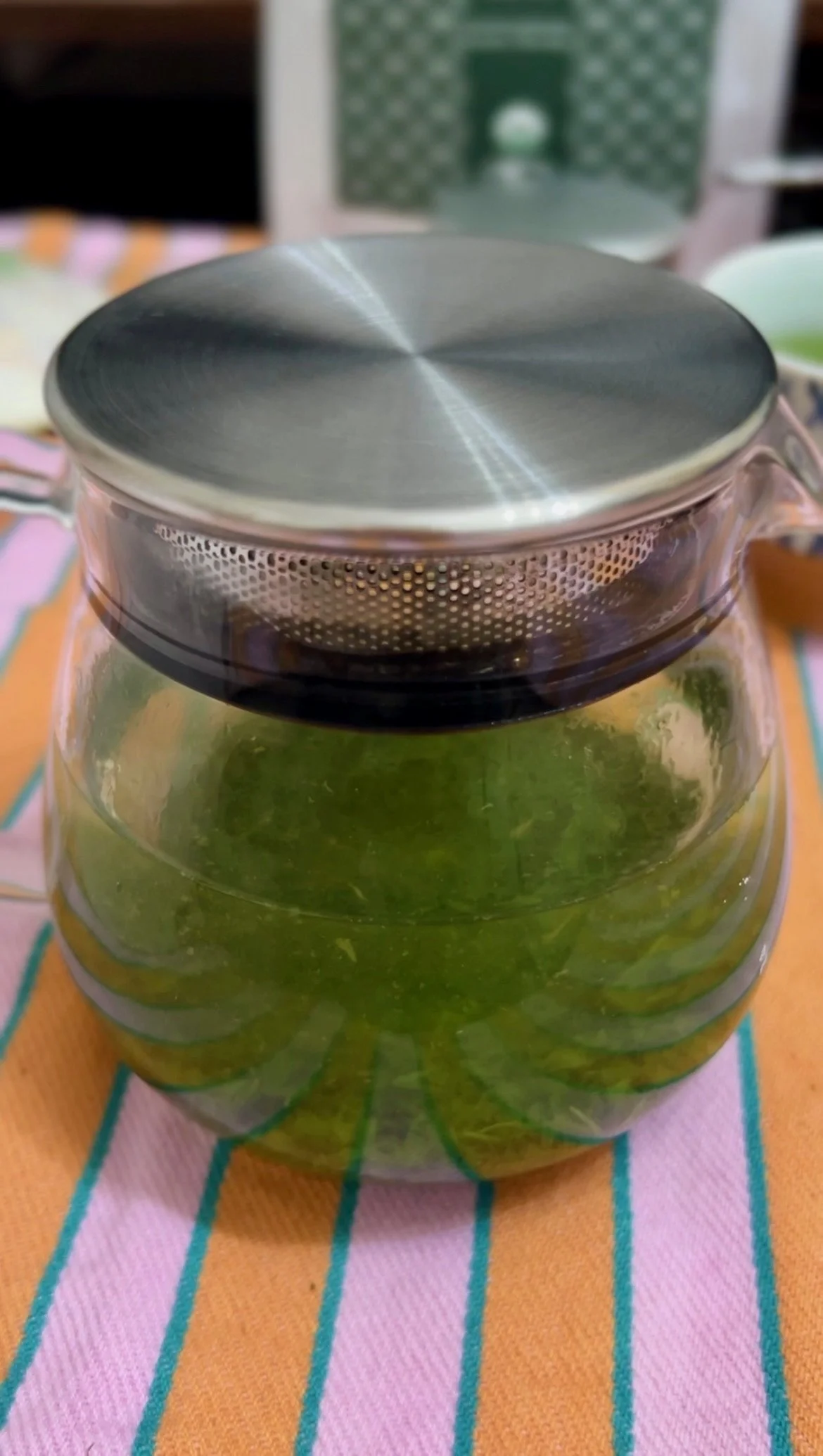
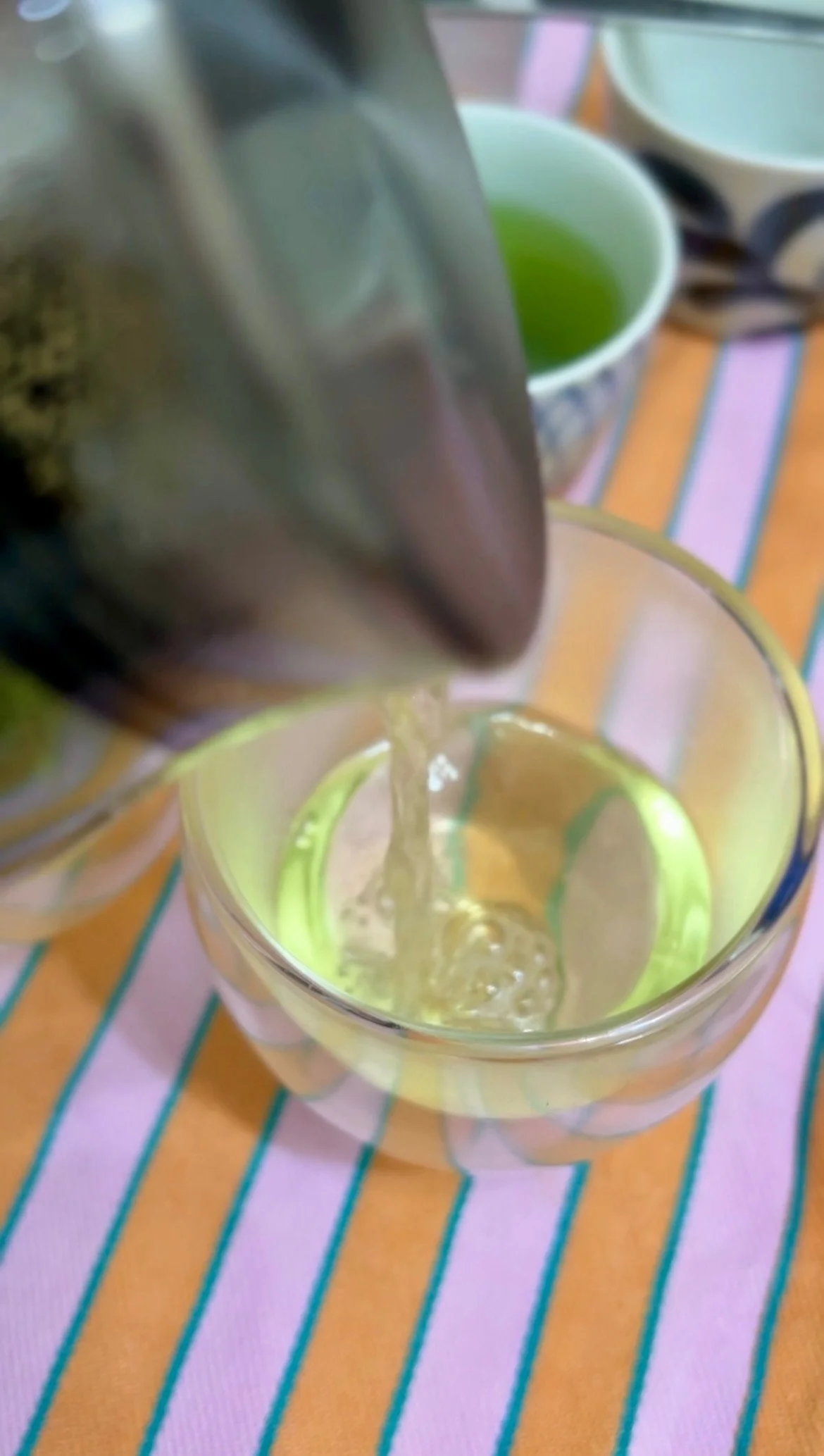
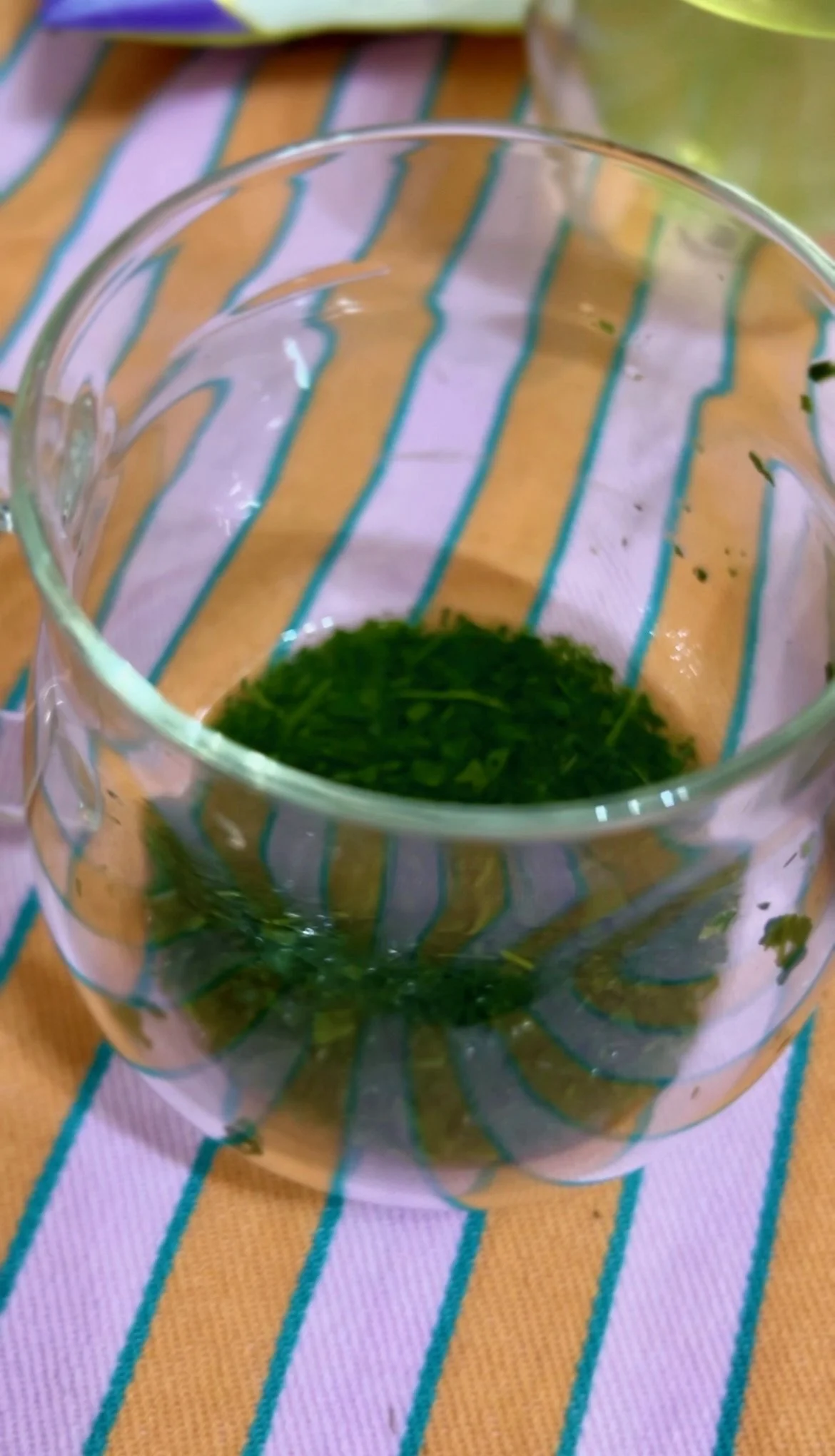
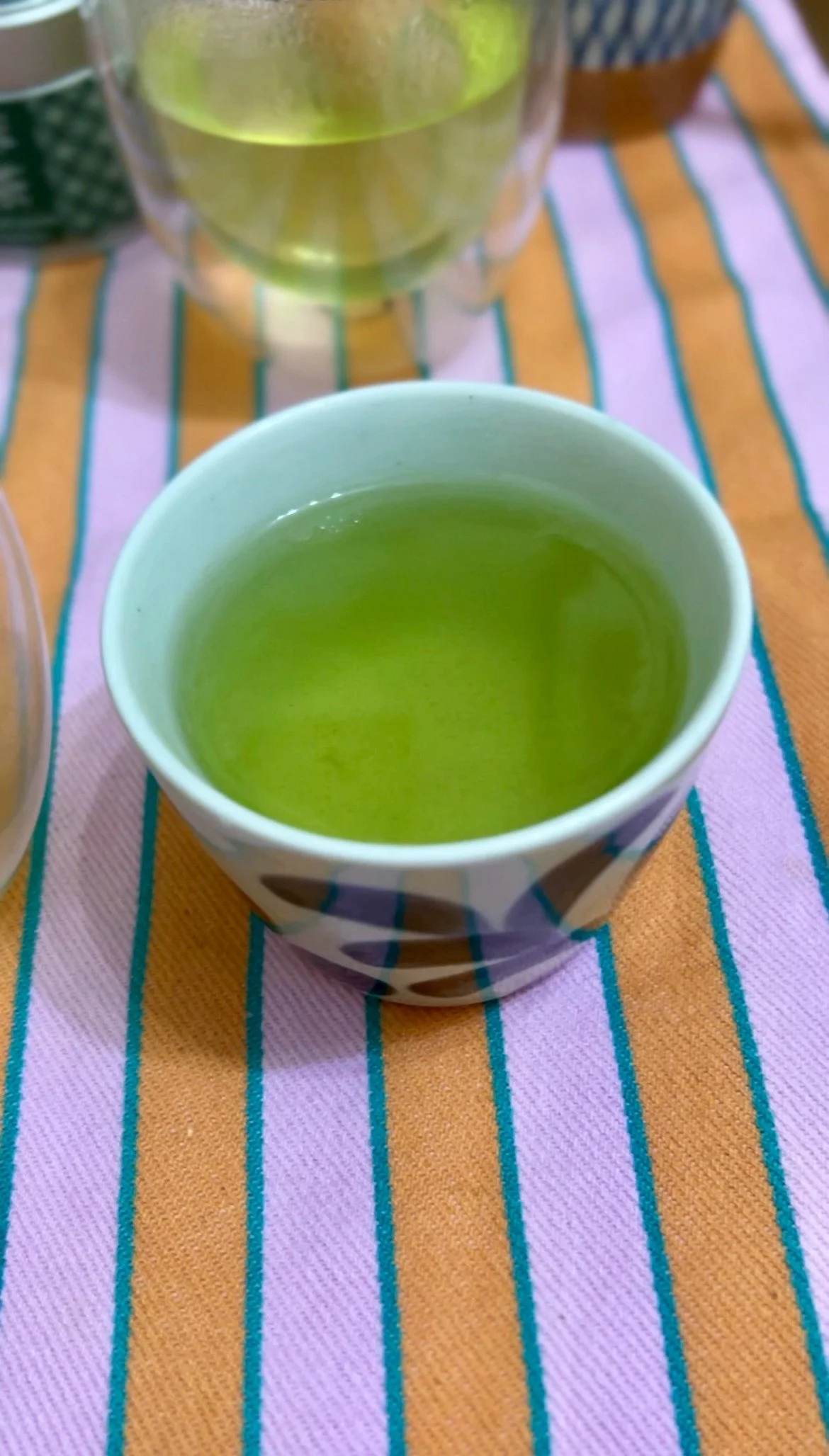
Kagoshima Tea sent us some loose leaf tea, some matcha powder, and some single-serving matcha for people on the go. Loose leaf tea is not easy to make if you’ve never done it before because you need to read carefully to use the right amount and have to have the right setup, which luckily I have because I have Eriko.
This particular tea, the Organic Single Estate Sencha, is ¥3,980 JPY for a 100g bag, and is unique in that they suggest steeping it twice with the same tea, because it will taste different each time:
“During processing deep steamed green tea is steamed approximately one minute longer than regular Japanese green tea. This sounds like a simple procedure, but actually, it takes great skill and knowledge, such that most tea companies in Japan are unable to do it. Deep steaming causes tea leaves to lose their "leaf" shape and become separated. That makes this tea appear more powdery than others. When brewed, it often results in the thick-rich and dark green color liquid. The wet tea leaves may look mushy. Please do not be deceived by this appearance.”
They also say it works well over ice, which I personally think isn’t true of a lot of green teas. I often have trouble with green tea: I know it has health benefits, so I’ve forced myself to drink it a lot for weight loss, but I can’t say I’ve ever had a green tea that tasted much different from any other. That’s why I was intrigued by the two-taste strategy of this one:
“A light astringency slightly increases as the liquid cools. The second steeping produces a little darker liquid that tastes much the same as the first but is slightly sweeter. This organic green tea from the Chiran area richly deserves to be tested by one and all as a true example of Japanese green tea at its finest.”
As a non-gourmet in the world of green tea, I didn’t anticipate being able to tell the difference, but I was definitely able to taste it on first drink. The liquid does not look pretty, almost a dull gray, but the taste was more than the standard green tea taste. I felt like I was actually imbibing something that came from leaves. It was fresh, and went down smooth.
I asked Eriko to send me her thoughts on the tea and how it was different in the second steep. She wrote:
““1st take
light and smooth, fresh taste
2nd take
more deep and little good bitterness I like”
I guess I’m expected to elaborate on that. It was definitely smooth the first time, and didn’t have that standard boring green tea smell, but the second steep really took the edge off and left it light and refreshing. It’s a real bargain to get a tea that you can steep twice, so this actually isn’t as expensive as it appears to be. If you like green tea, you’ll probably like this, but more importantly, if you’ve been told to drink green tea for its health benefits but don’t care for it, this might be exactly what you’re looking for.
Drinking the second steep right now, I feel like I’m getting the uplift and digestive help of green tea without the smell. I don’t know if I would drink this all day like I do with peppermint tea, but I’d rather have it than normal green tea for sure. Worth spending money on, since you’re actually getting double the tea, and more depending on how you portion out the loose leafs. Just get yourself a setup to brew loose leaf tea and you’ll be golden.
Organic Kagoshima Ceremonial Matcha
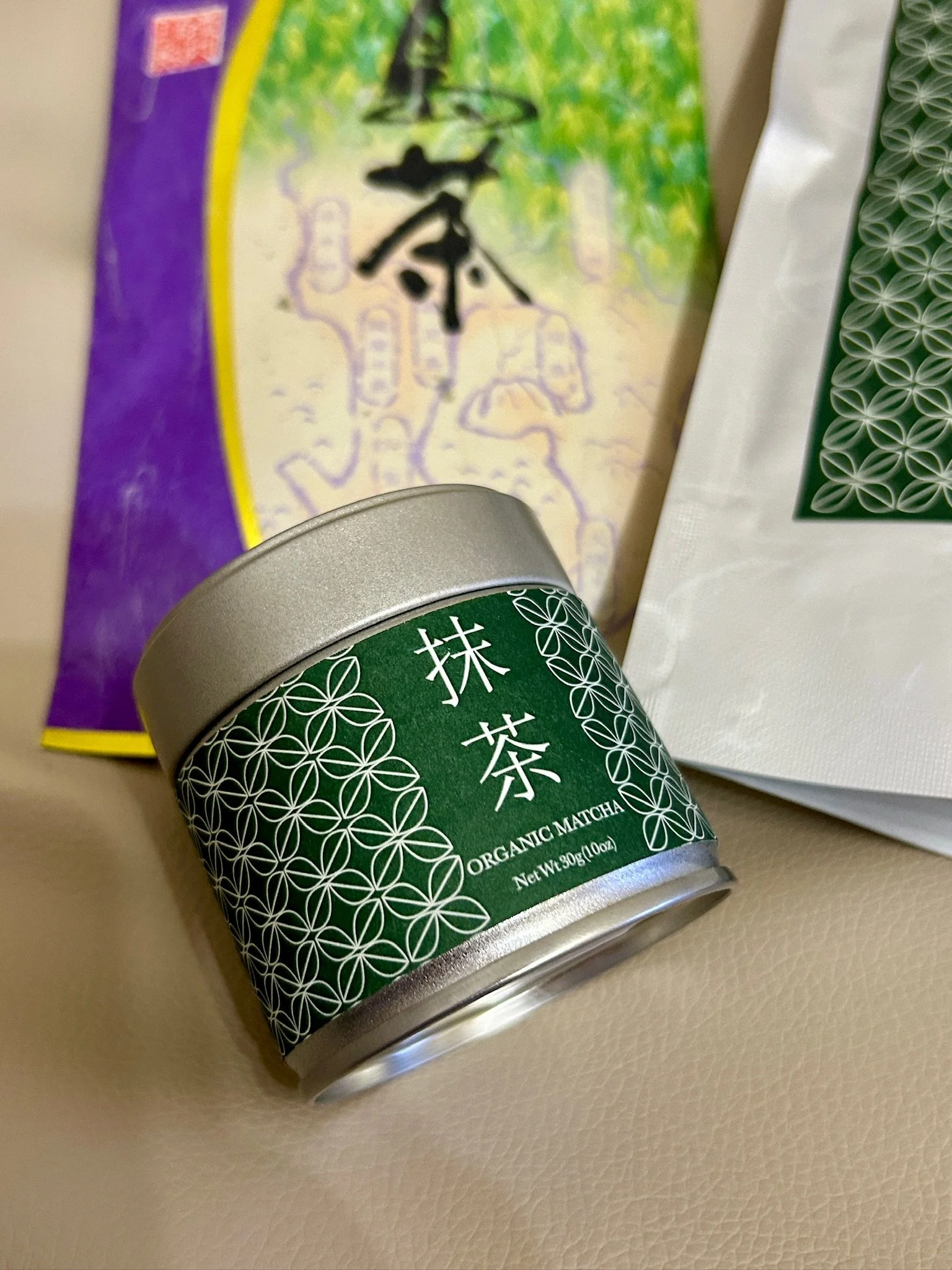
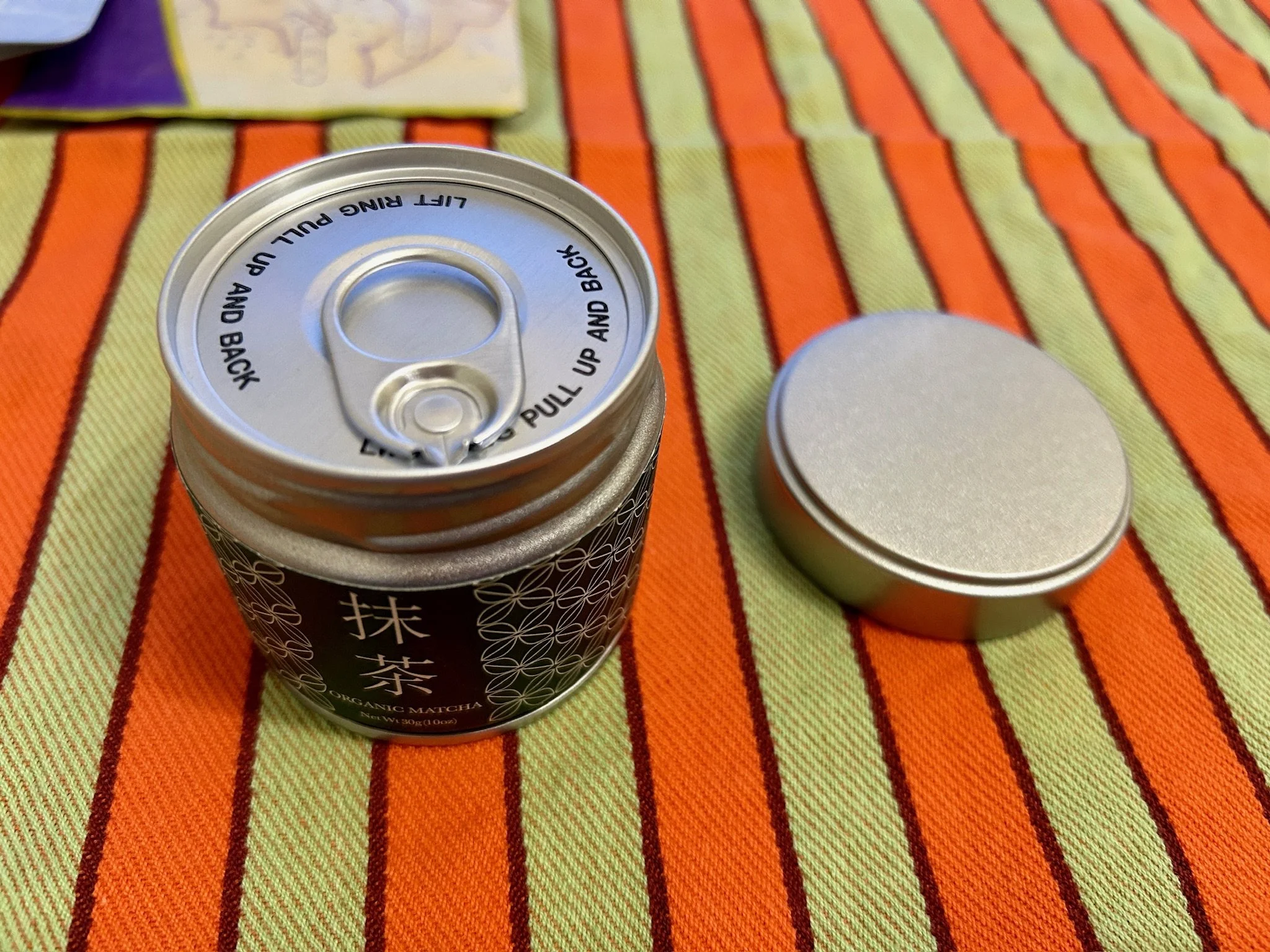
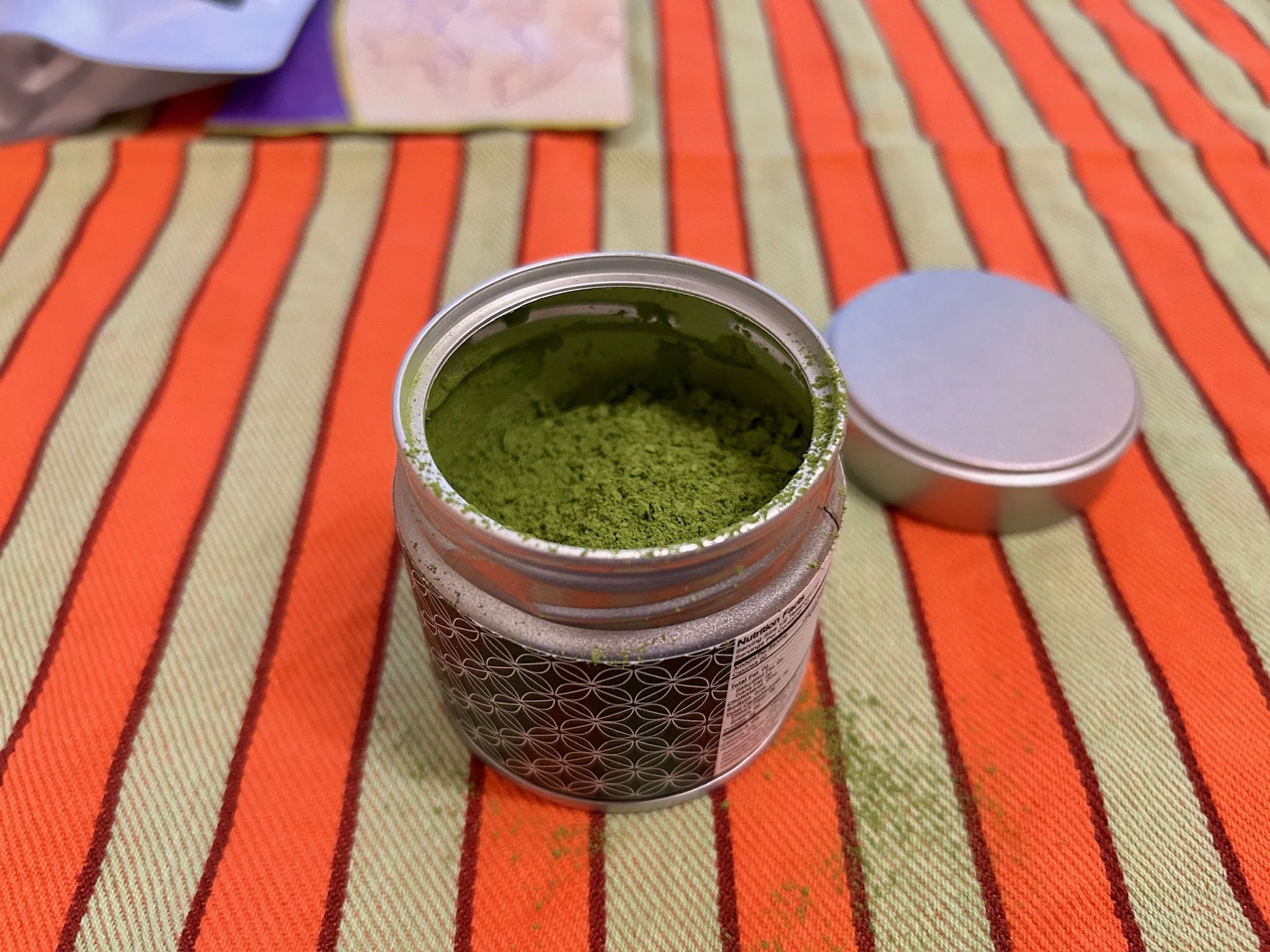
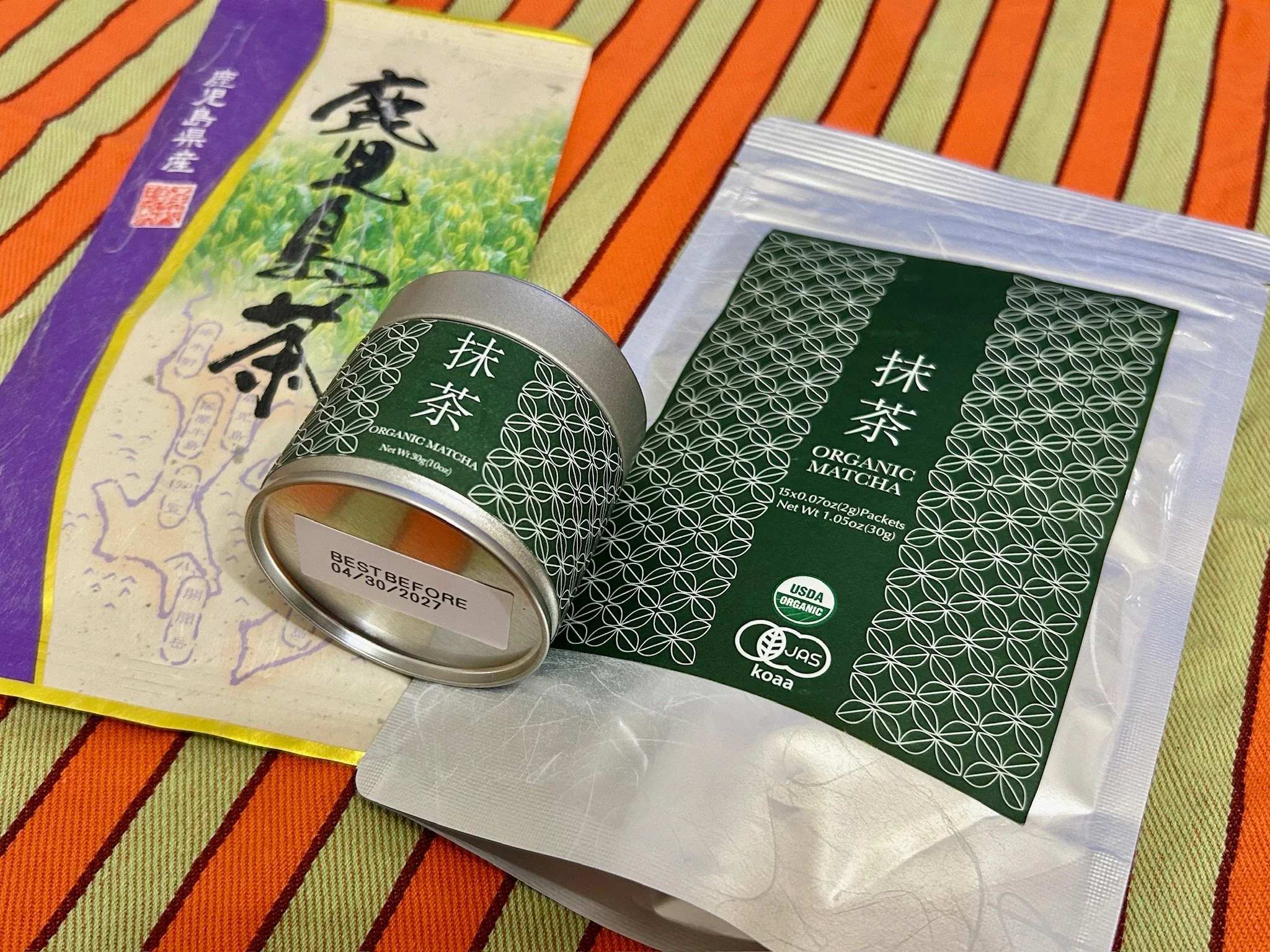
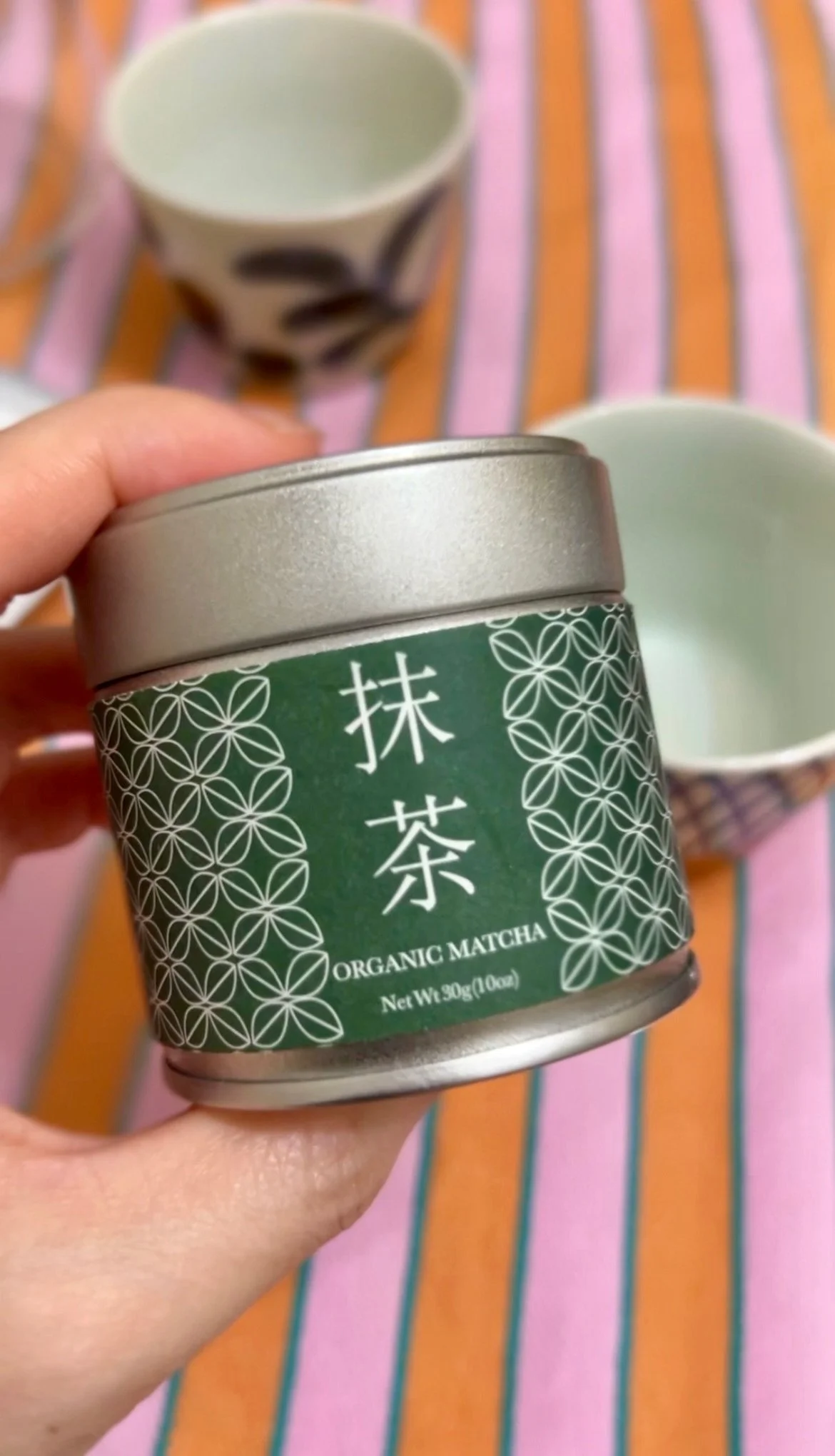
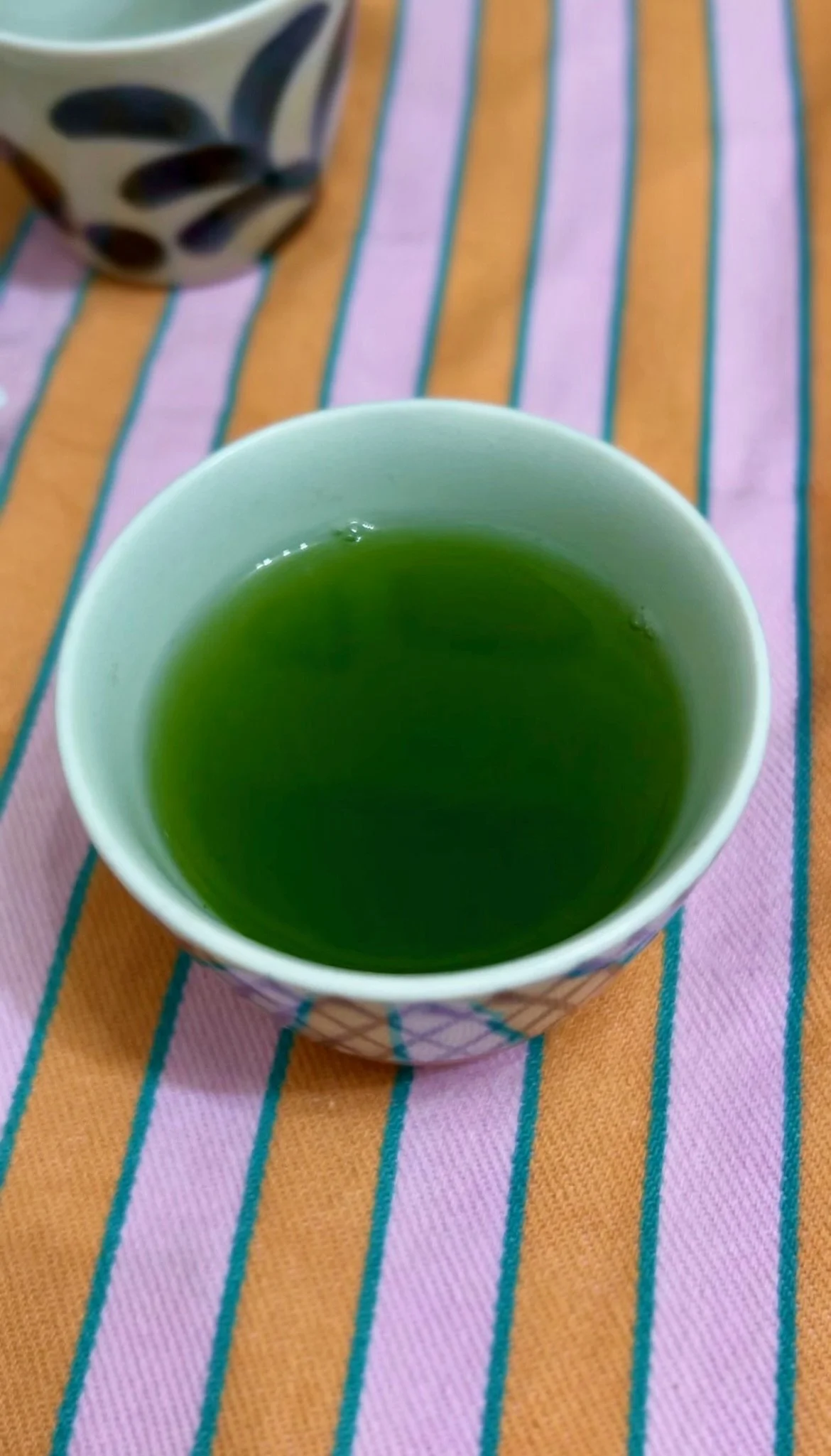
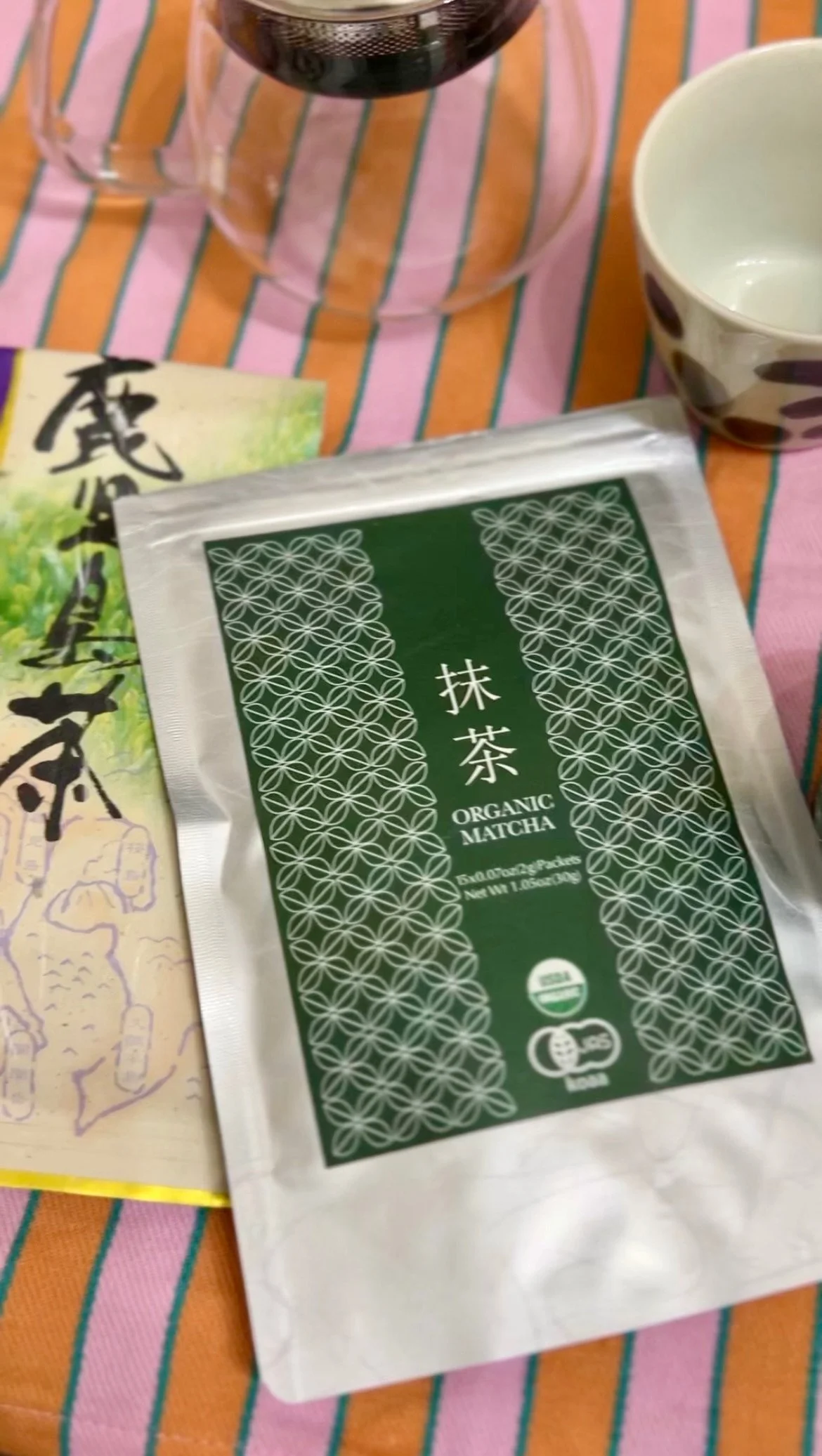
It’s possible to get both their Sencha and Houjicha tea in powder form, but we were gifted a special variety: the limited-edition Ceremonial Matcha, which was a bright green powder that came in a small tin, and costs ¥6,240 JPY for 30g, which is 15-30 servings, depending on how strong you like your matcha. We didn’t go crazy in terms of how much powder we used, but if you want a real kick, you can do you and figure out the exact amount that fits your style.
It’s possible to order the tencha form of this tea, quite pricey in leaf form, and the matcha isn’t the cheapest either. I gather from my own extensive knowledge that the price is due to the organic growing in high-altitude conditions, which produces a tea that is sweet and slightly grassy-tasting. Or so people say.
I don’t think it tasted a ton like grass, which was good for me. Just like the loose leaf tea, it was smooth, and tasted more like actual tea than most powders you’ll encounter. But what does Eriko say about it?
“not bitter feel sweetness but not sugary sweetness. Nature sweetness. very delicious matcha! ”
If you love matcha, you may find that this tastes like an elevated version. For us, we really like this, but we’re more green tea people than matcha people. Eriko was definitely excited about it because she makes powdered tea quite a bit and found this to have a more genuine taste than the artificial matcha you sometimes get at coffee shops.
The difference with the loose leaf tea is 1) we drink green tea every day, so we can taste the difference, and 2) it’s so different from normal green-tea-in-a-bag that I think anyone would be able to see what’s so fancy about it. If you’re thinking of trying one, I guess I’d recommend that one, but matcha people know they’re matcha people and have already clicked to buy some.
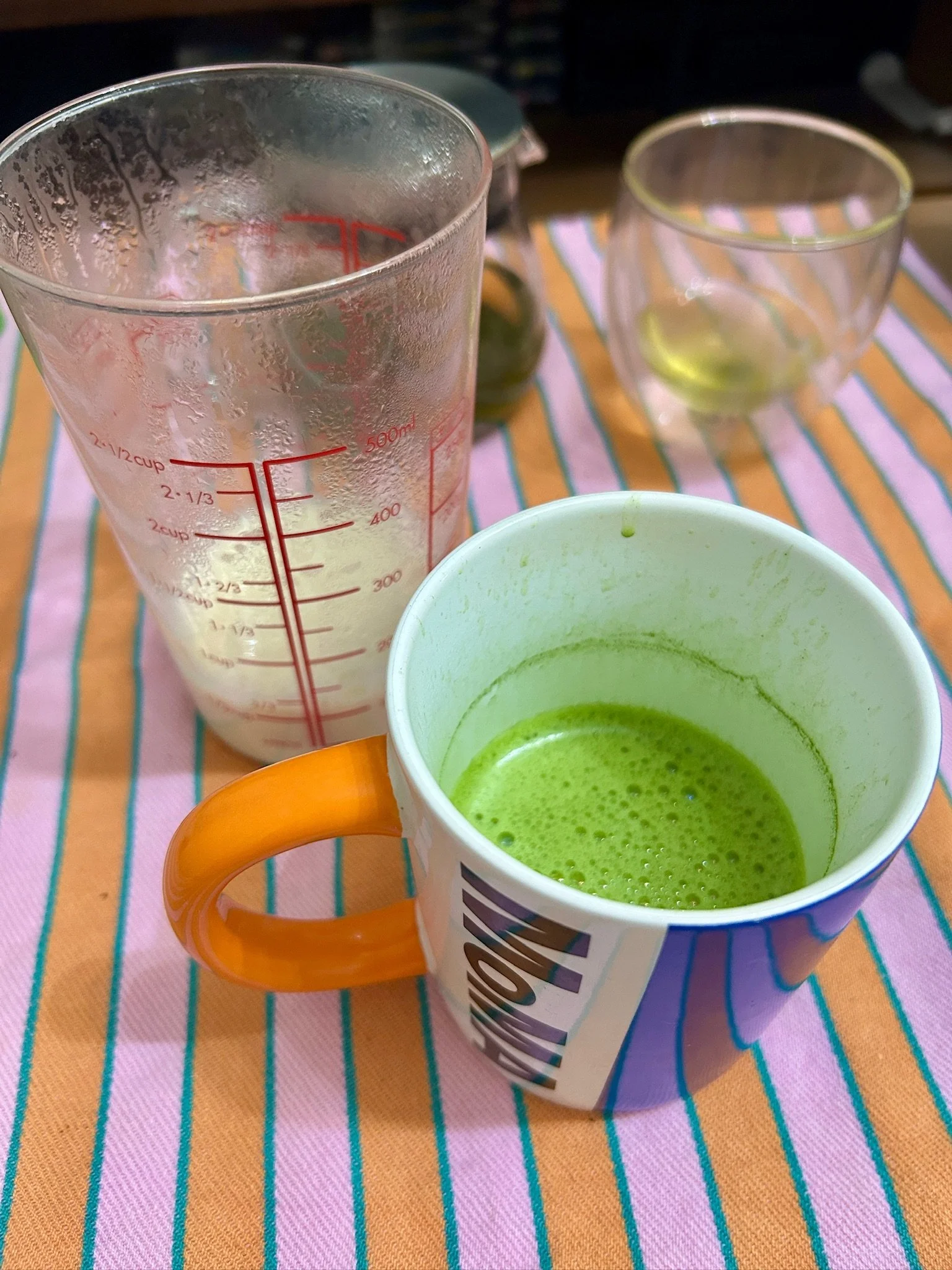
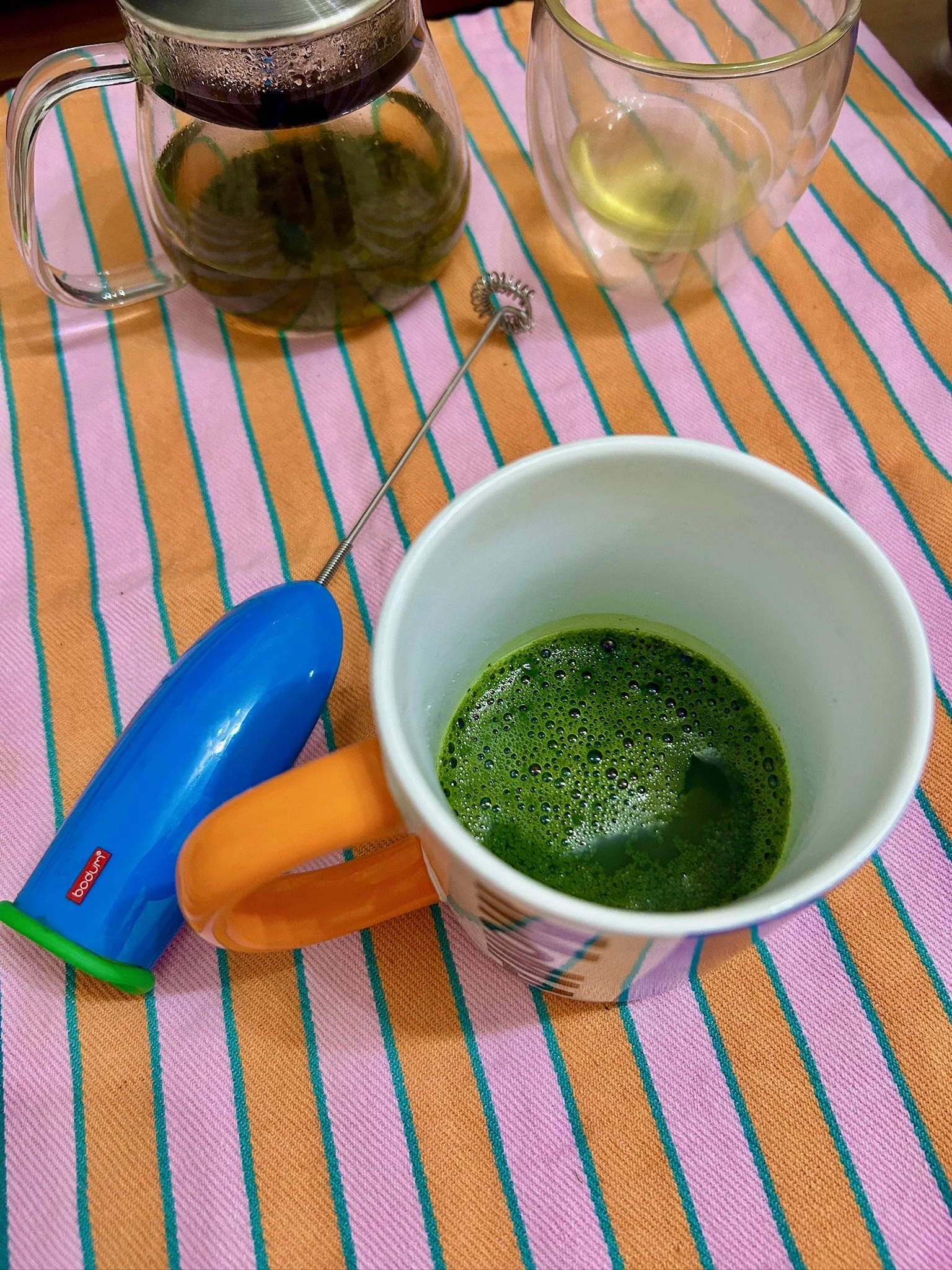
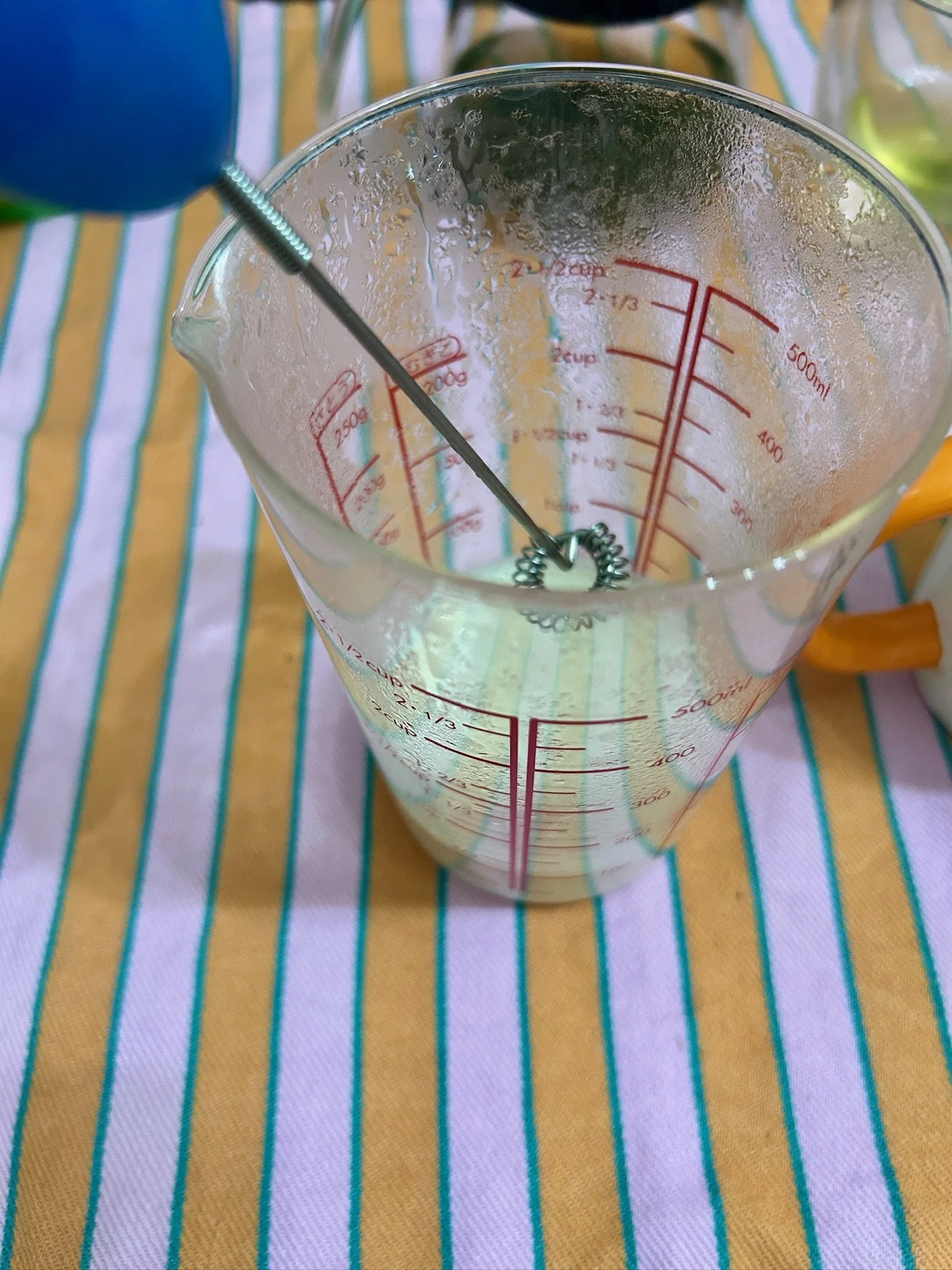
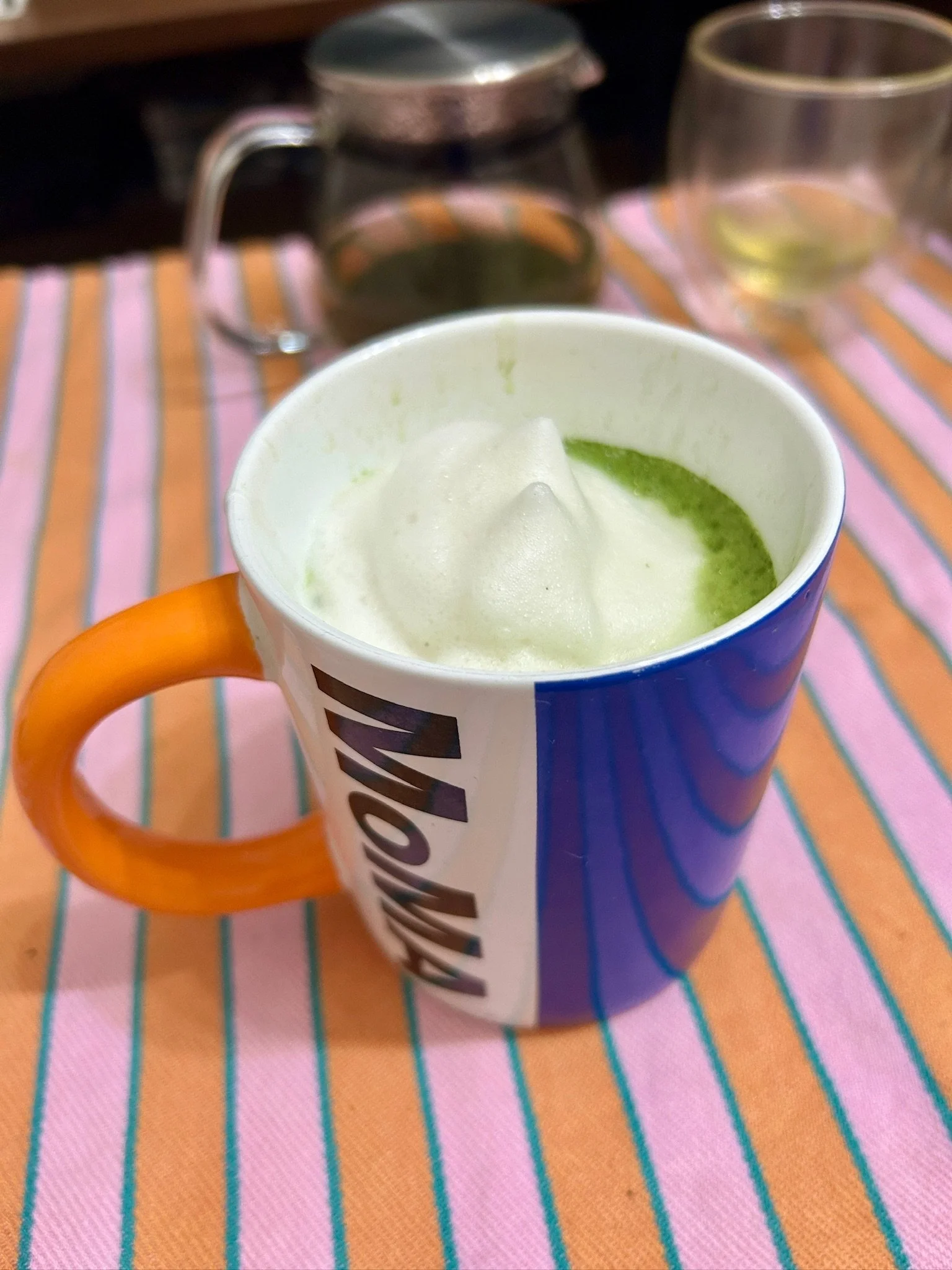
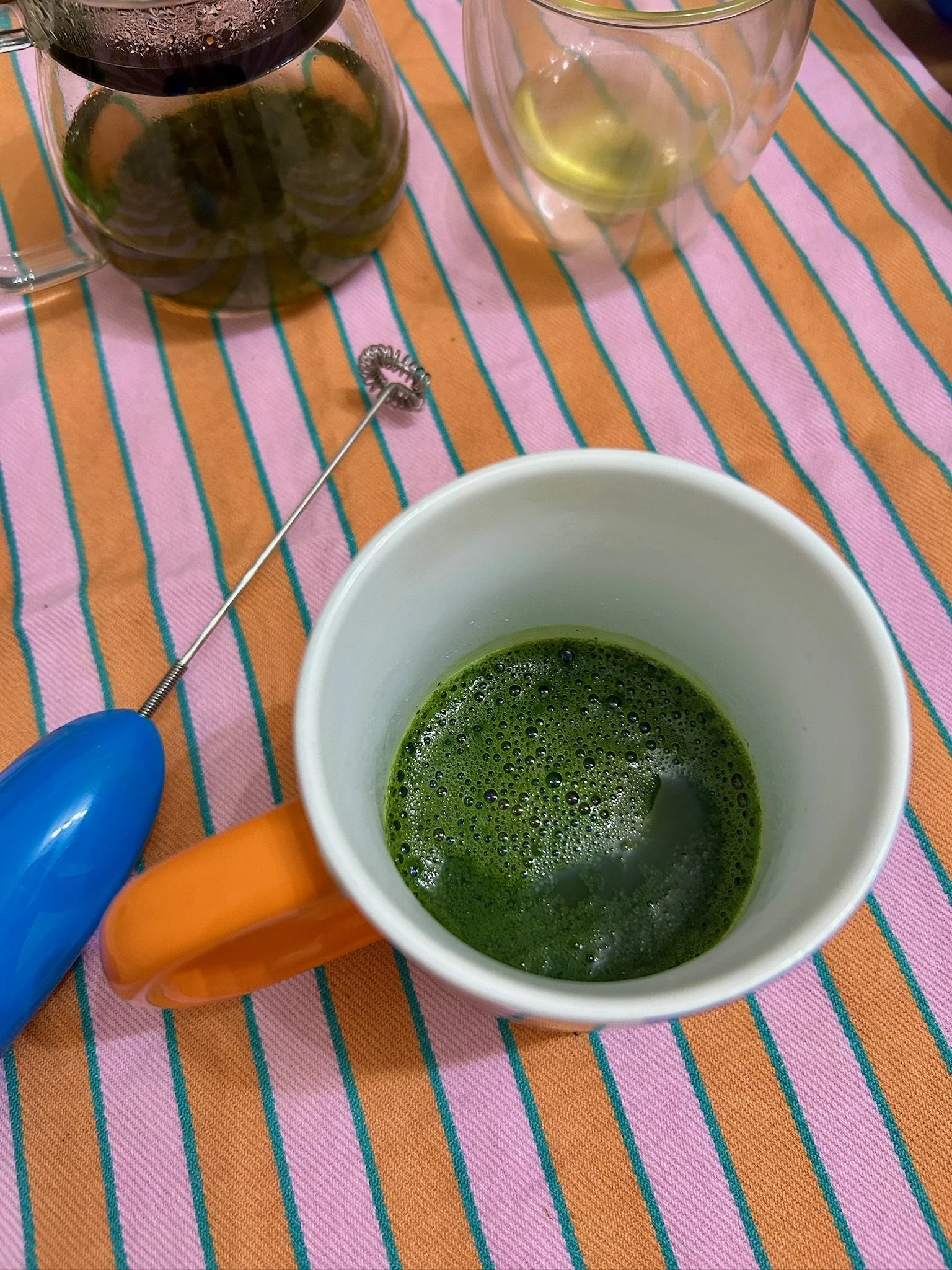
Eriko also made a matcha latte using soy milk. She thought it was absolutely incredible, so maybe if you’re a matcha latte person, this is for you. I personally preferred the matcha as tea, but I don’t get paid to think, so I’ll just recommend what she tells me to.
Organic Kagoshima Ceremonial Matcha - On-the-Go Single-Serve Stick
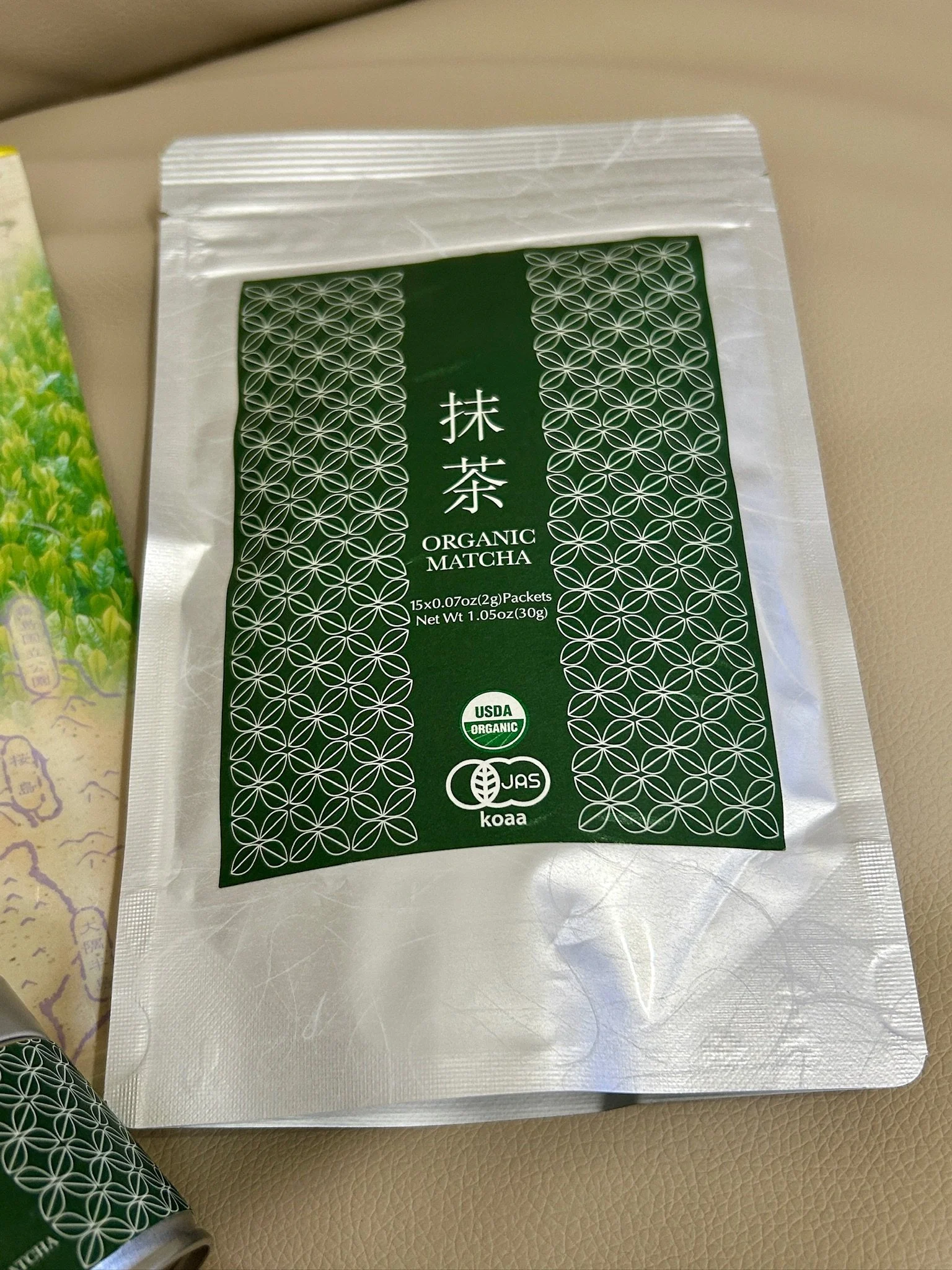
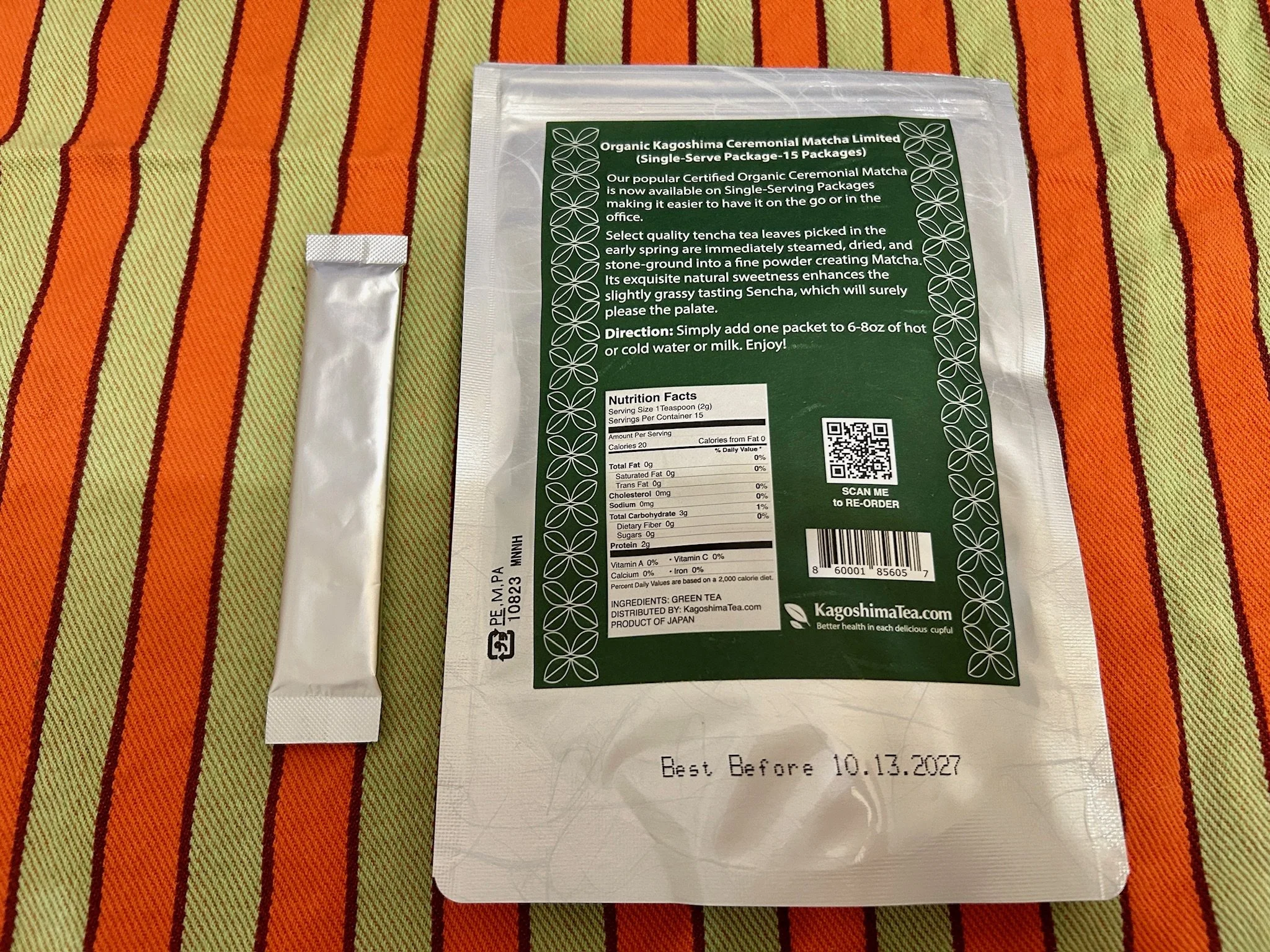
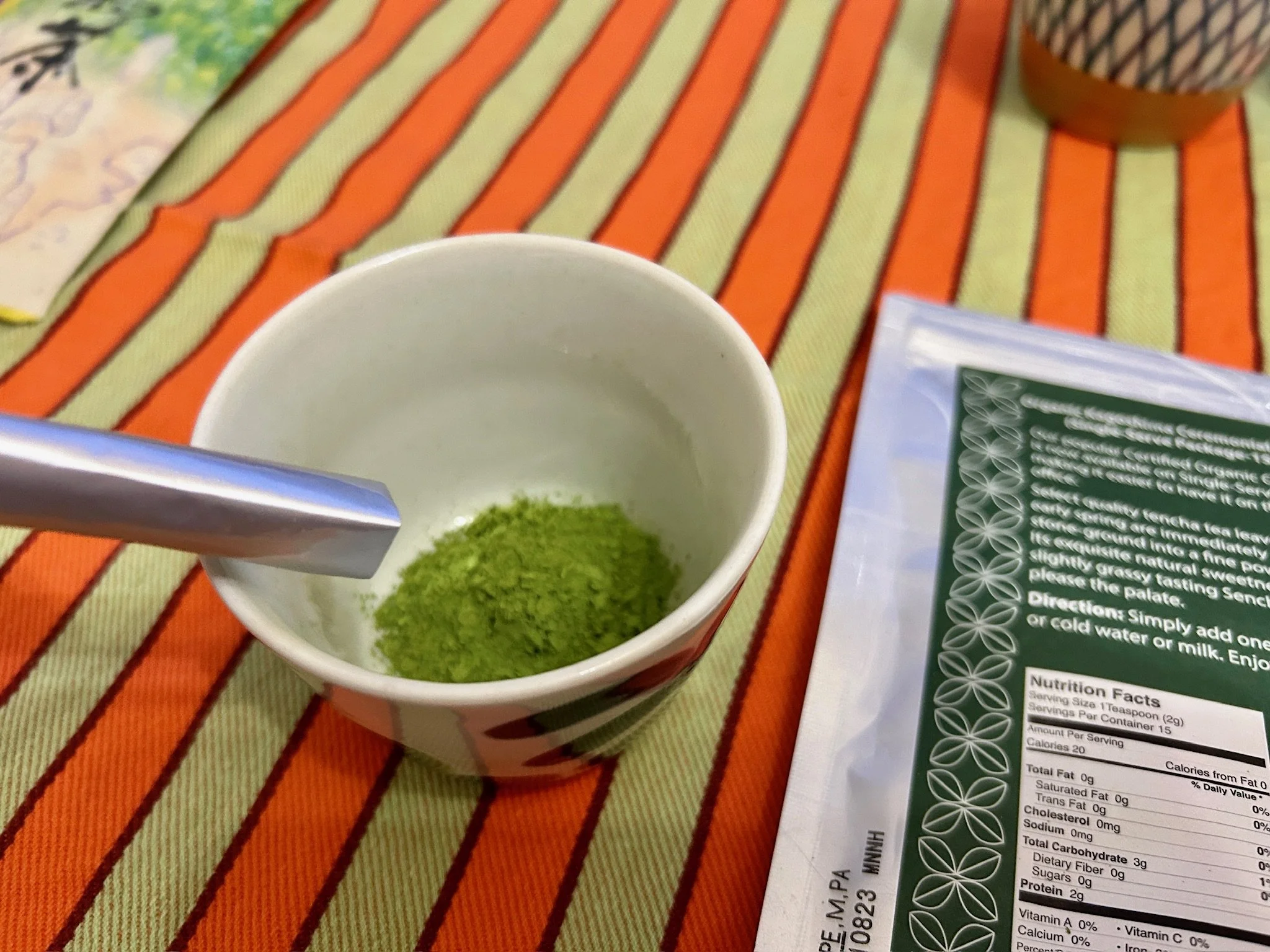
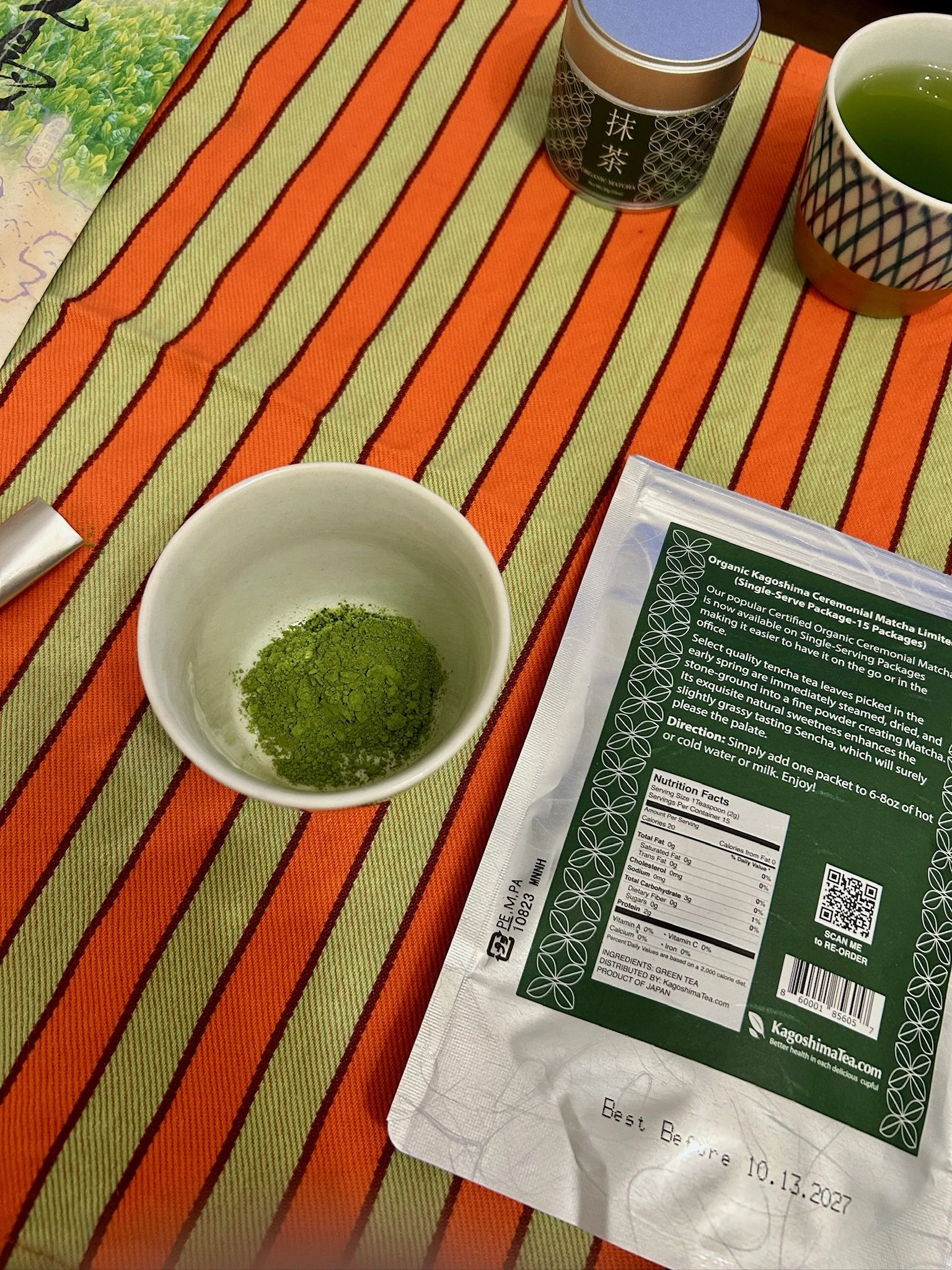
In addition to the powder, we received a packet of single-service matcha sticks that are handy for those on the go. The difference here is that it’s already been portioned out for you, so you need to stick to their recommendation of 8 ounces of hot water per stick. Eriko does not know how much an ounce is, so she used far too little water, resulting in a SUPER dark and SUPER strong matcha that was way too grassy for me. Obviously, everyone is different, but I want my matcha sweet and smooth, so I would probably use more than 8 ounces.
The small package contains 15 sticks, and at ¥6,240 JPY, it’s the same price as the powder matcha. If you like weak matcha and think you can make the powder tin go farther than the sticks, then the tin would be a better deal. But if you want it portioned out for you or you’re a heavy matcha drinker on the go, I could see this being a good buy.
It takes the guesswork out, but that’s only if you add the correct amount of water. If done properly, the powder and instant stick are basically the same, so you can decide for yourself which one is more convenient for you.
Get tea and coffee mailed to you directly from Japan
The one downside to Kagoshima Tea is that the website is a little confusing. You have to look through the categories to find the tea you want, and there might be some you don’t see on the first page that are better for you. What I’m saying is, be sure to check through all the pages.
Genuine Japanese tea mailed to your house, and at a decent price (especially for the loose leaf tea) is a great find, and can help you up your tea game. It might even turn a non-tea person into a tea person, which is good for your health!
Again, this is the same people behind Sumiyaki coffee, which we love. Go to their website and order some, and you’ll get 10% off with the code SeenJapan10. Plus, we get a little something when you order the coffee. We don’t get anything if you order the tea; we’re just recommending it because we liked it.