Is Japanese Wagyu Worth the Money?
This post contains affiliate links. For more information, please read our affiliate disclosure.
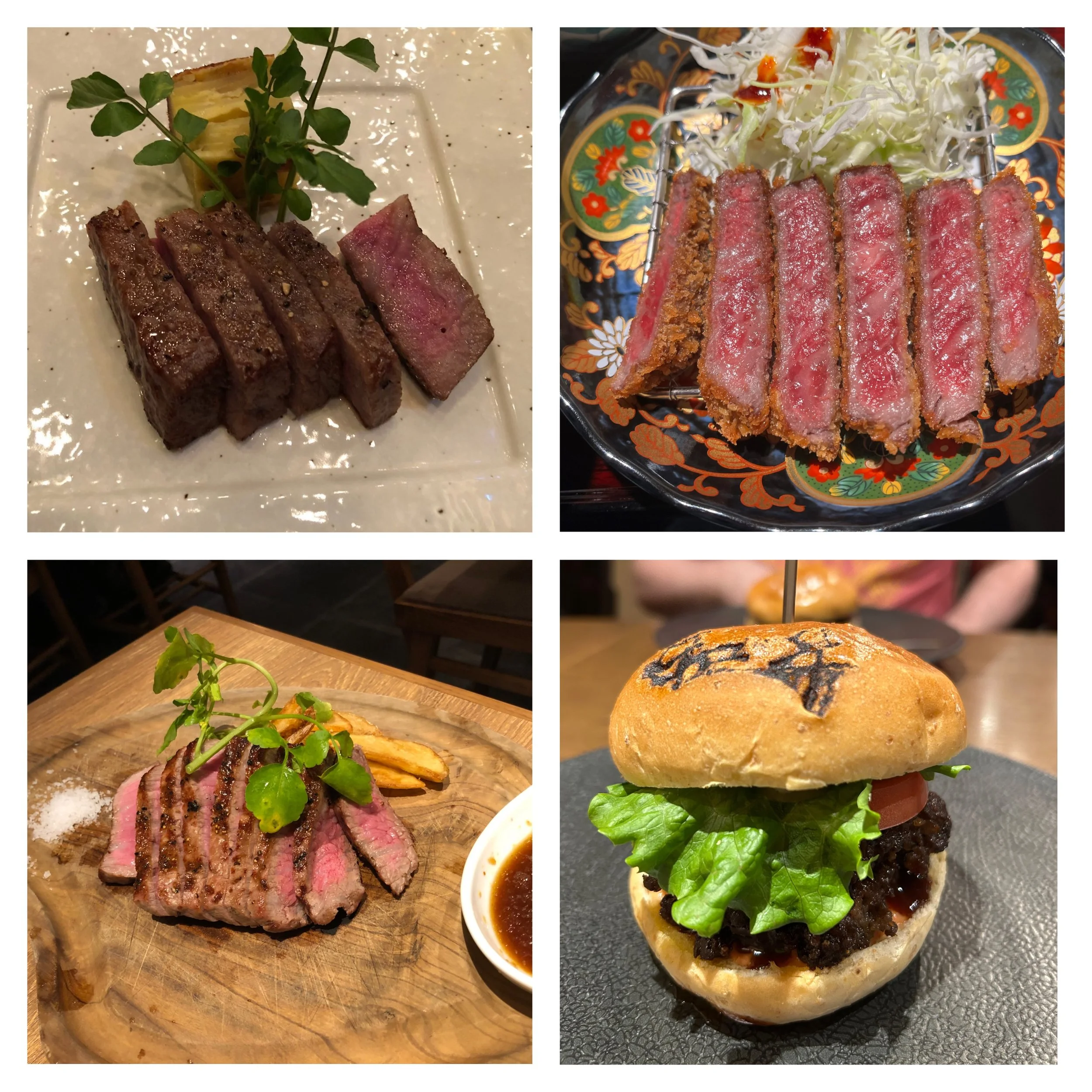
There are plenty of foods to come to Japan for: sushi, curry, ramen, yakitori, karaage, and of course the deadly fugu. One item some tourists want to try is the steak, as Japan is famous for Kobe beef and Japanese wagyu. In Tokyo, these things can cost a lot of money. Here’s how to understand the difference between the various types of Japanese beef, what makes them special, and when they are (or aren’t) worth spending for.
What exactly is wagyu, and how is it different from Kobe beef?
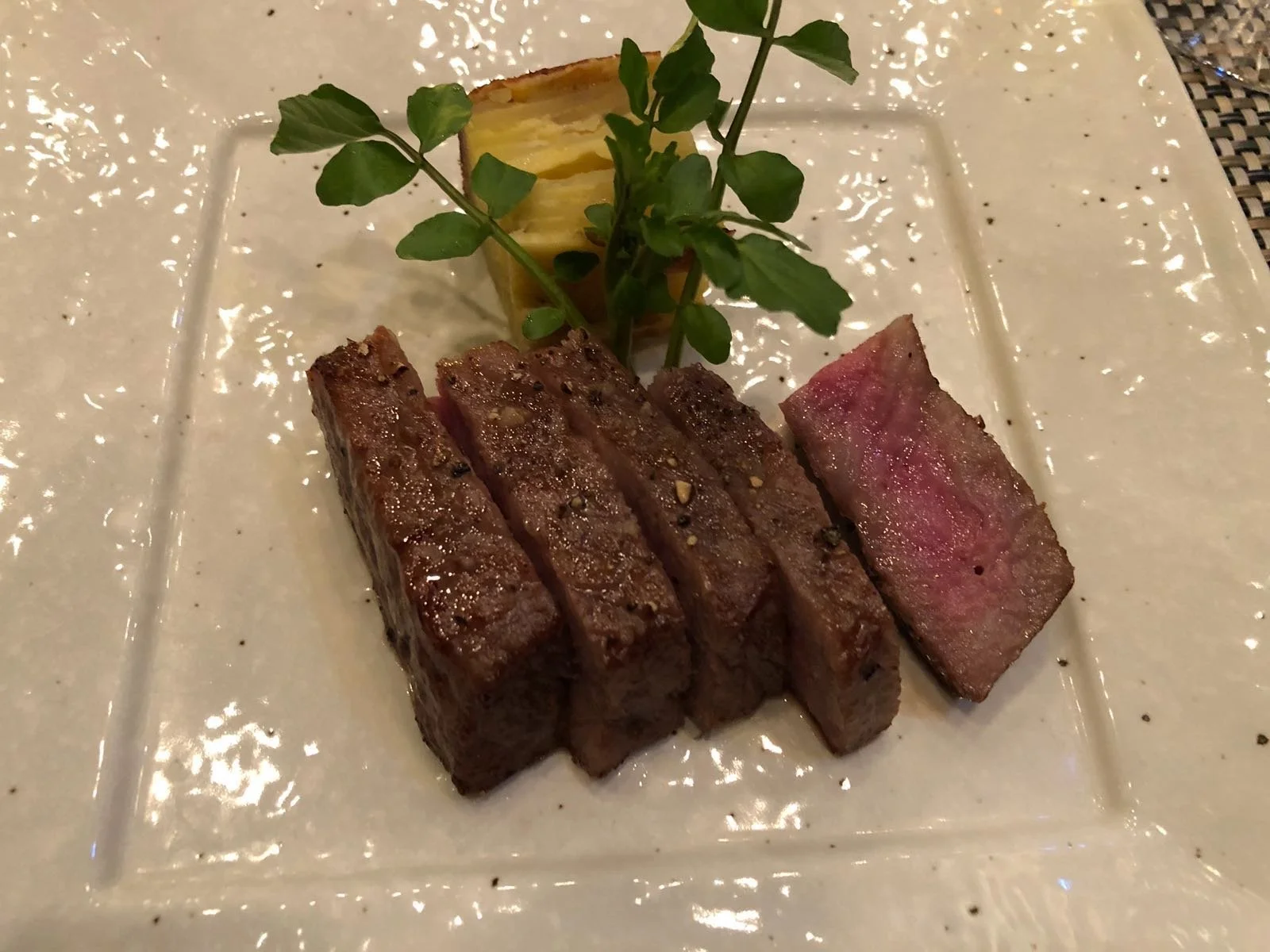
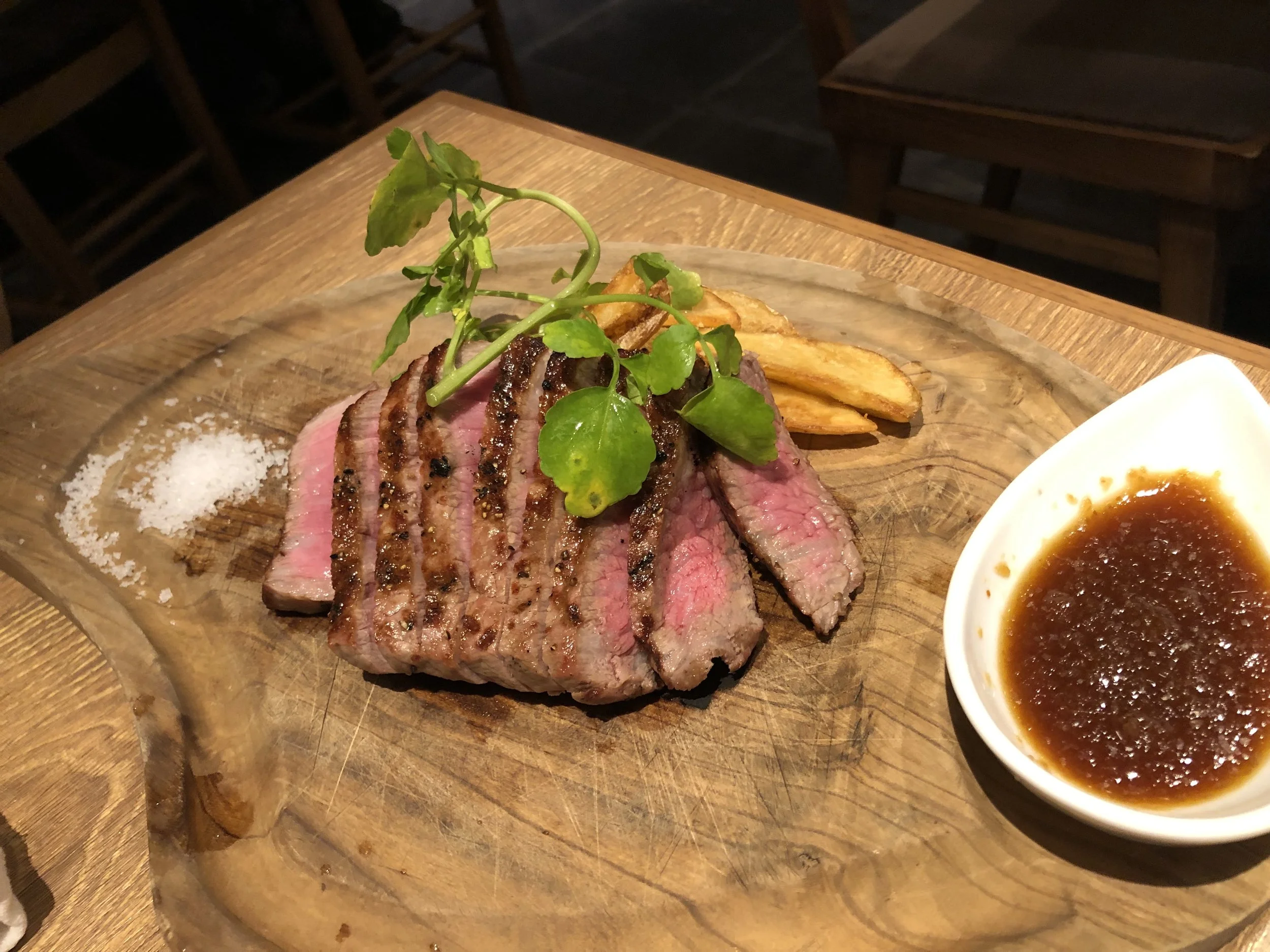
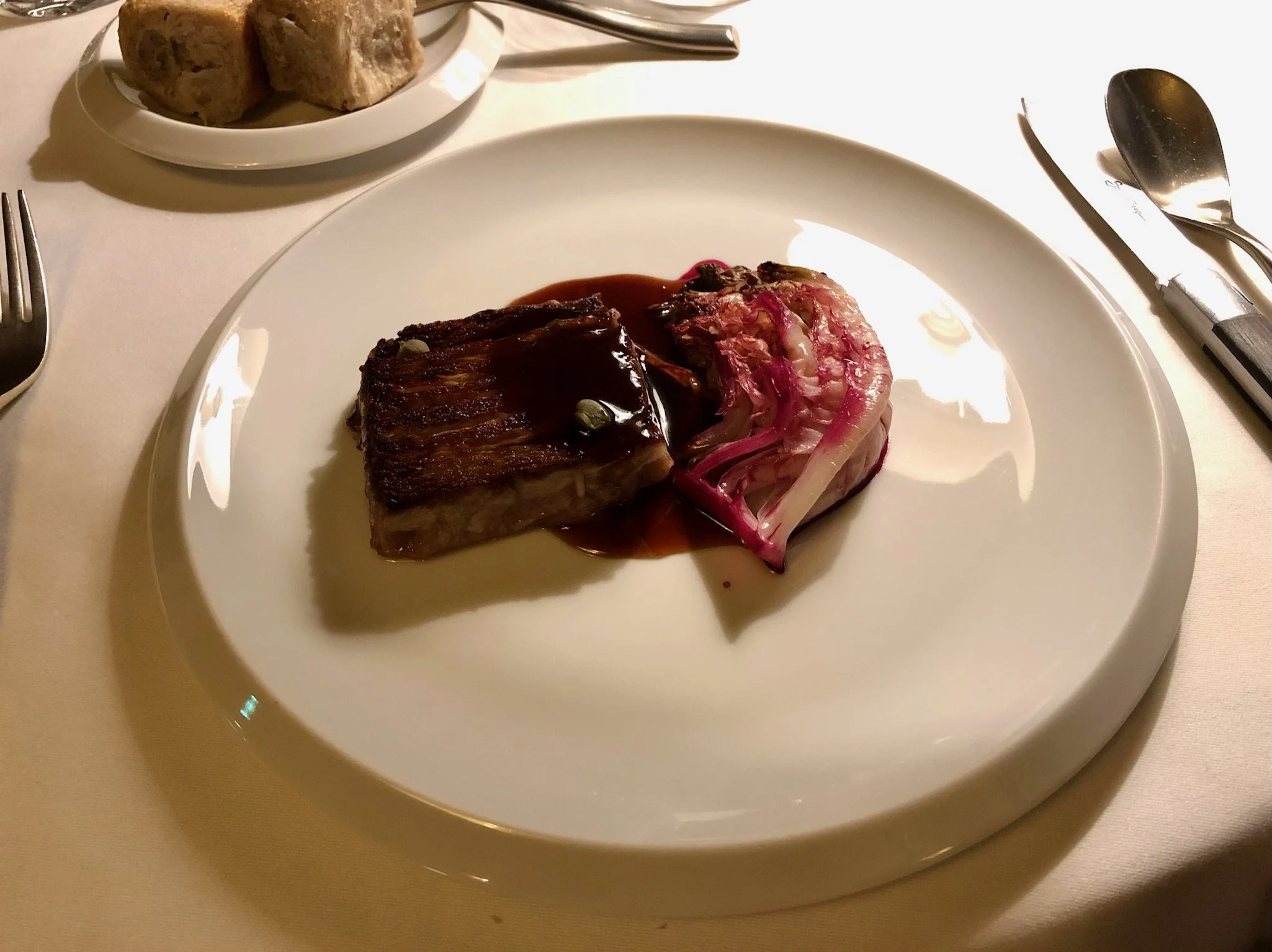
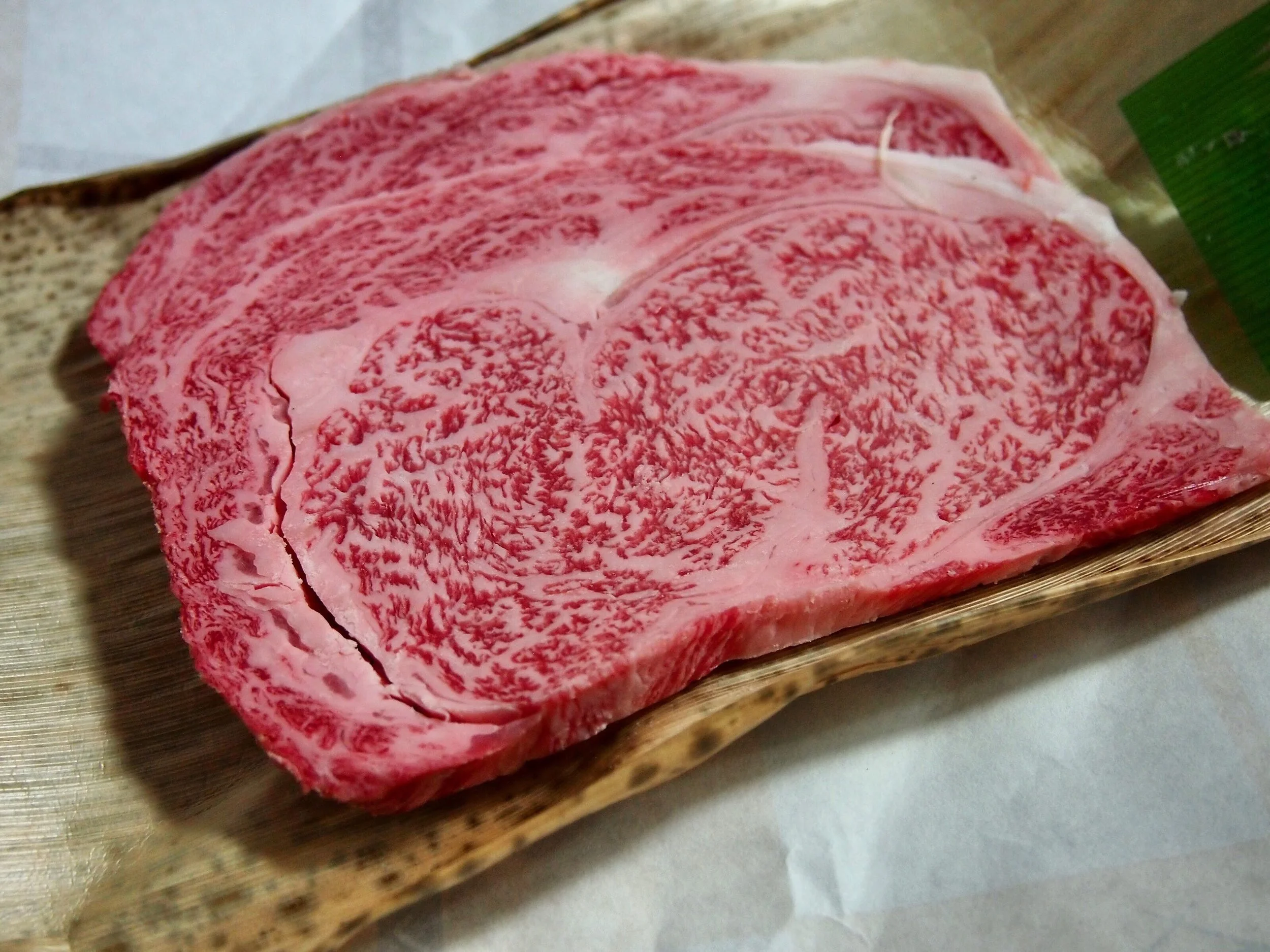
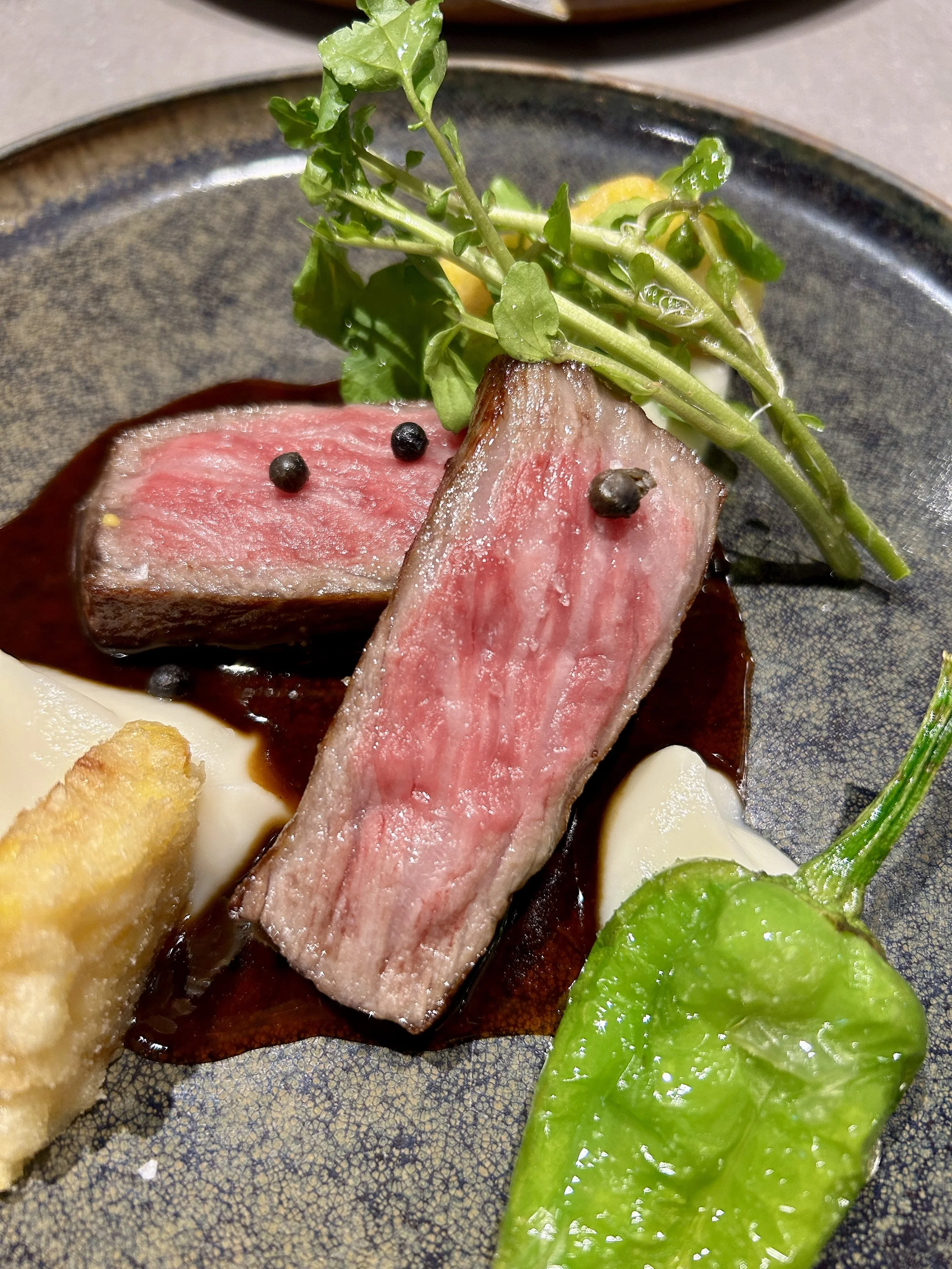
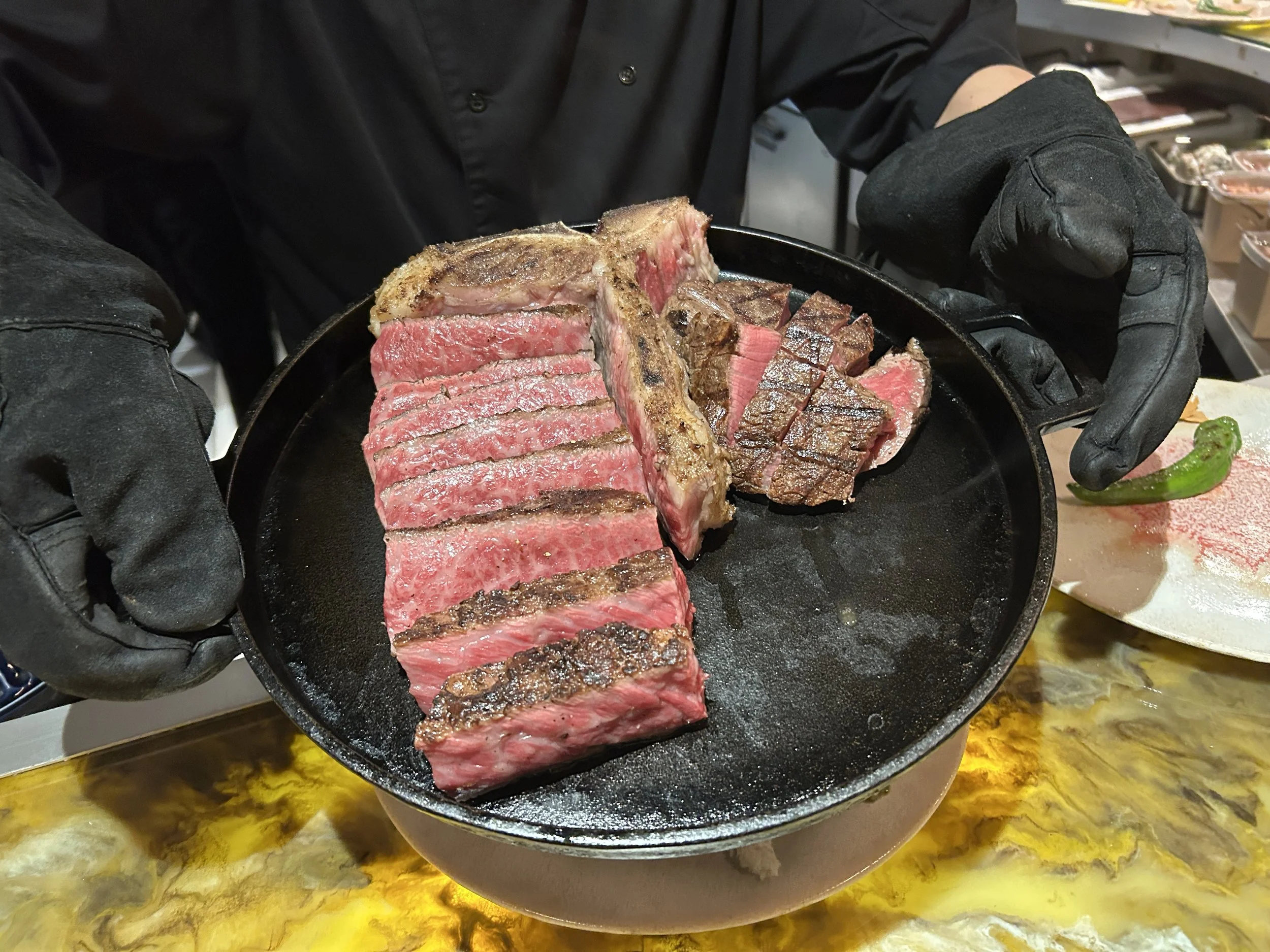
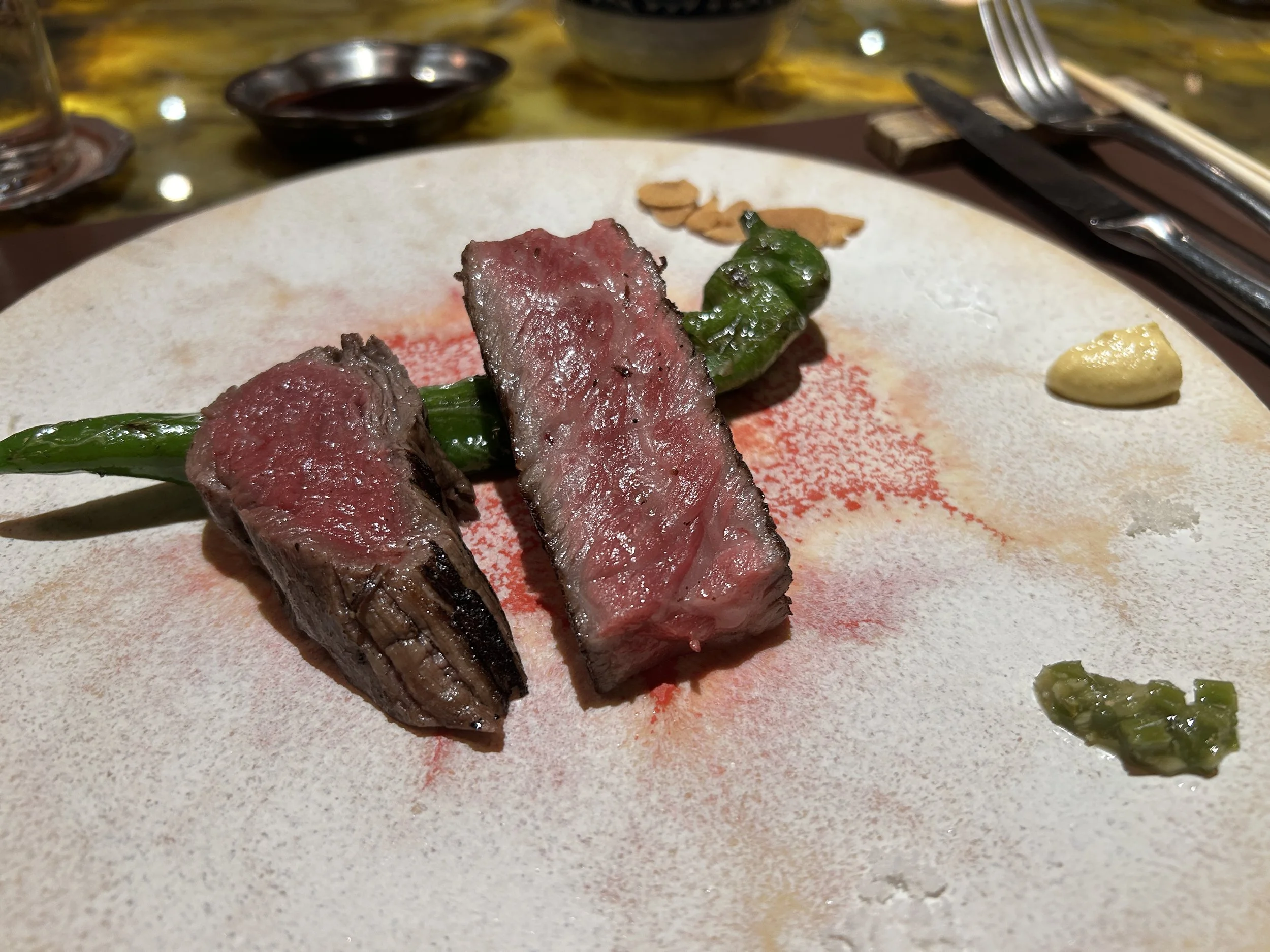
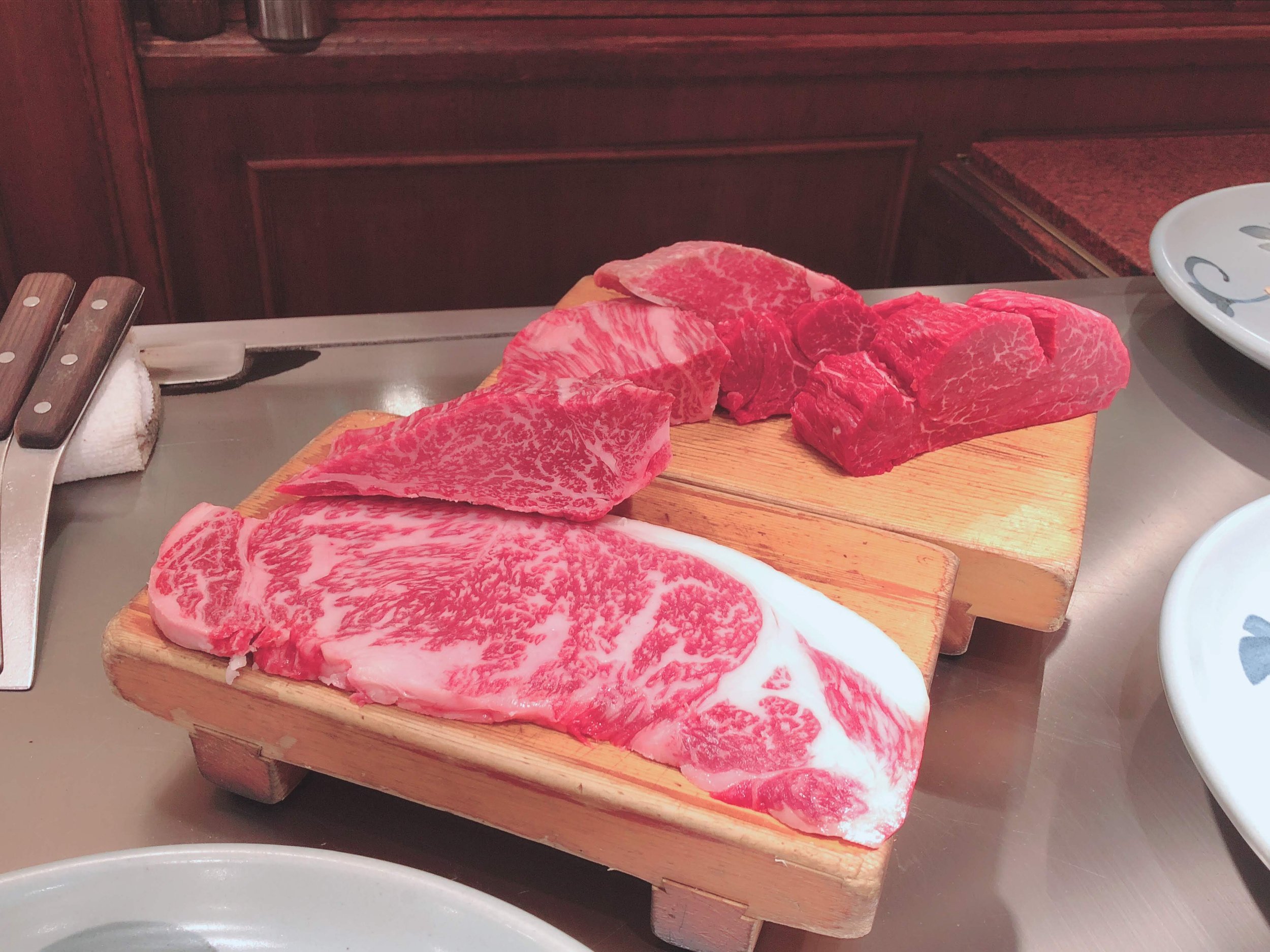
The term “Wagyu” refers to the type of cow from which the beef comes. “Wa” means Japanese in this context, and “gyu” means beef, so the name is literally “Japanese beef.” Because these cows can be raised anywhere, wagyu is not limited to Japan. You can have Australian wagyu, for example.
Kobe beef is different. For a steak to be labeled as “Kobe beef” in Japan, it must follow strict standards related not only to the type of cattle, but the quality, region, and the way the cows were raised and slaughtered. All Kobe beef comes from wagyu cattle, but not all wagyu is Kobe beef.
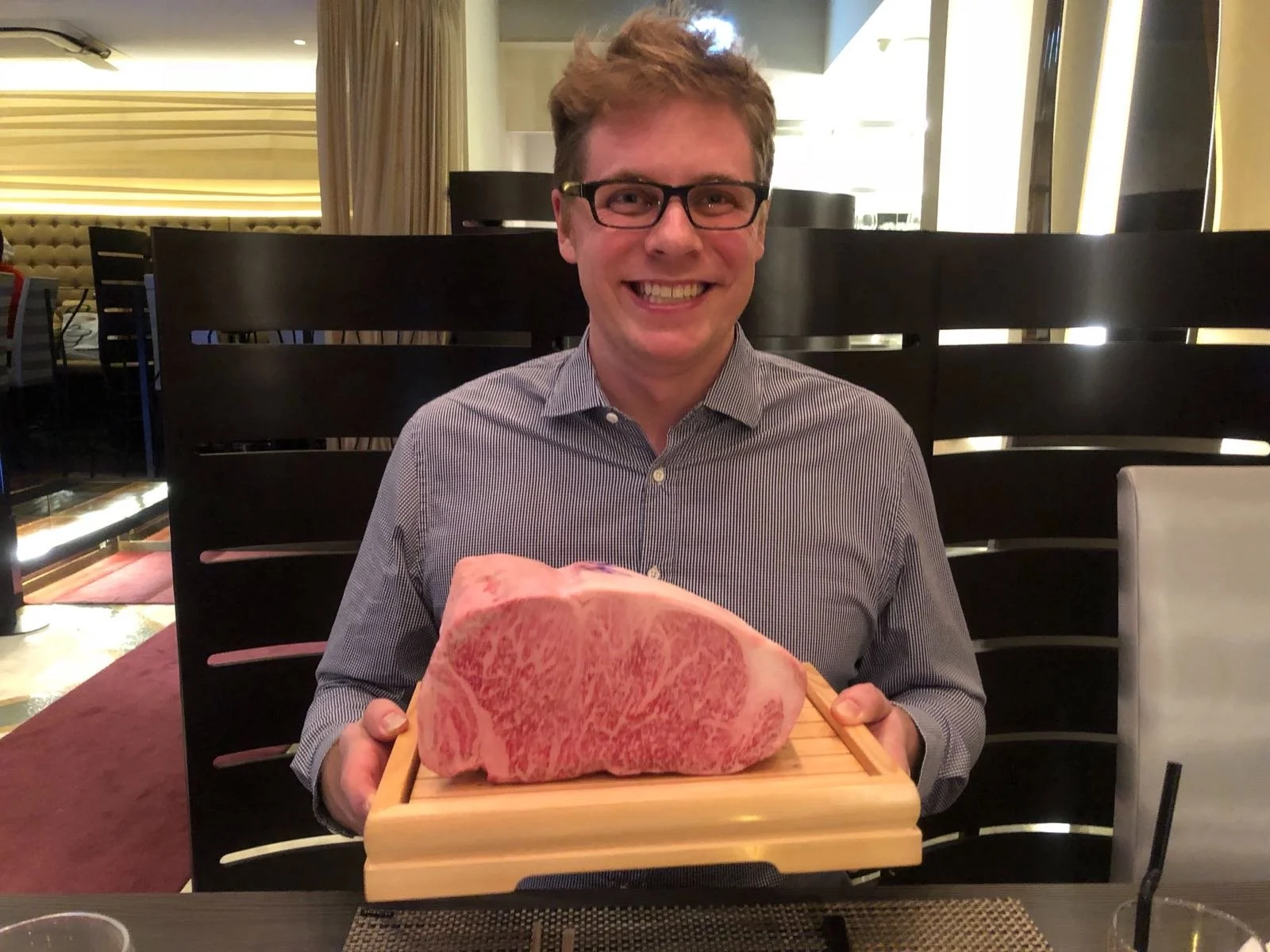
If you come from America, you may have been burned before by restaurants boasting Kobe burgers that are sub-par. This is because in America, there is no law restricting what can be called Kobe beef, and restaurants take advantage of that to trick customers. This would be illegal in Japan. Around here, if it says Kobe beef, it must meet certain standards. All Kobe beef is Grade A or B with a yield score of 4 or 5, and a marbling score of 6 to 12. The highest is A5-12, which we had at Kobe Beef Kaiseki 511 in Tokyo and can confirm is really good.
Kobe beef can be quite expensive, especially if it’s imported, so if you’re at a restaurant in America that offers “Kobe sliders” for $20, don’t be fooled. Some, if pressed, will tell you it’s a “Kobe-style slider,” which is not a thing. There are maybe two restaurants in Kobe that serve sliders, and they ain’t that special.
Kobe beef is less expensive in Japan, but it all depends on where you get it. When we lived in Kobe, we were able to go to a butcher shop to buy Kobe beef at a decent price, and there are some reasonable restaurants that won’t break the bank. In Tokyo, that’s not the case. Kobe beef will run you quite a bit here, so for tourists, it might be a tough choice as to whether you want to go to a fancy restaurant just to try it.
I can confirm that real Kobe beef is delicious. The marbling spreads the fat throughout, helping the meat hold its structure so it doesn’t just disappear when you put it in your mouth. It stays on your tongue, allowing you to savor the complexity of the murdered animal flesh. If you can afford it, Kobe beef is definitely worth it. However, I can totally understand why someone visiting Tokyo might want to skip it, because even we don’t eat Kobe beef here as it’s just too expensive.
There are other types of fancy Japanese beef, including Kobe wine beef, Omi beef, Matsusaka beef, and olive wagyu, the rarest of them all, which we had at our wedding reception no big deal. If you get the chance to try any of these, it will be worth it and probably expensive if you’re in Tokyo.
If Kobe beef is out of your price range, you might want to try some Japanese wagyu, which can be less expensive. Is this worth paying extra for?
It obviously depends, as there are many types of wagyu. Some types of wagyu are so common that they’re available at our local supermarket, and some are not (like the wagyu and caviar we had at Cinc Sentits, or the wagyu mille-feuille at Alleno). If you’re a tourist, it can be tough to know which places are actually offering something that’s a cut above your normal steak. We recently had two experiences with restaurants that advertised wagyu as part of their appeal, and our experiences were telling.
Burgers at Godaime Wagyu Tokyo in Ginza
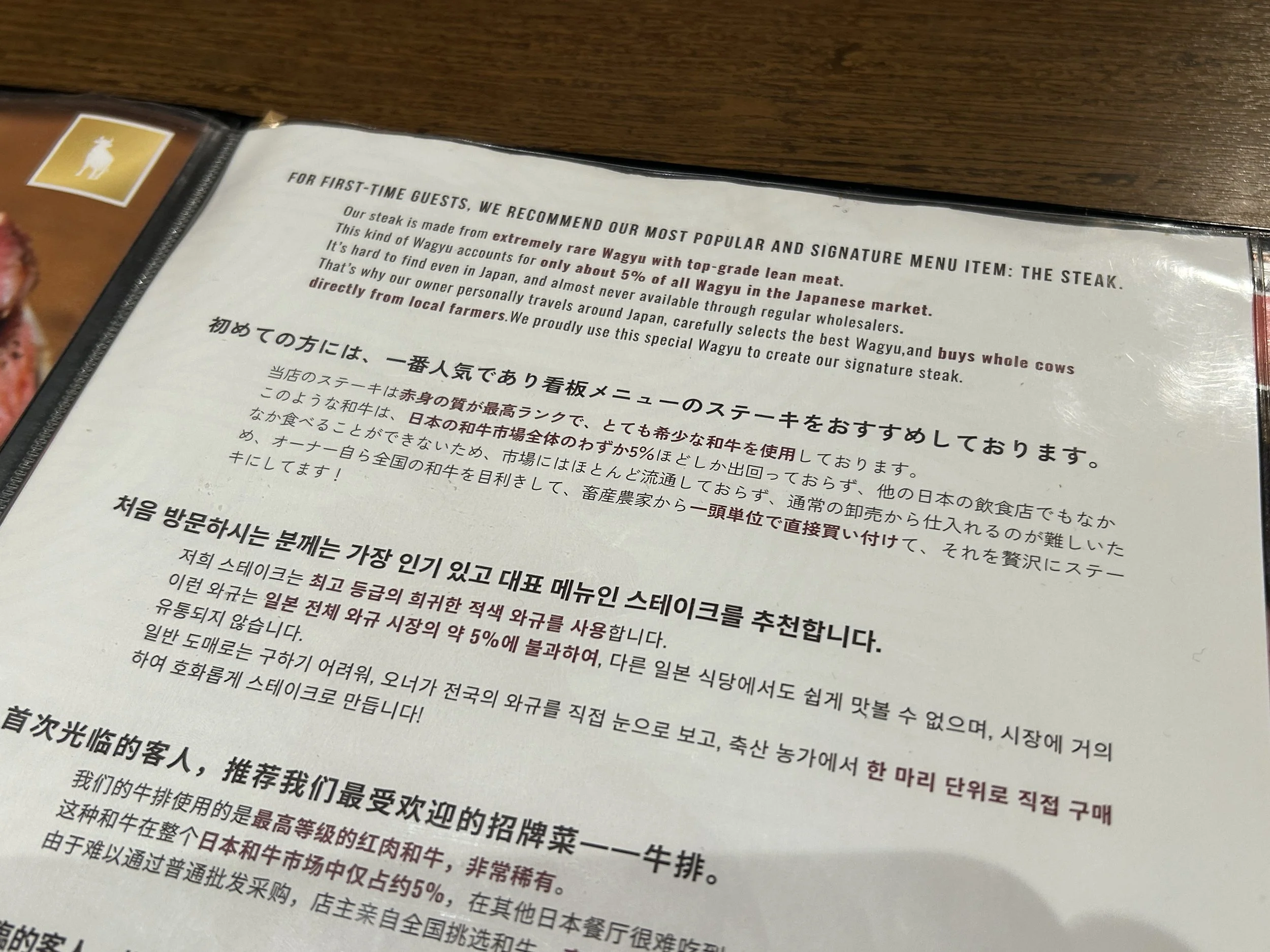
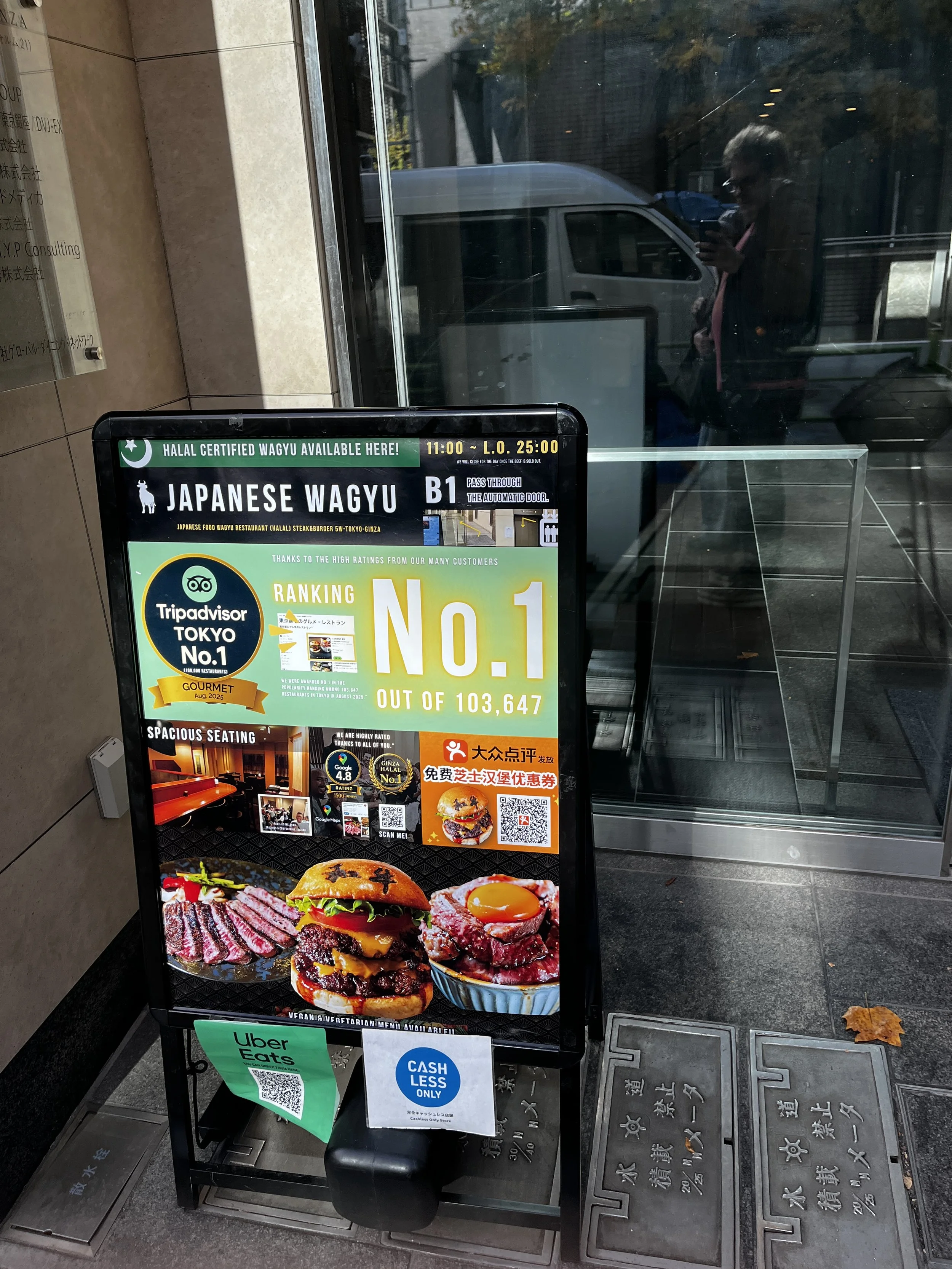
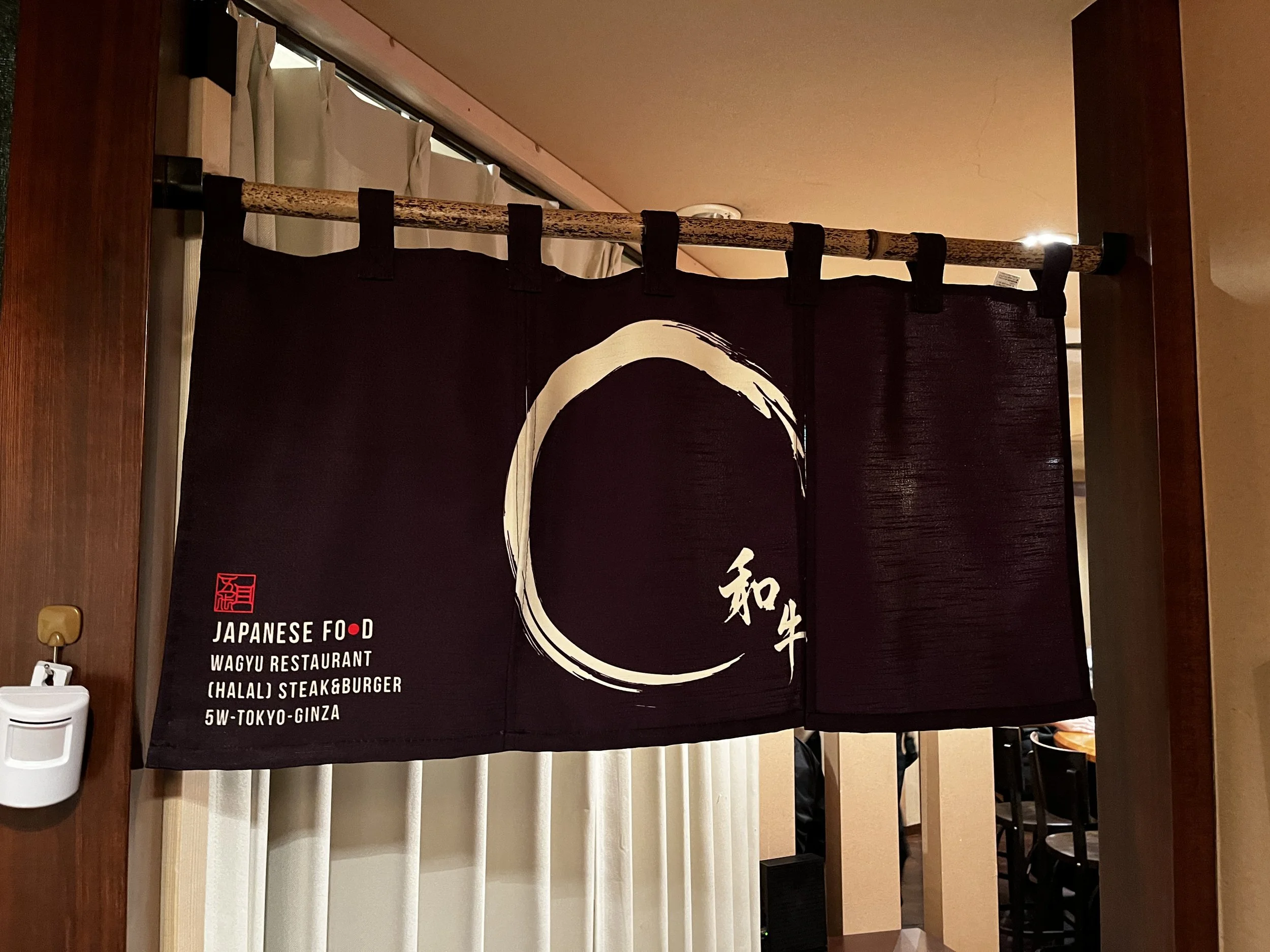
After a visit to the endocrinologist last November, Eriko and I found ourselves in Ginza around lunchtime. Since the doctor had just told me I had high triglycerides and should get more exercise, I decided I was in the mood for a burger. A quick search on Google Maps gave us a nearby spot, and we walked through the insanely pricey neighborhood to a random building where a sign out front told us the place was downstairs.
The restaurant, Godaime, looked like a typical Japanese counter-and-limited-seats lunch spot, and advertised wagyu burgers. Normally, we don’t go too crazy at lunchtime, but we’ve long been on the hunt for Japan’s best burger, and Ginza is expensive no matter what you get, so we went for it.
The first warning sign came when they greeted us in English, and continued speaking English to us the entire time. They also spoke English to the other guests, all of whom spoke English back. This is a bad sign because it means this restaurant caters to tourists, so much so that they expected us to be tourists like all the other people eating there.
It was the waiter’s first day, so he struggled through the explanation of their wagyu and where it comes from and what makes it different from other beef. We felt it would be rude to interrupt his first chance at the spiel, but we did inform him that we lived in Japan and knew what wagyu was.
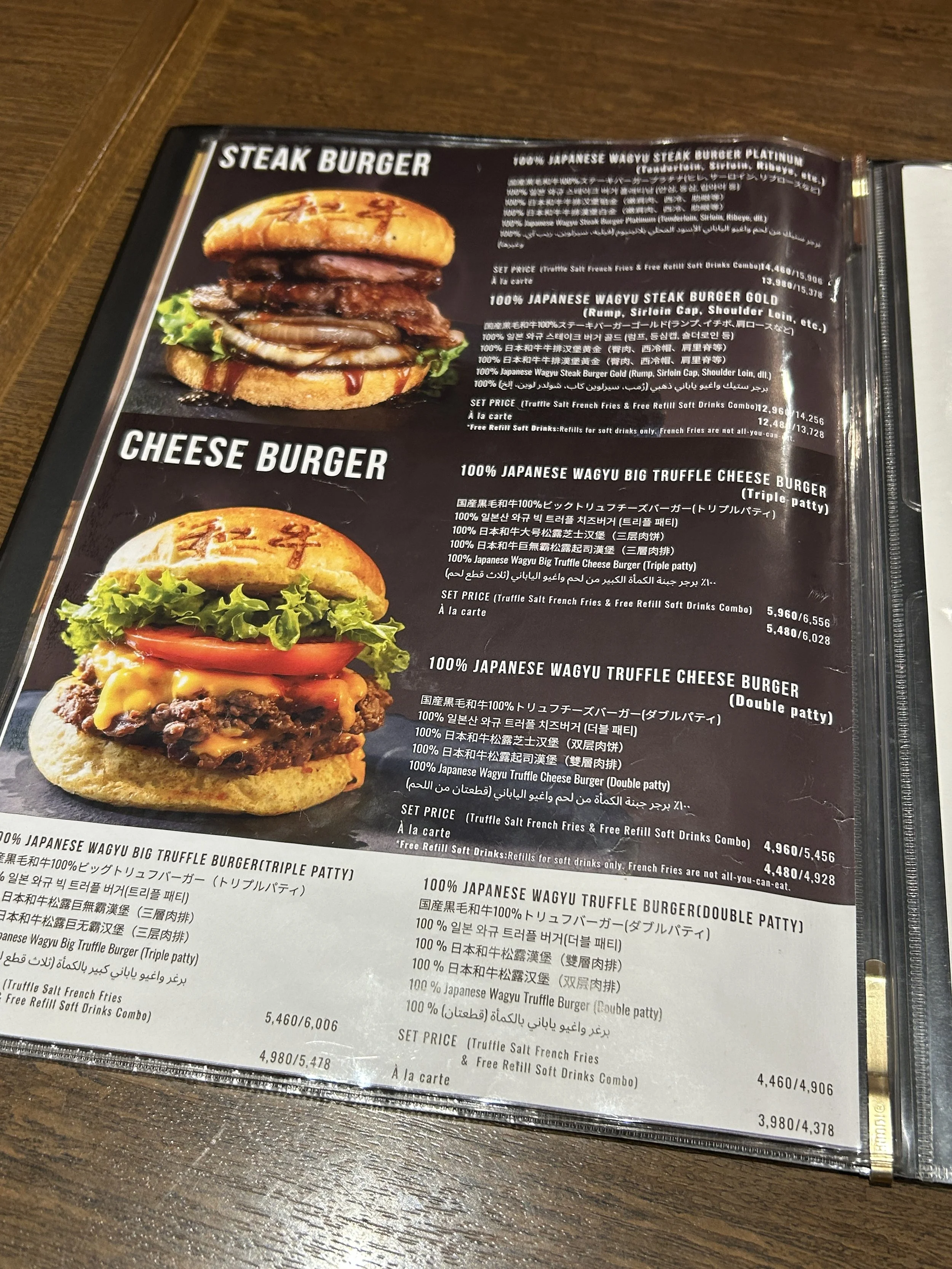
As for the menu, they have steak and beef bowls as well as burgers, but no matter what you get, it is SO EXPENSIVE. More expensive than we were expecting. Google Maps had a picture of a menu that featured a basic single burger for under 2,000 yen. That burger is clearly no longer on offer. The cheapest single burger (no cheese) was 3,980 yen, about $25. We both got that one.
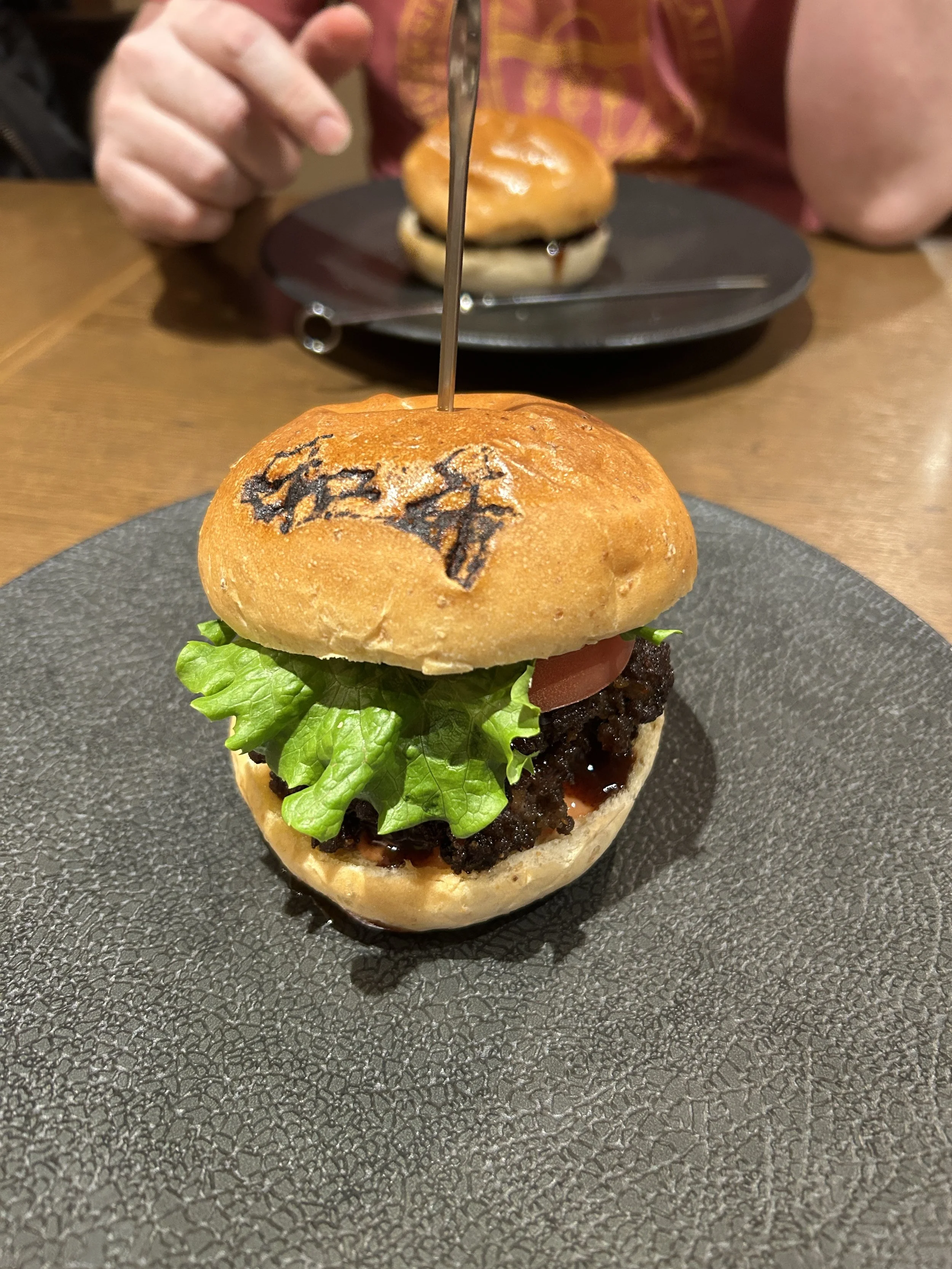
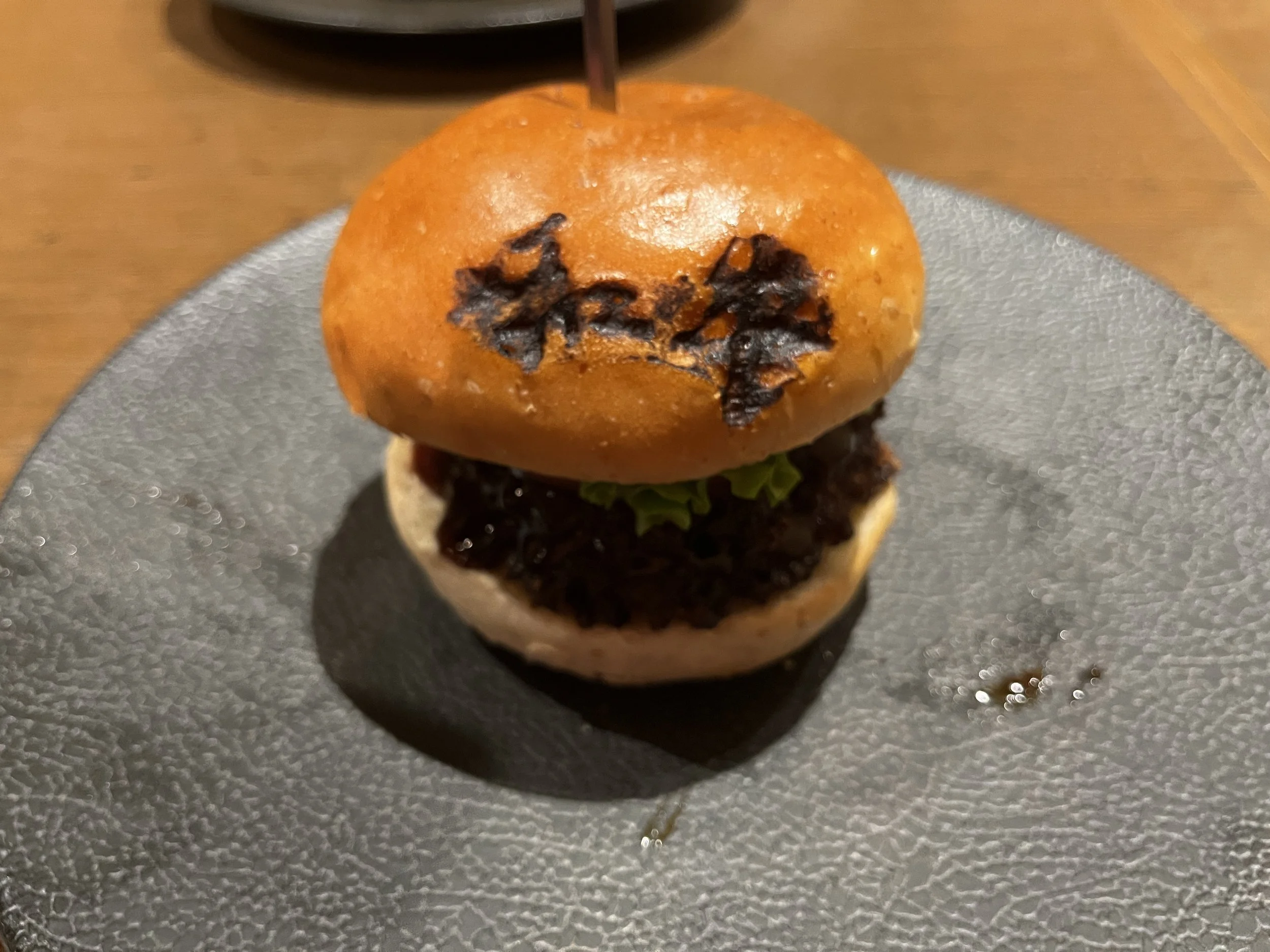
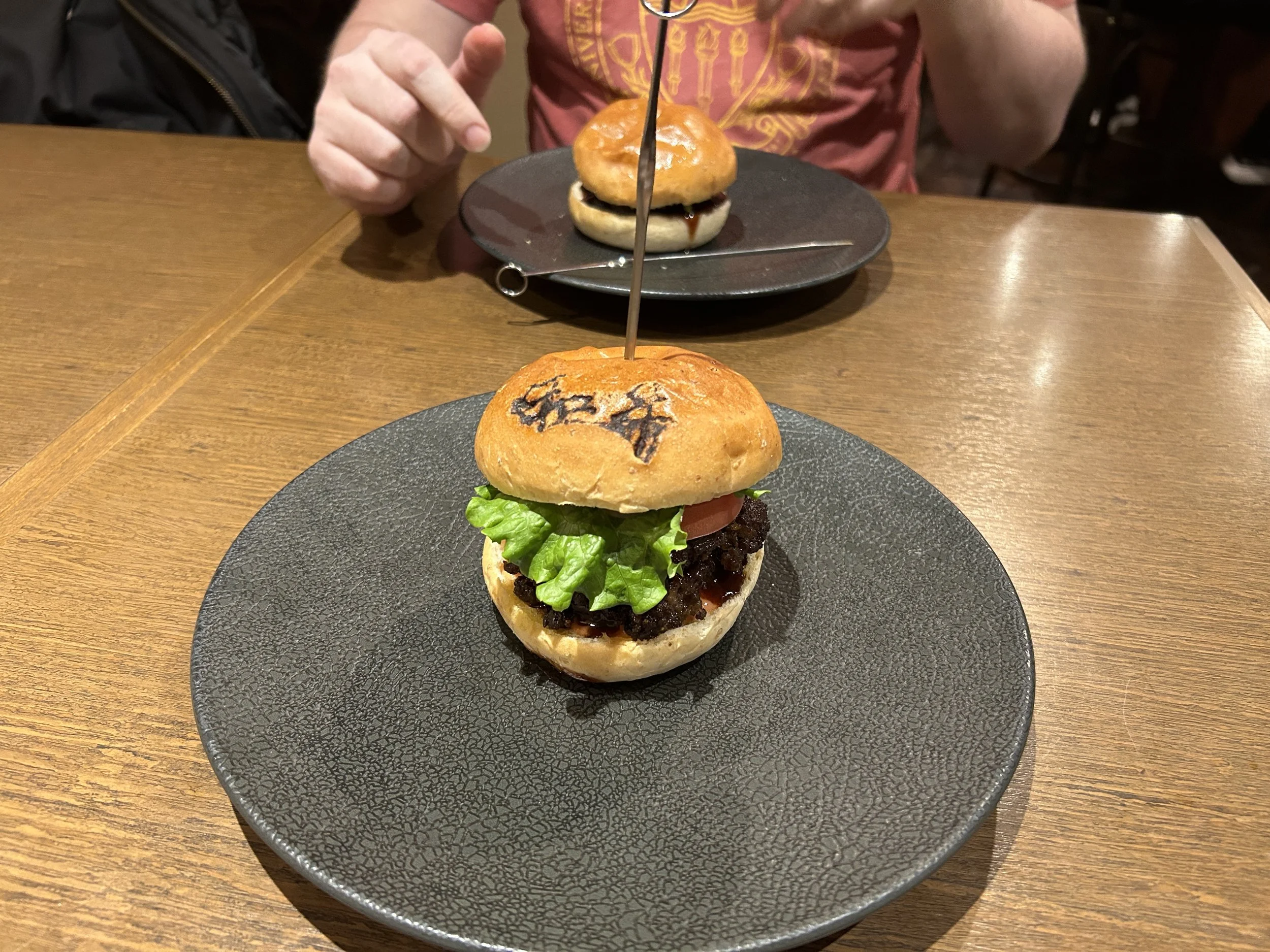
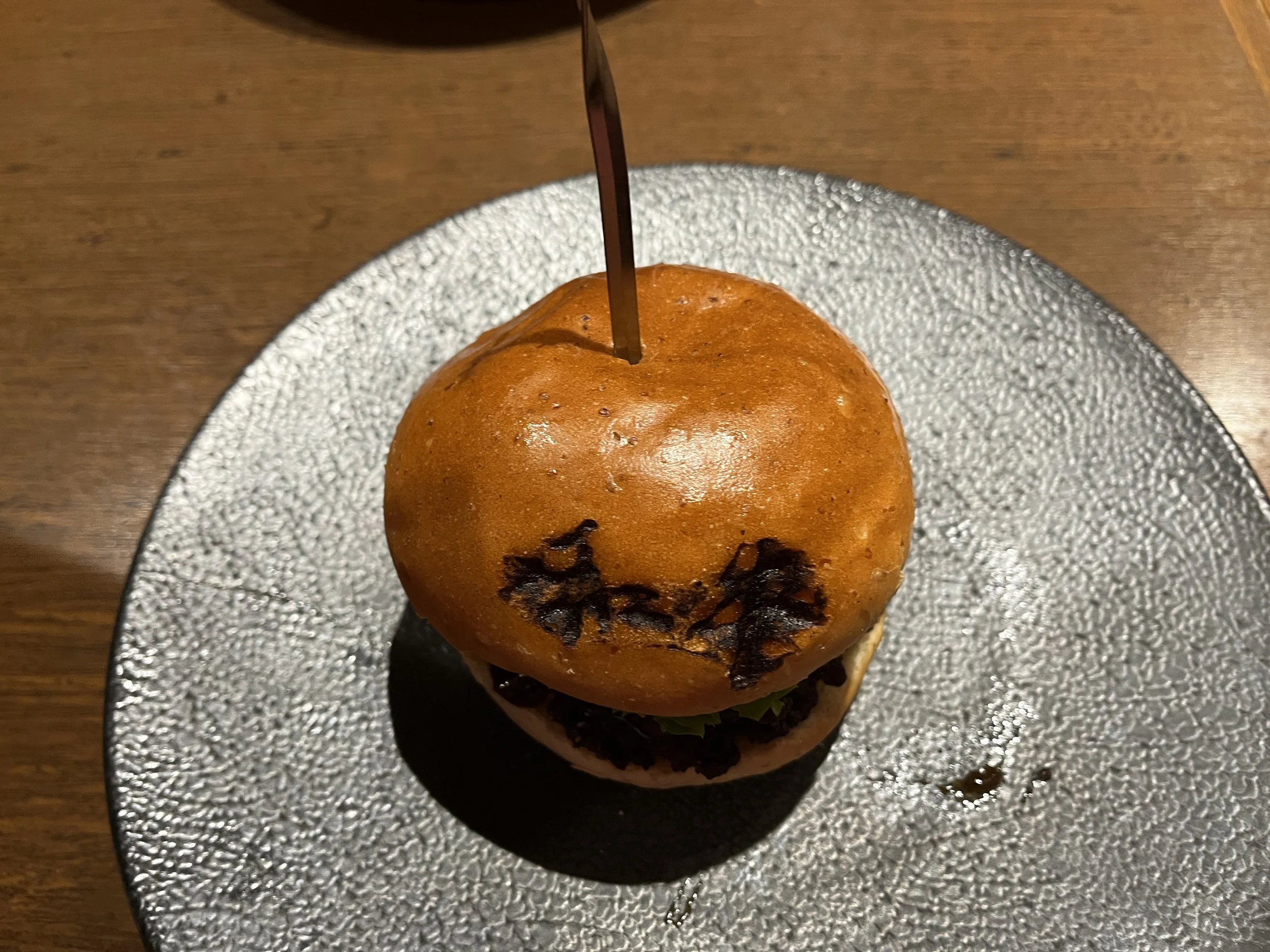
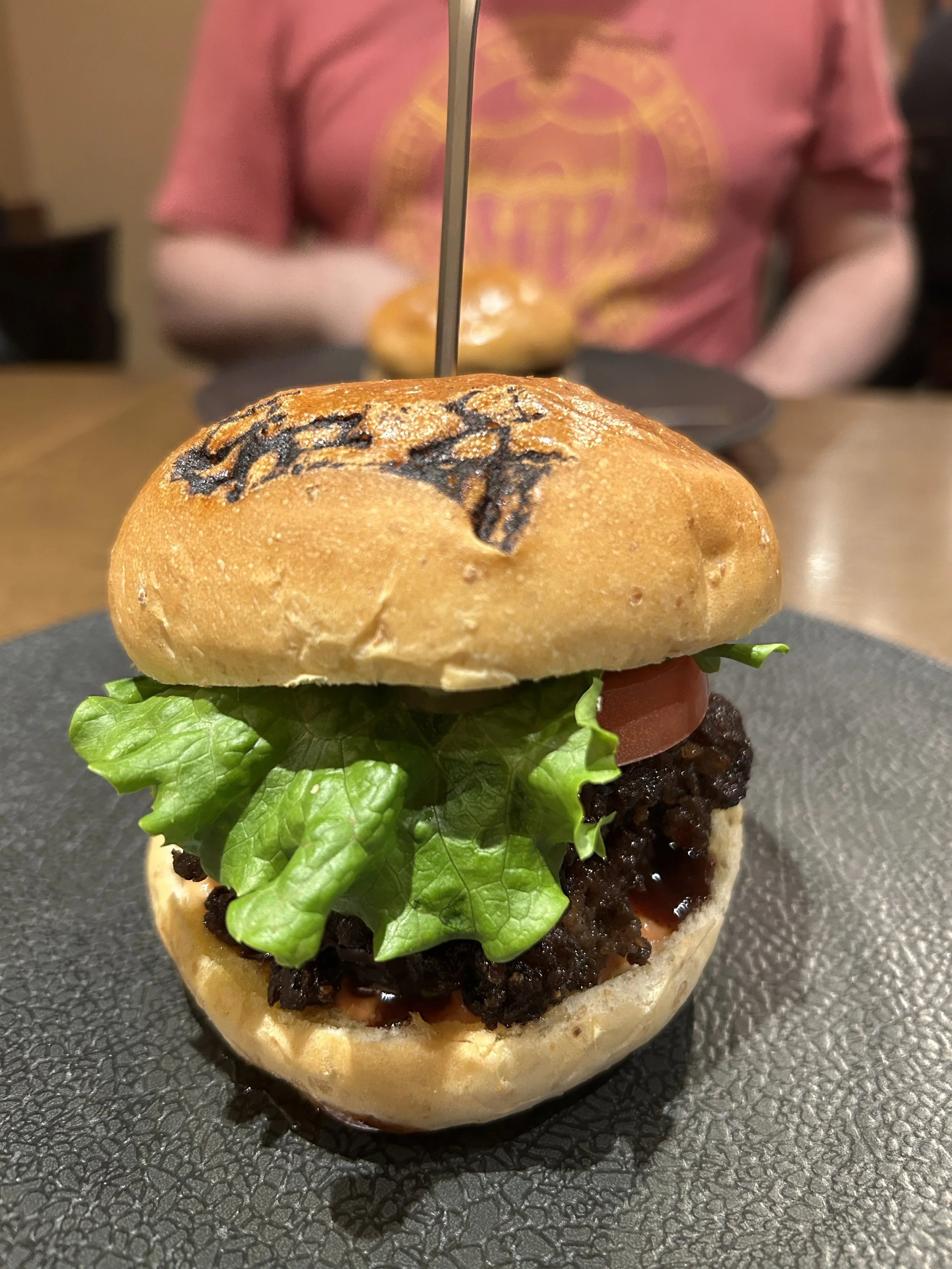
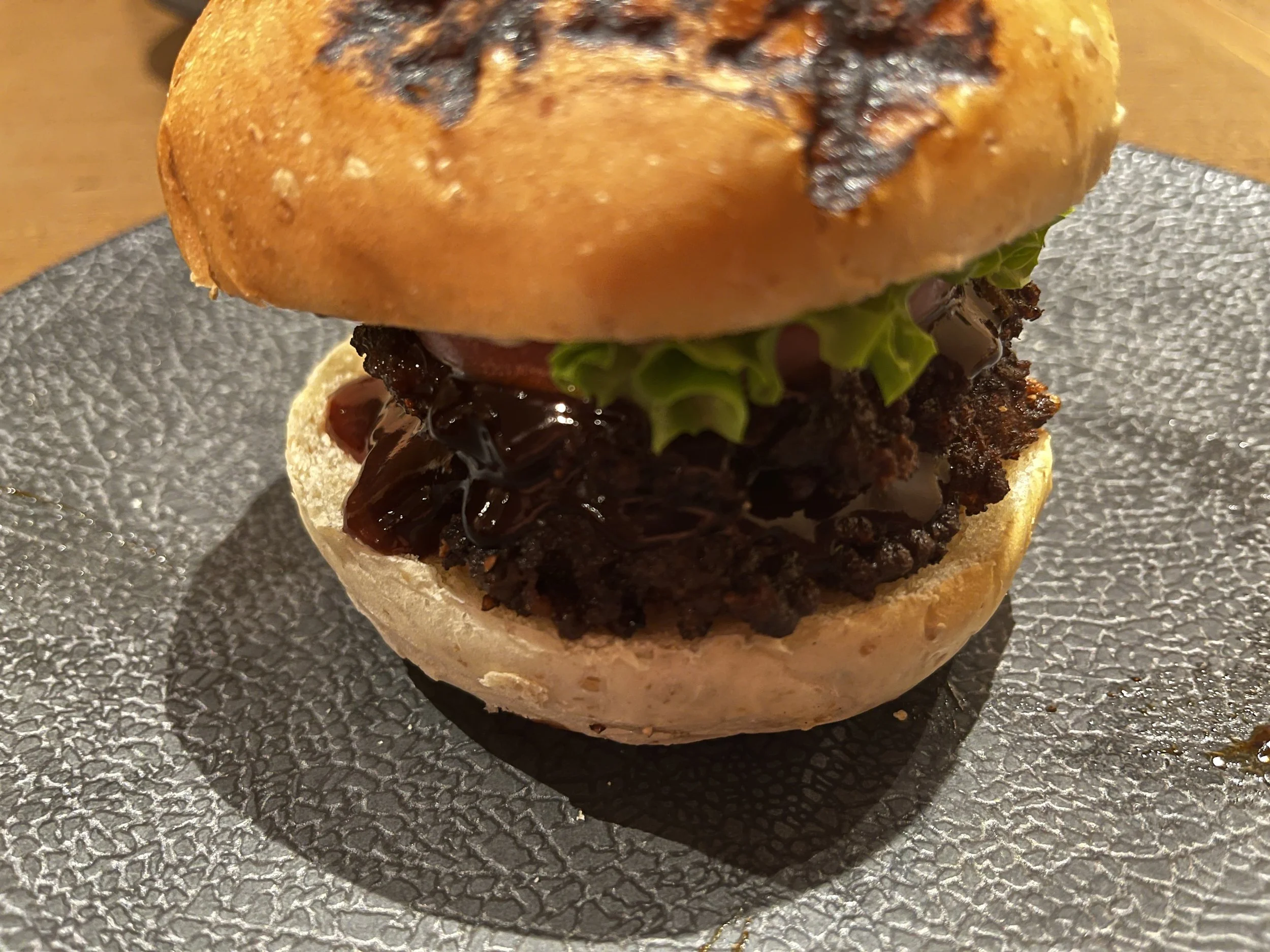
They brought out the burgers, and the woman asked us to guess what it said on the bun.
“It says ‘wagyu,’” I said. “We are Japanese.”
They seemed a bit disappointed.
The burger came with tomato, lettuce, and a tangy sauce that was fine but not memorable.
Overall, the taste was… fine. It was a fine burger. Pretty good. Not bad.
Henry’s good? No. Not even Brisk Stand good. And absolutely not 3,980 yen good.
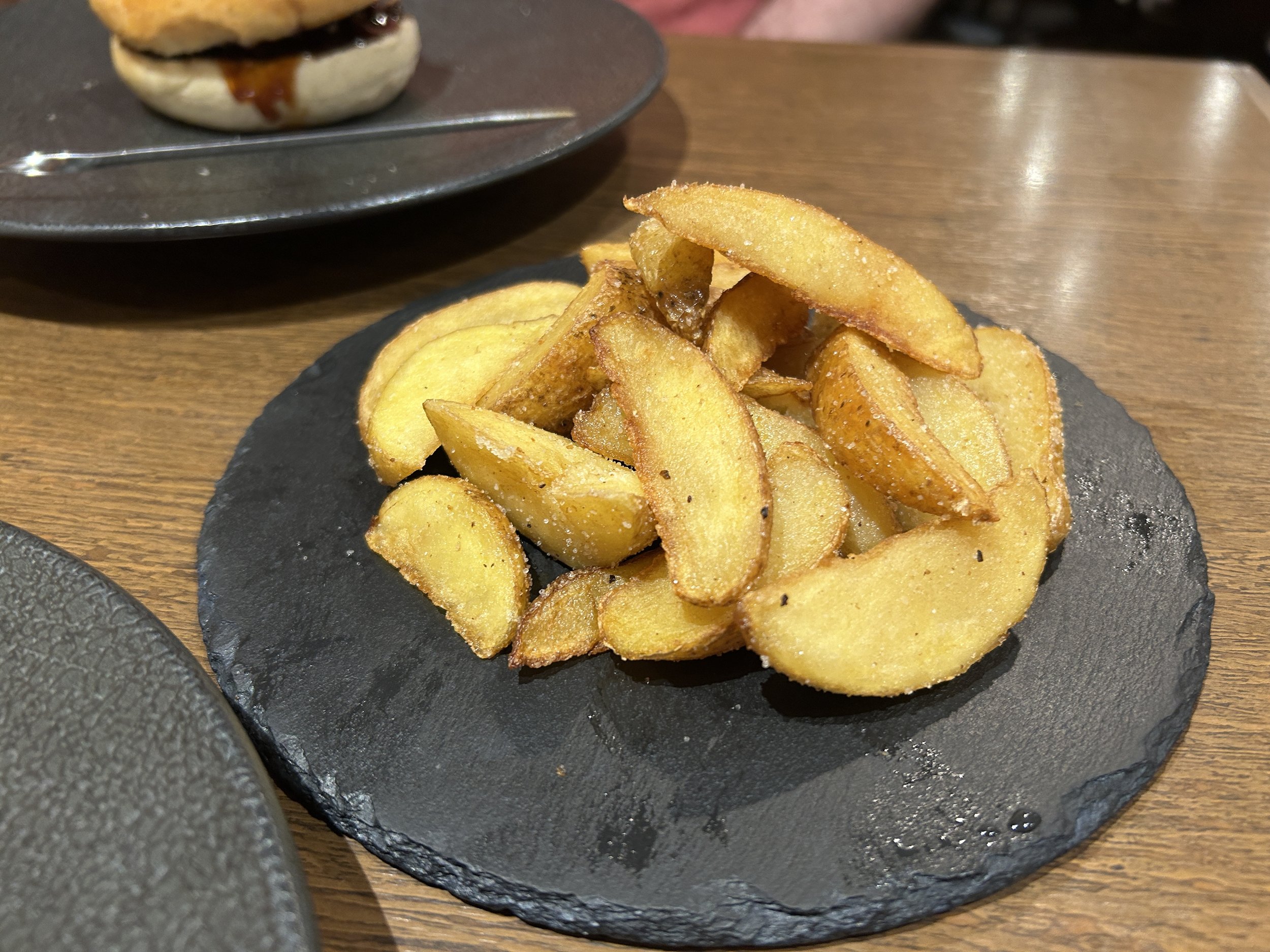
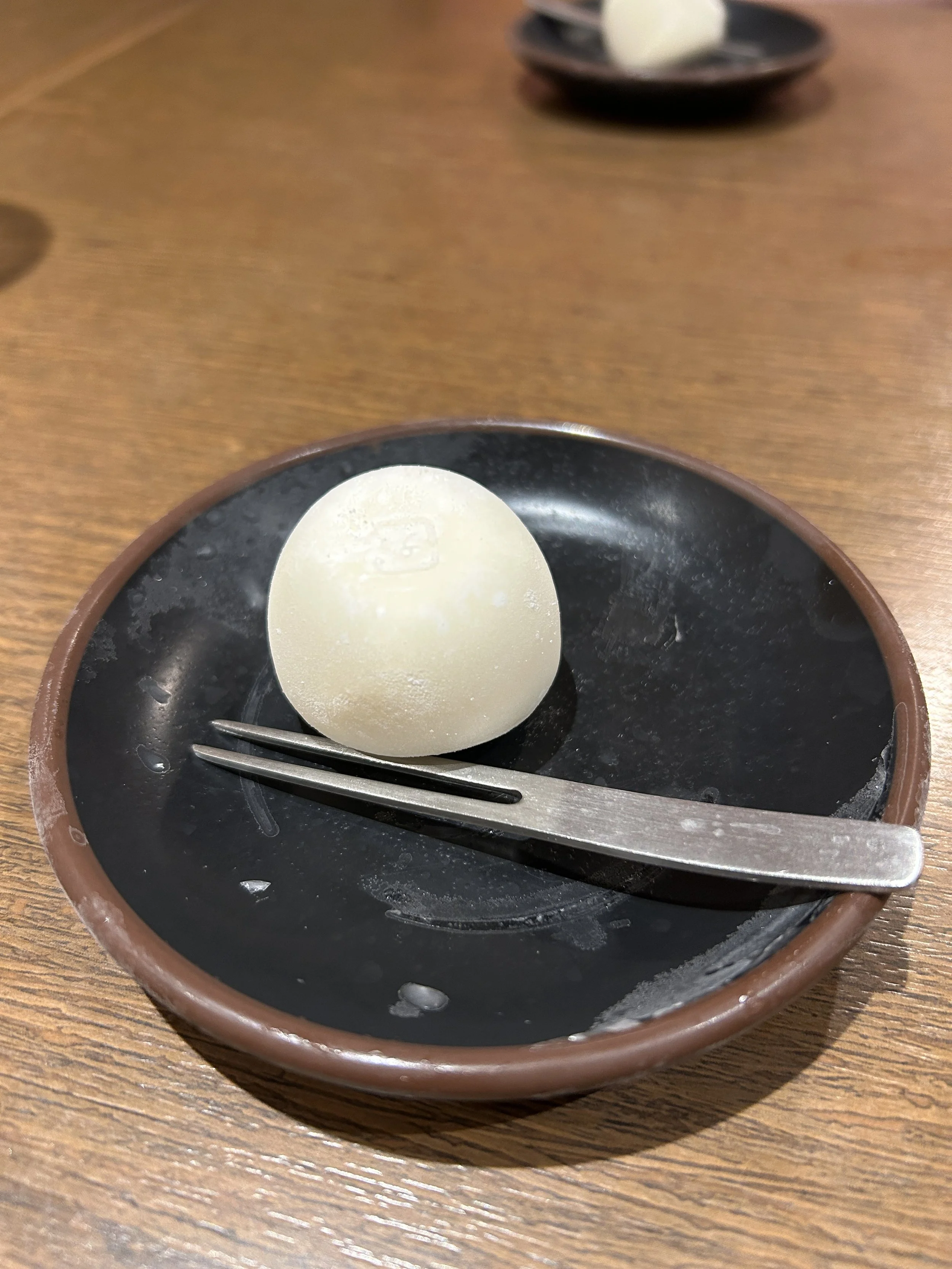
The potatoes were also fine, as was the dessert mochi. Ultimately, we paid an insane amount for decent burgers at a restaurant that was obviously catering to tourists who’d never had wagyu before and wouldn’t know they were being ripped off.
It was a sub-par experience, and I originally decided it wasn’t worth our time to write about, but that changed after an incident in February..
Halal Wagyu Ramen at Gyumon Shibuya
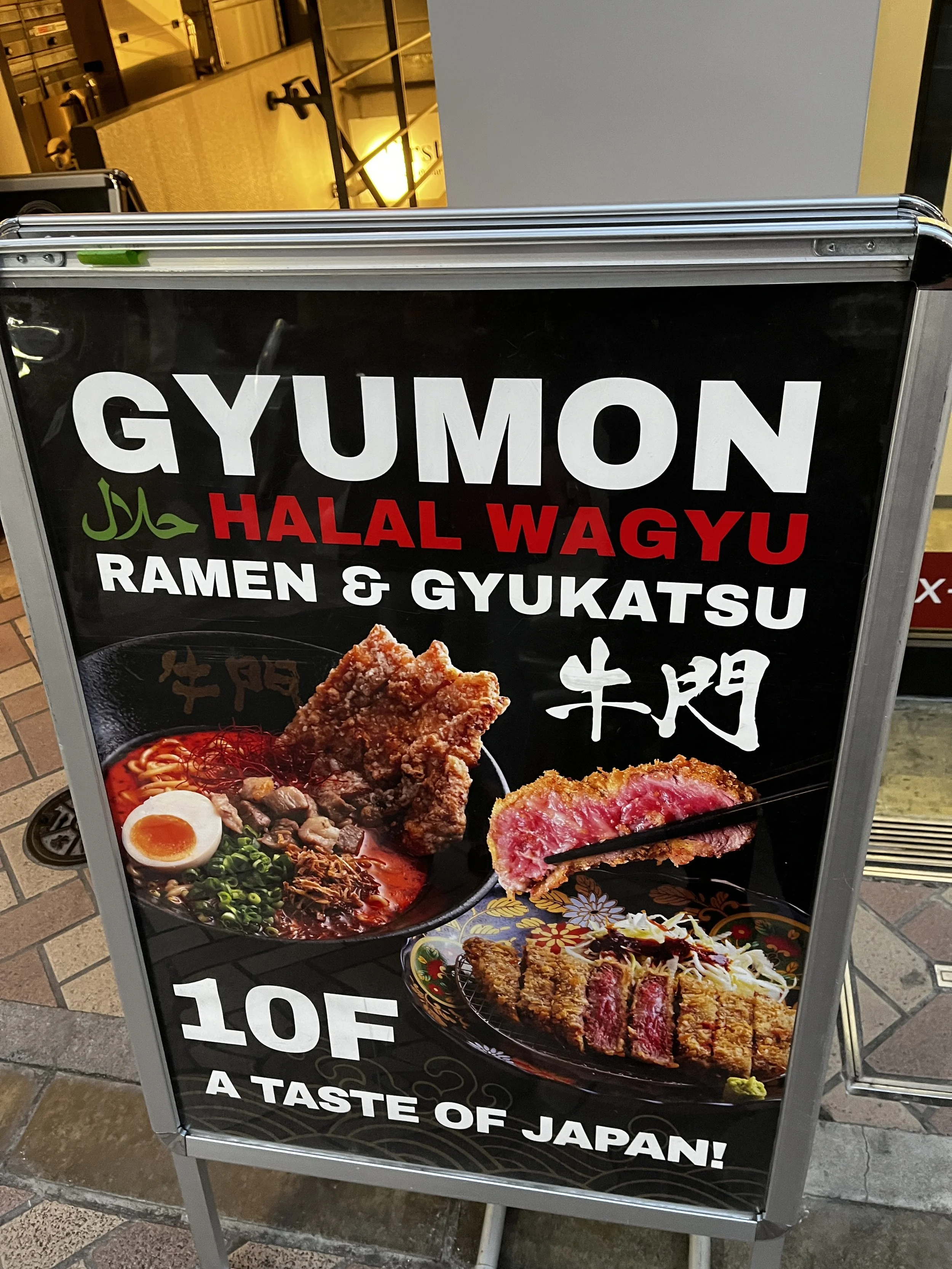
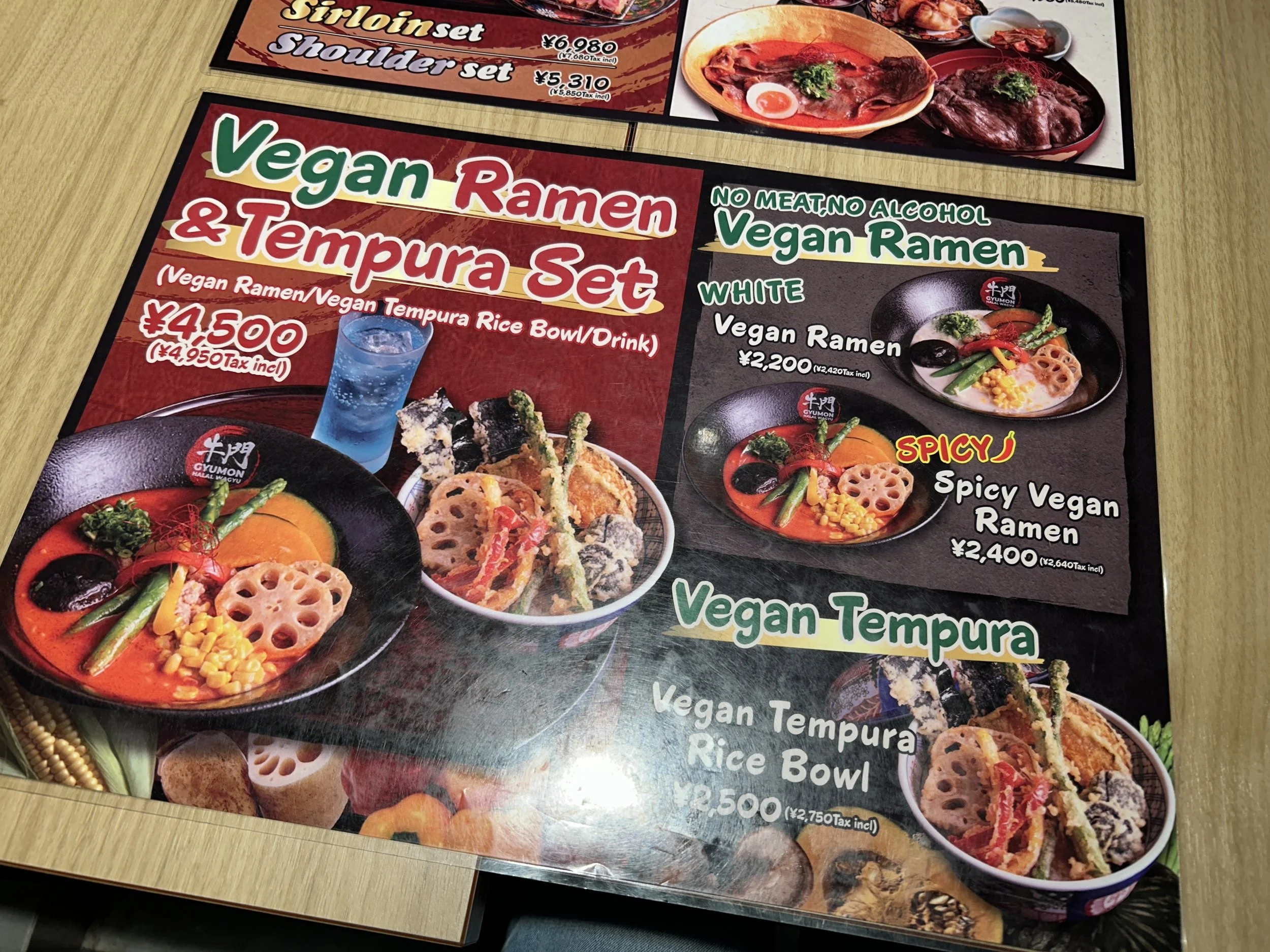
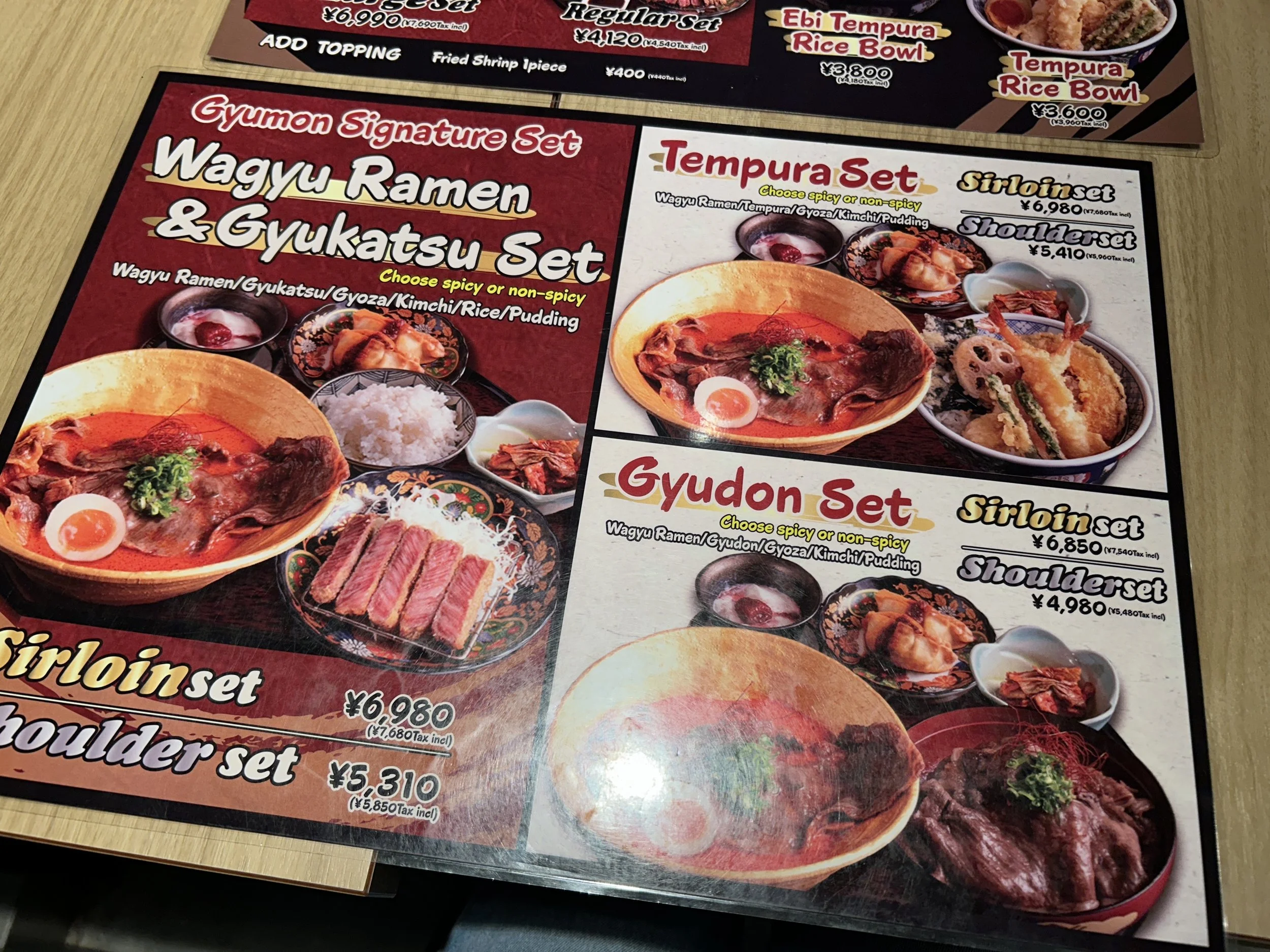
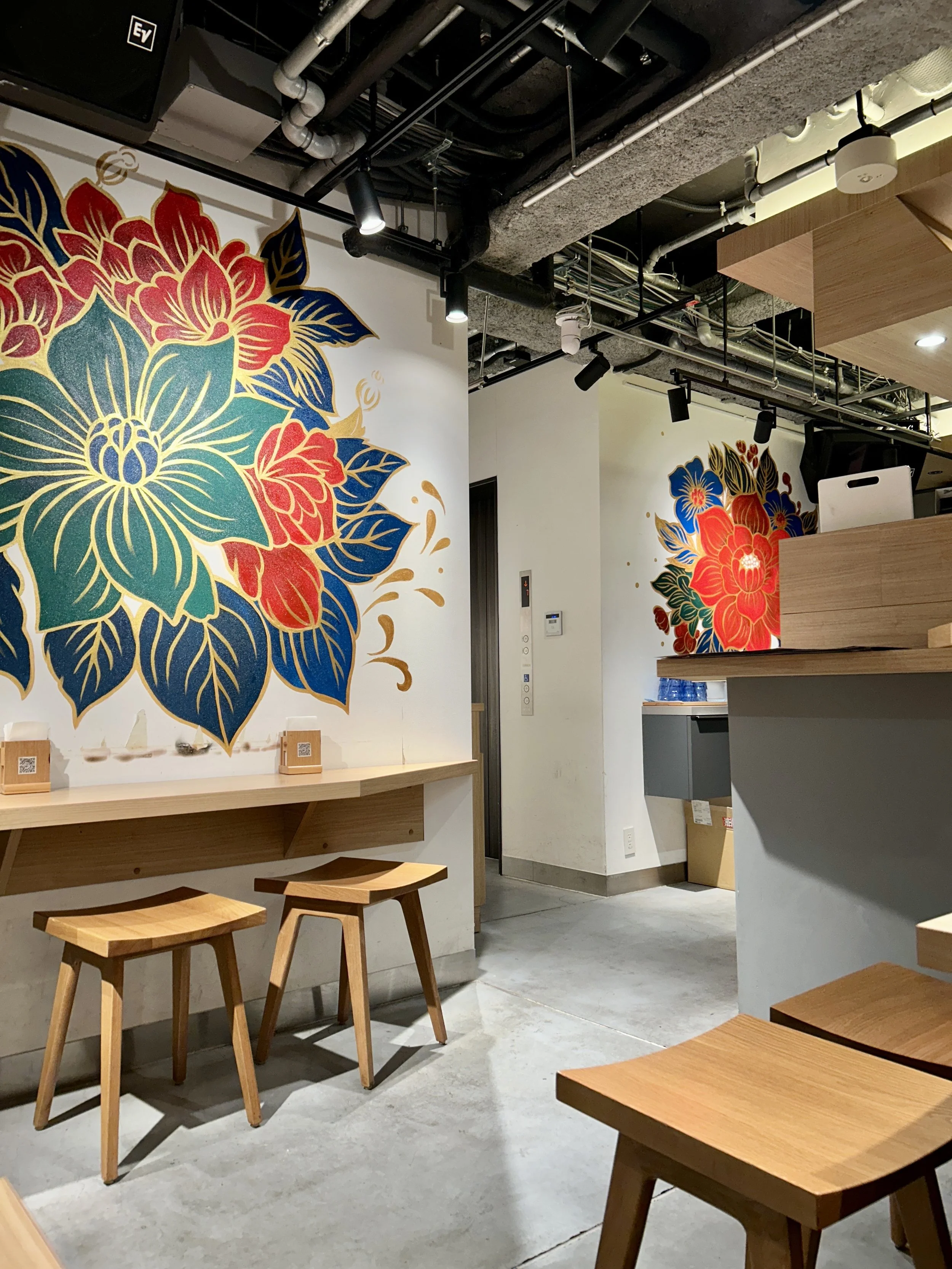
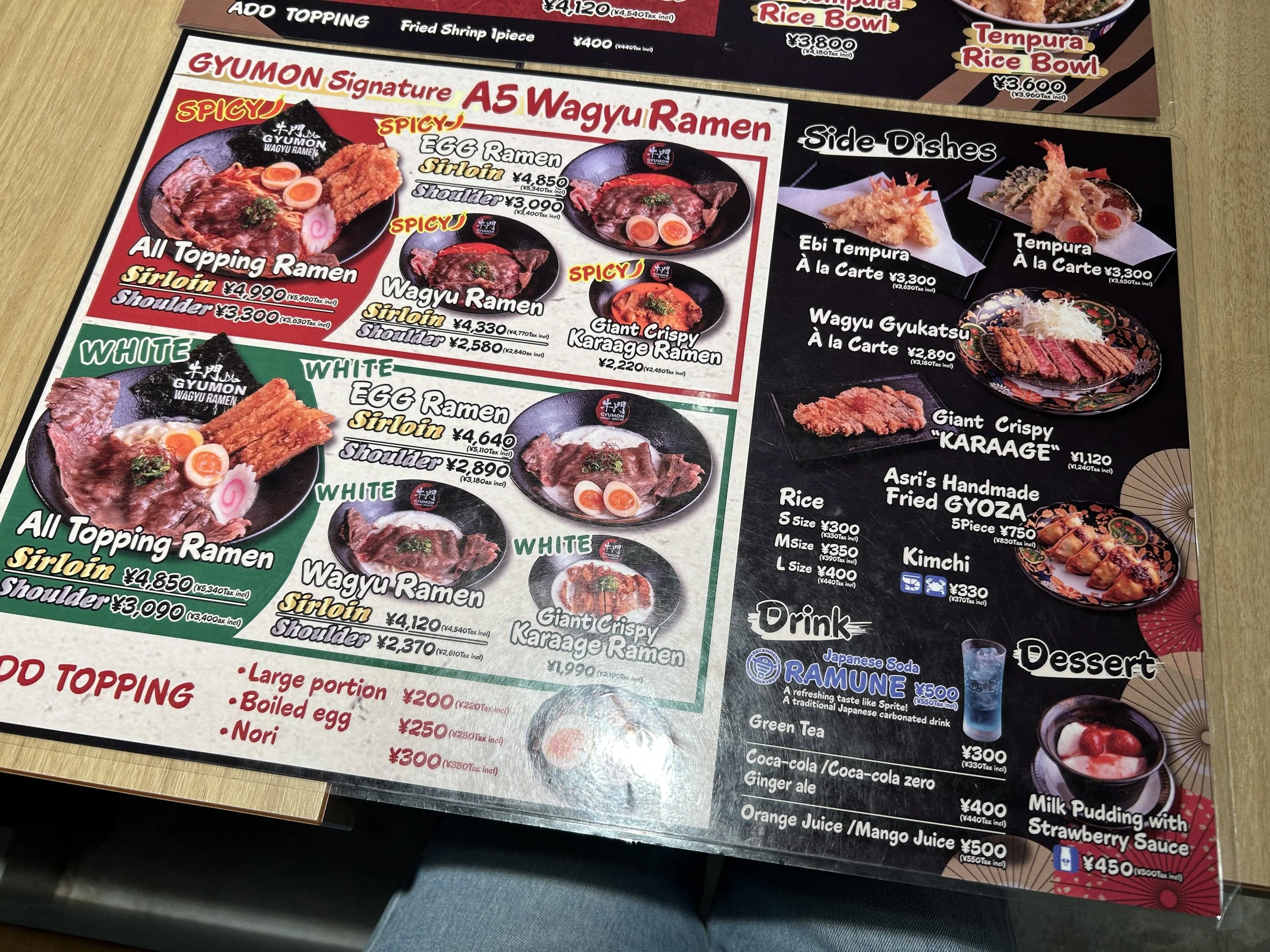
We had tickets to see The Beths at WWWX, a venue in Shibuya. Looking at my trusty map, I saw it was right by two flags I’d pinned: one was Aubrey House, and across the street, a halal wagyu ramen restaurant.
For those of you who don’t know, “halal” is like the Muslim version of kosher. Just like kosher food, it’s based on some dumb religious rule, but somehow that ends up making it double delicious. Don’t ask me how that works. The point is that I love halal food and I love wagyu and I love ramen, so I always wanted to try this. I expected something not quite as special as the $100 ramen at Mashi no Mashi, but somewhere along those lines.
We took the train to Shibuya, got out on the street, and I whipped out my phone. I typed “Halal Wagyu Ramen” and a bloop came up for Gyumon Halal Wagyu Ramen.
“Oh,” I said. “It’s just one block away.”
We walked over and found the place, on the 10th floor of a building. We headed up and were greeted with a hello in English. Uh-oh. Not again.
There was one guy behind the counter working, and one guy sitting at the counter, asleep. At one table was a woman with a suitcase next to her who was FaceTiming as she ate. That was the entire restaurant other than us. At one point, two other people showed up, but they left.
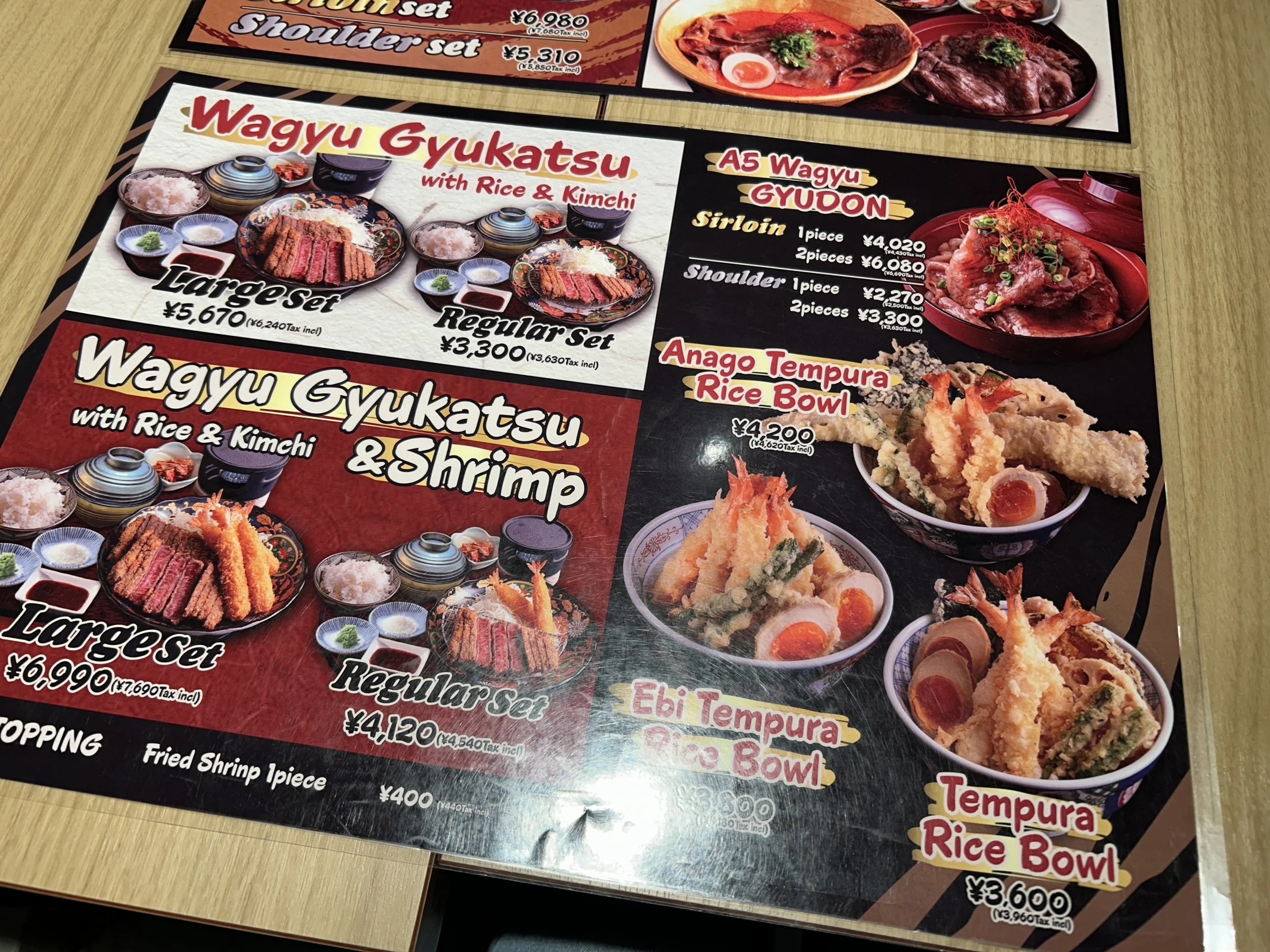
We got our menus and took a look at them. It was then that I realized.
“Oh,” I said. “This isn’t the place.”
Looking at my phone, I realized what I’d done. I’d searched for Halal Wagyu Ramen without realizing there are TWO such places in Shibuya, and I had intended to go to the other one.
But we were already there, so we went ahead and ordered, hoping for the best out of what we realized was a tourist trap.
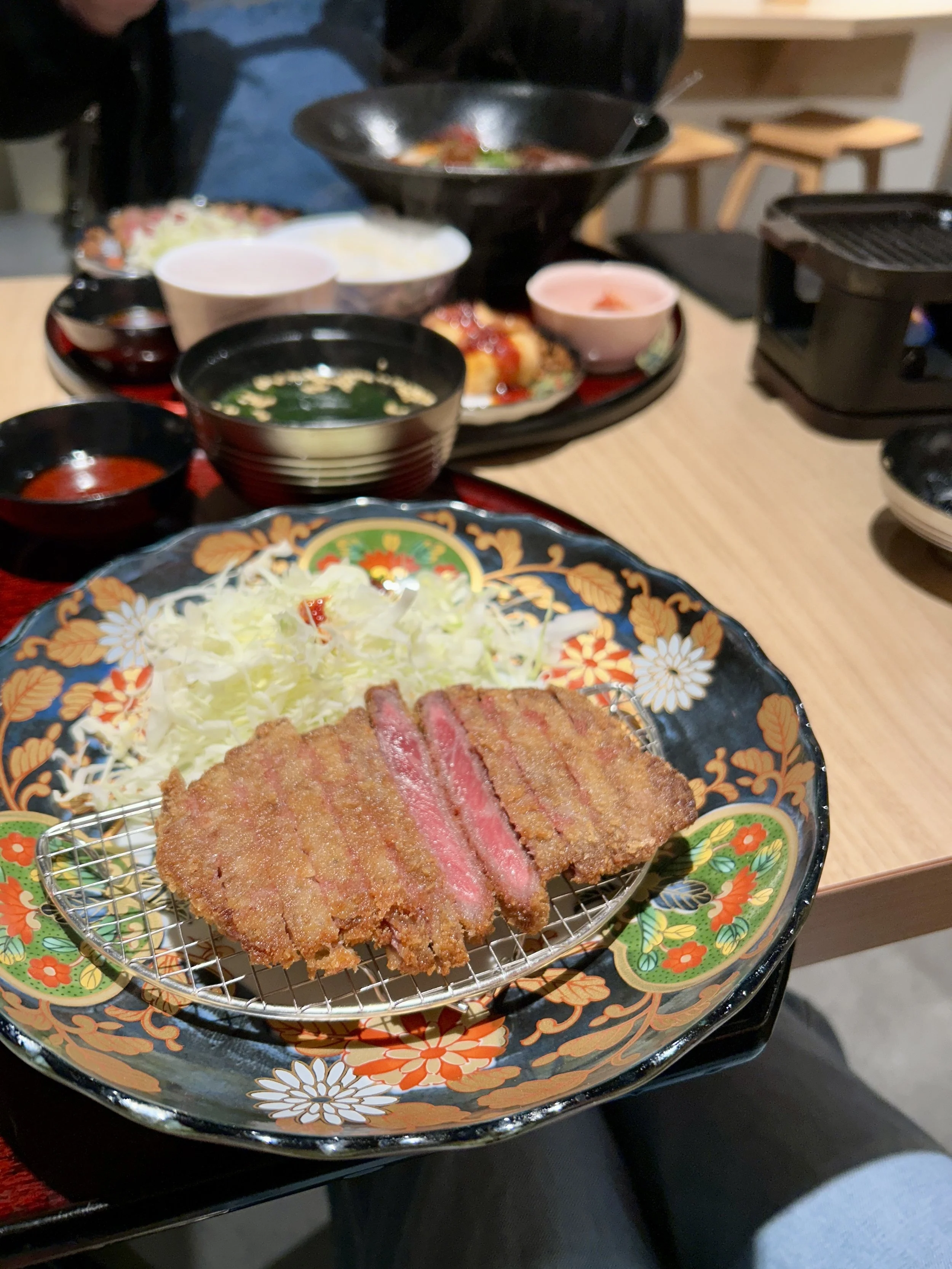
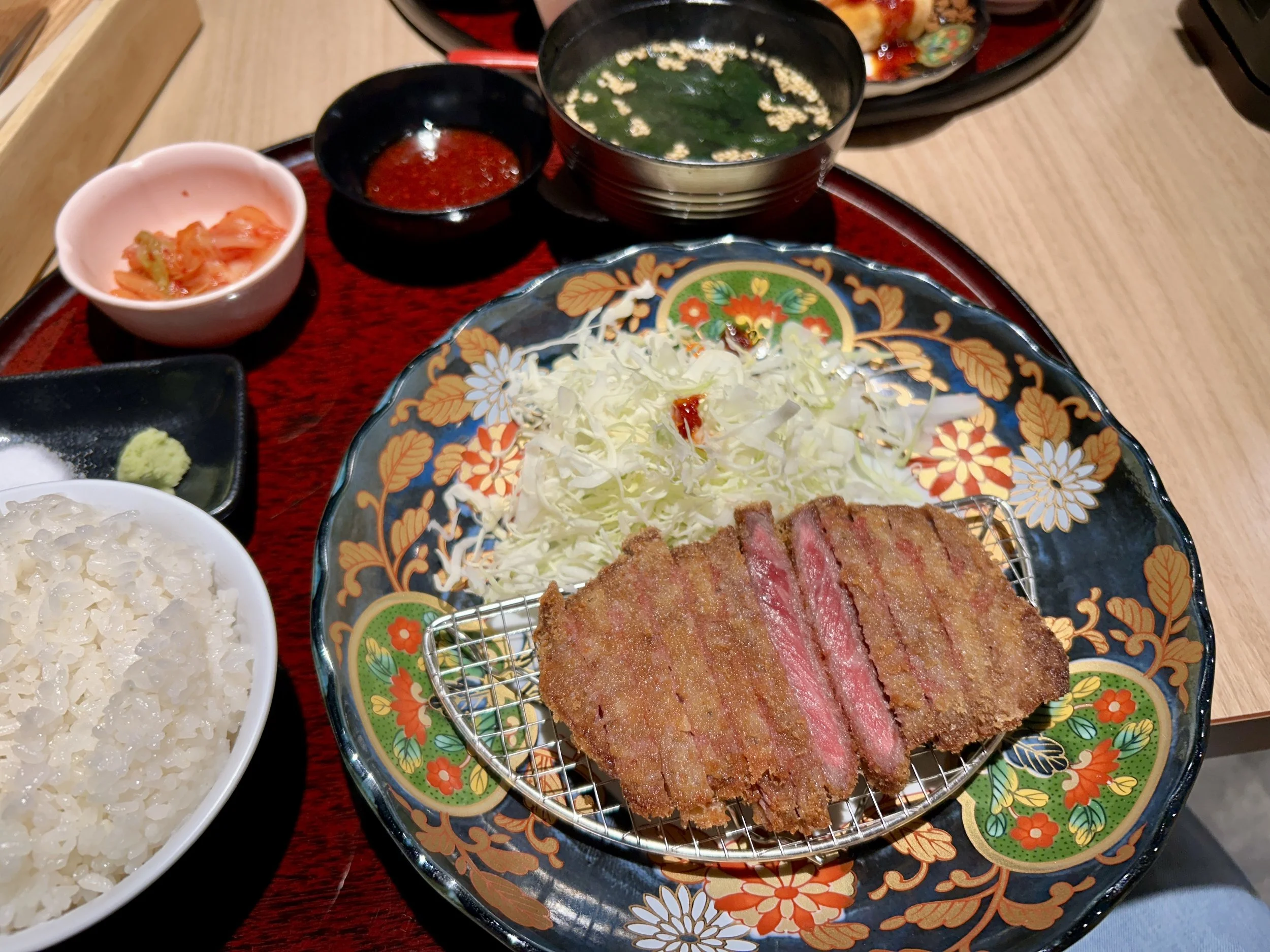
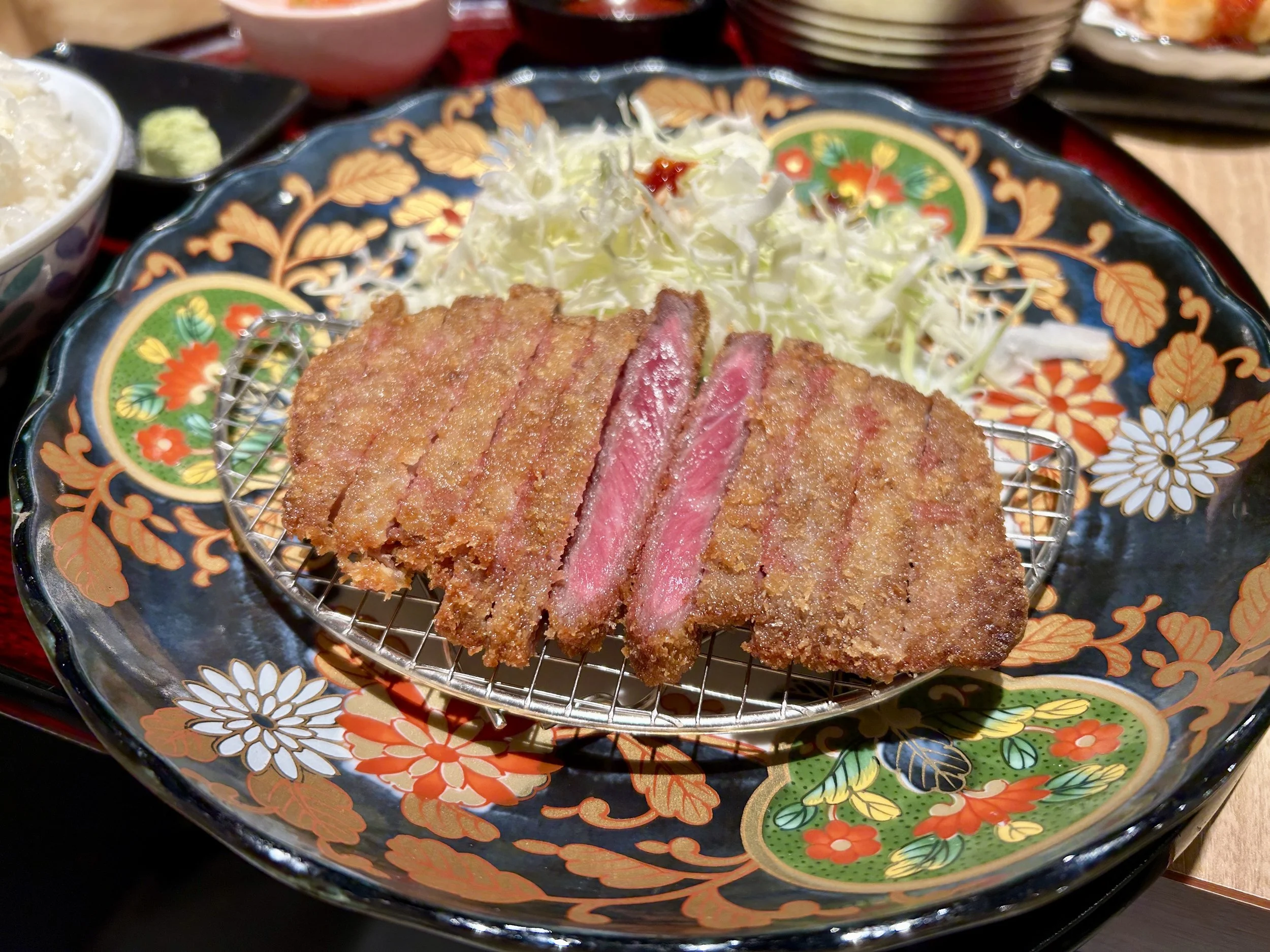
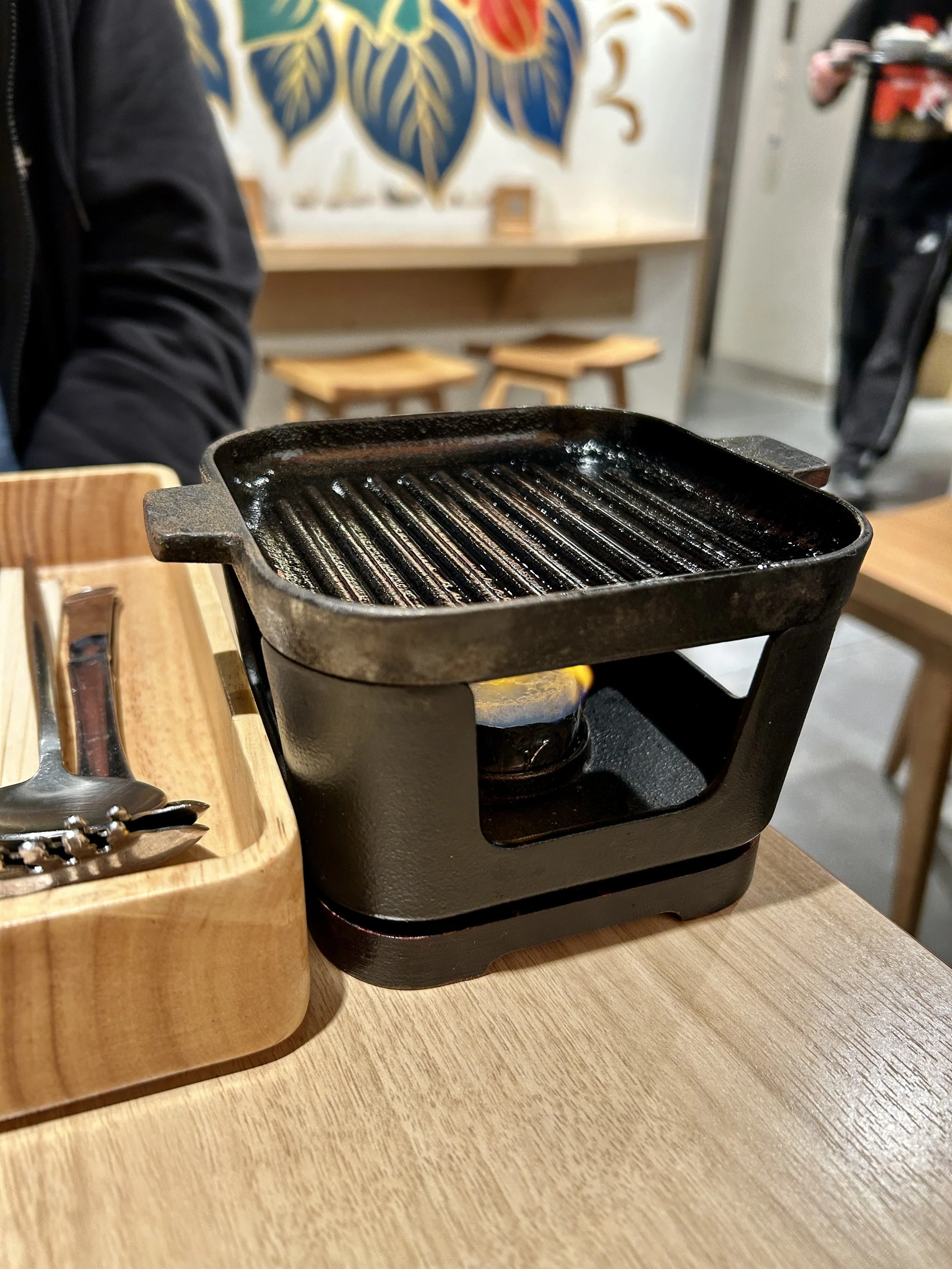
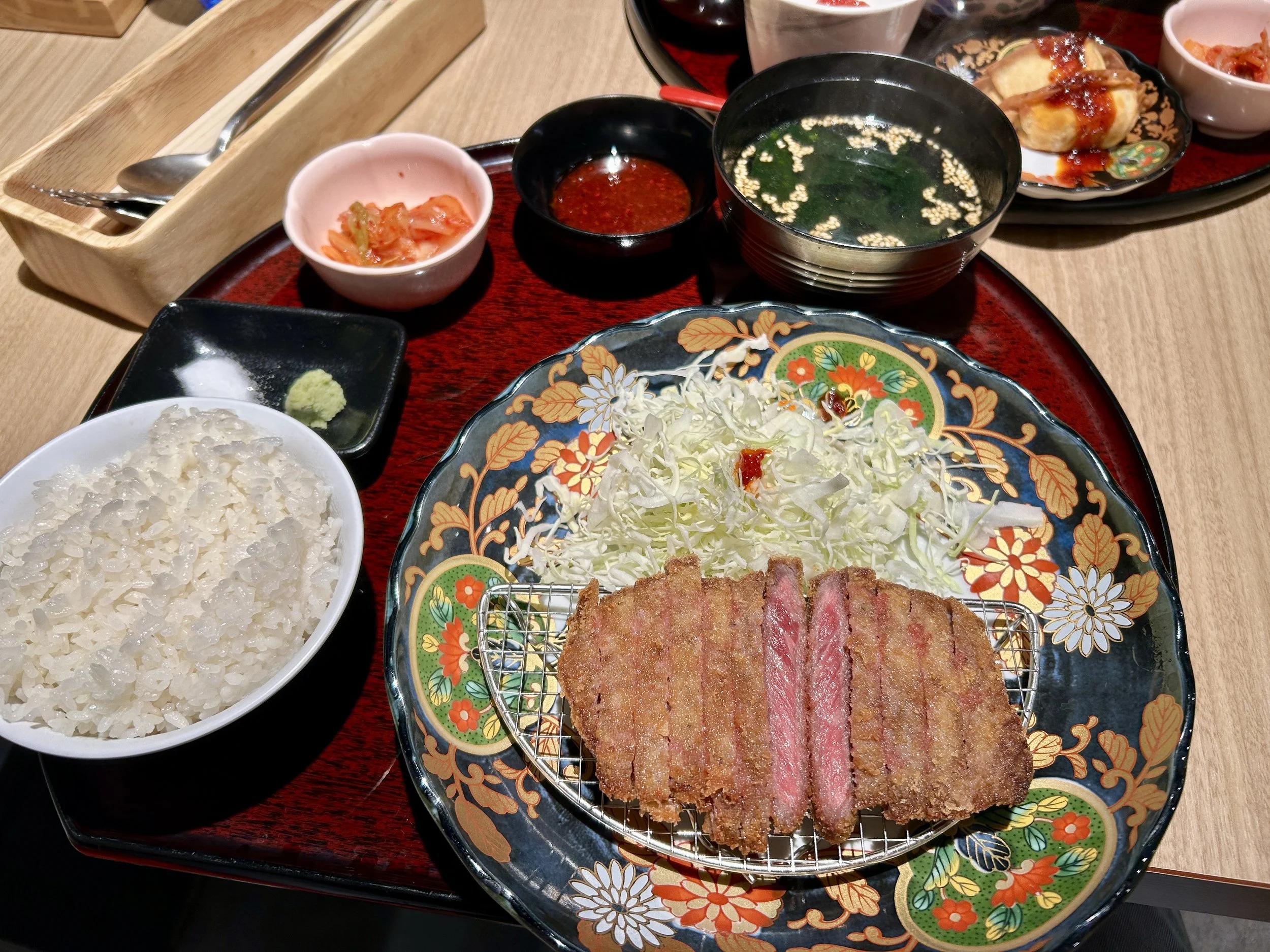
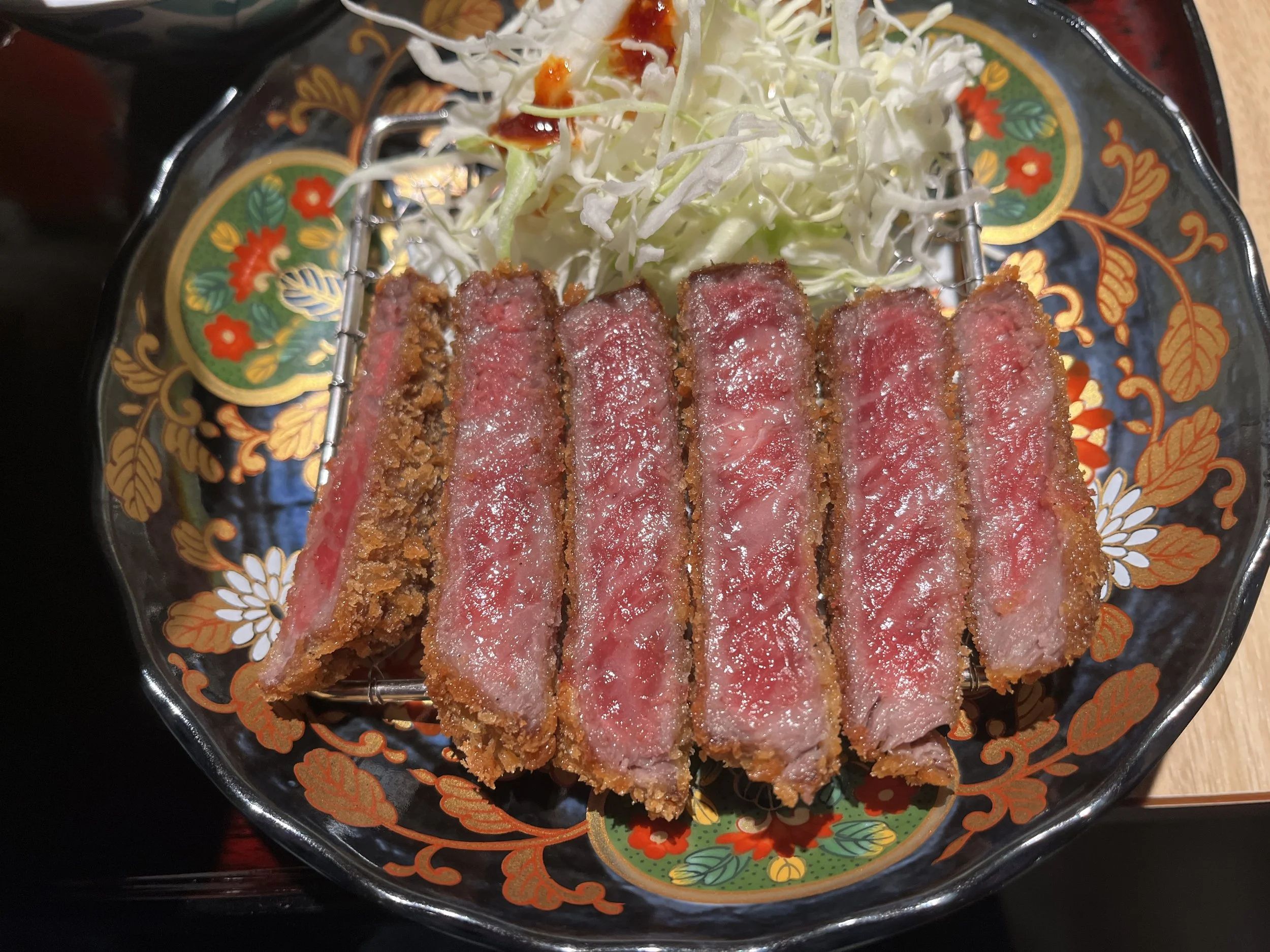
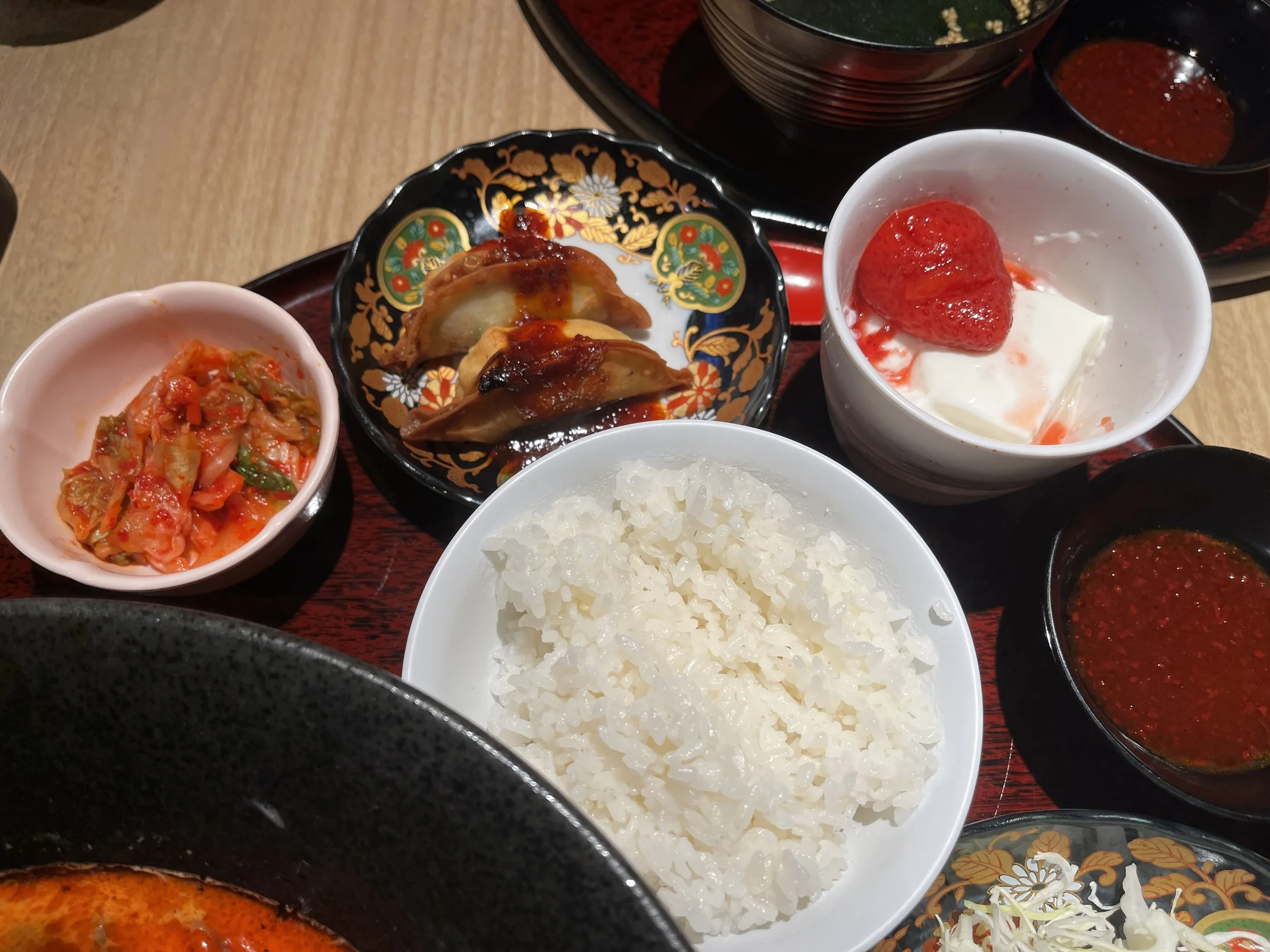
Eriko got the gyukatsu, and I also got some in the combo meal I ordered. Hers came with an unnecessary soup, a red sauce that wasn’t explained, some unnecessary kimchi, a bowl of rice, unnecessary salad, and decent-looking beef to be cooked on a little candle cooker they put on the table.
To know: you need to cook the beef on that thing. This is not high-quality enough stuff to eat without cooking. Also, Eriko got wasabi and salt to put on her beef, but I didn’t. It really needed the salt. After she put some salt on mine, it tasted really good, but without it, there wasn’t much flavor. Overall, pretty tasty, but I don’t know if the katsu adds much to steak.
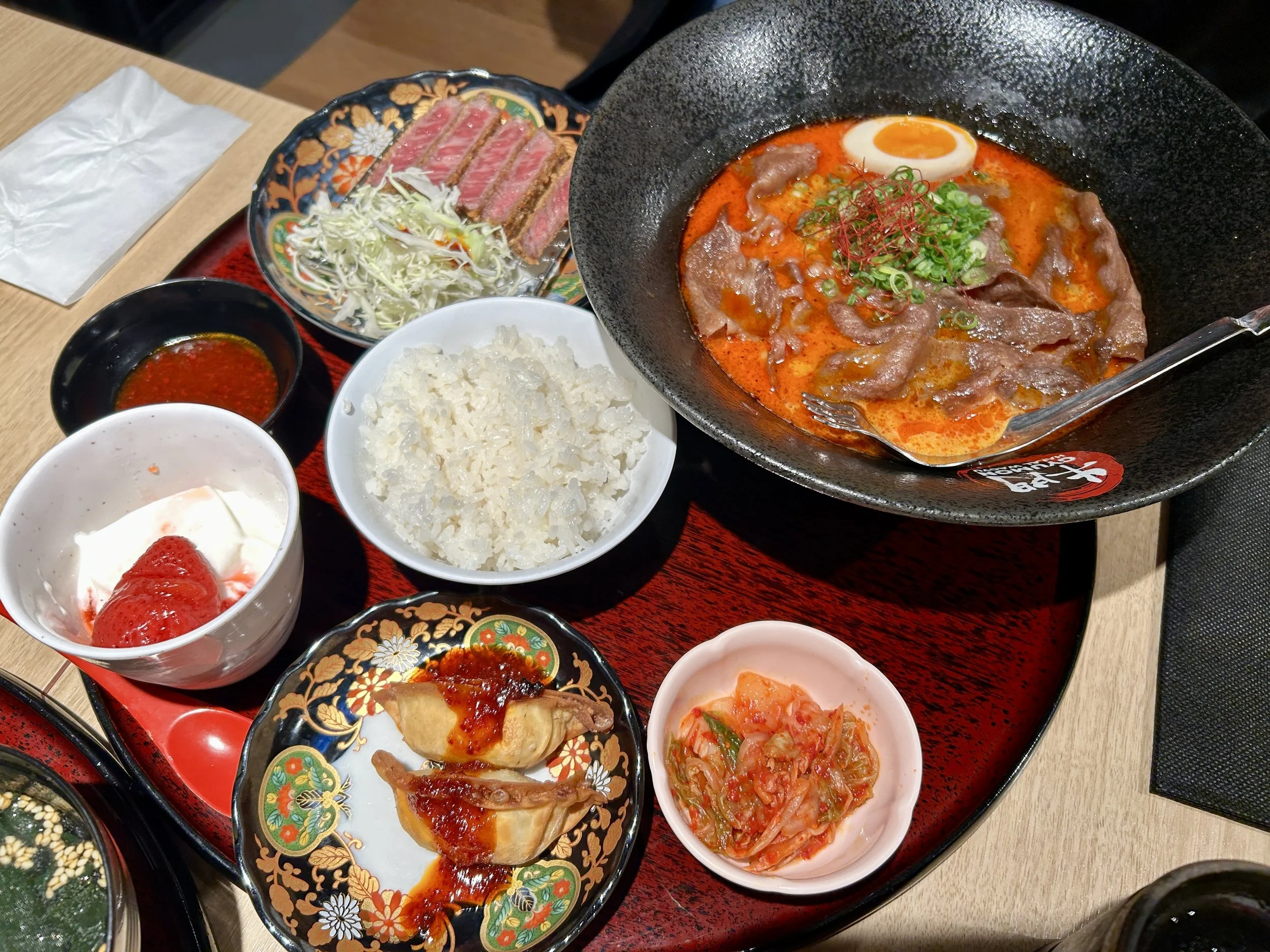
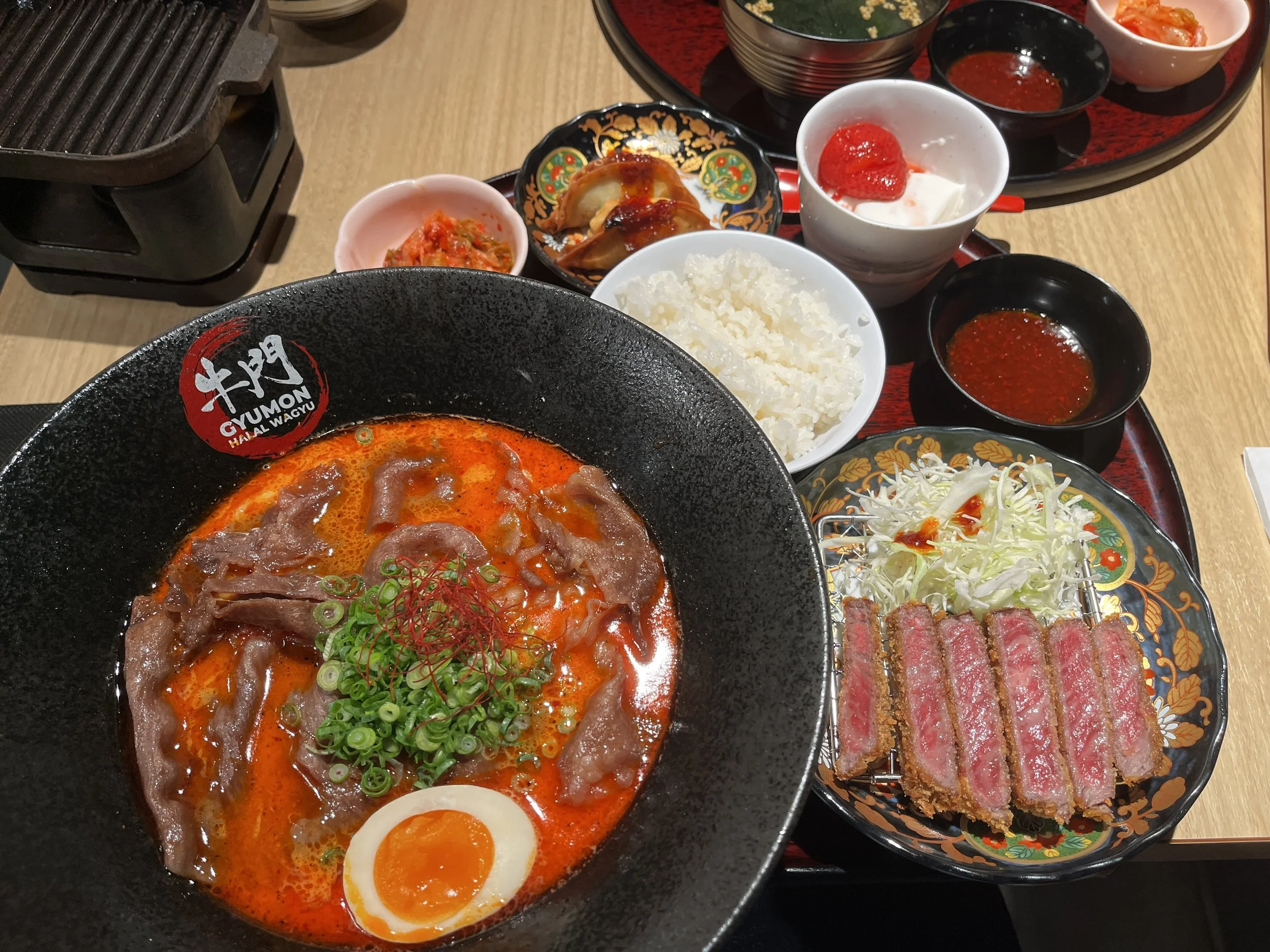
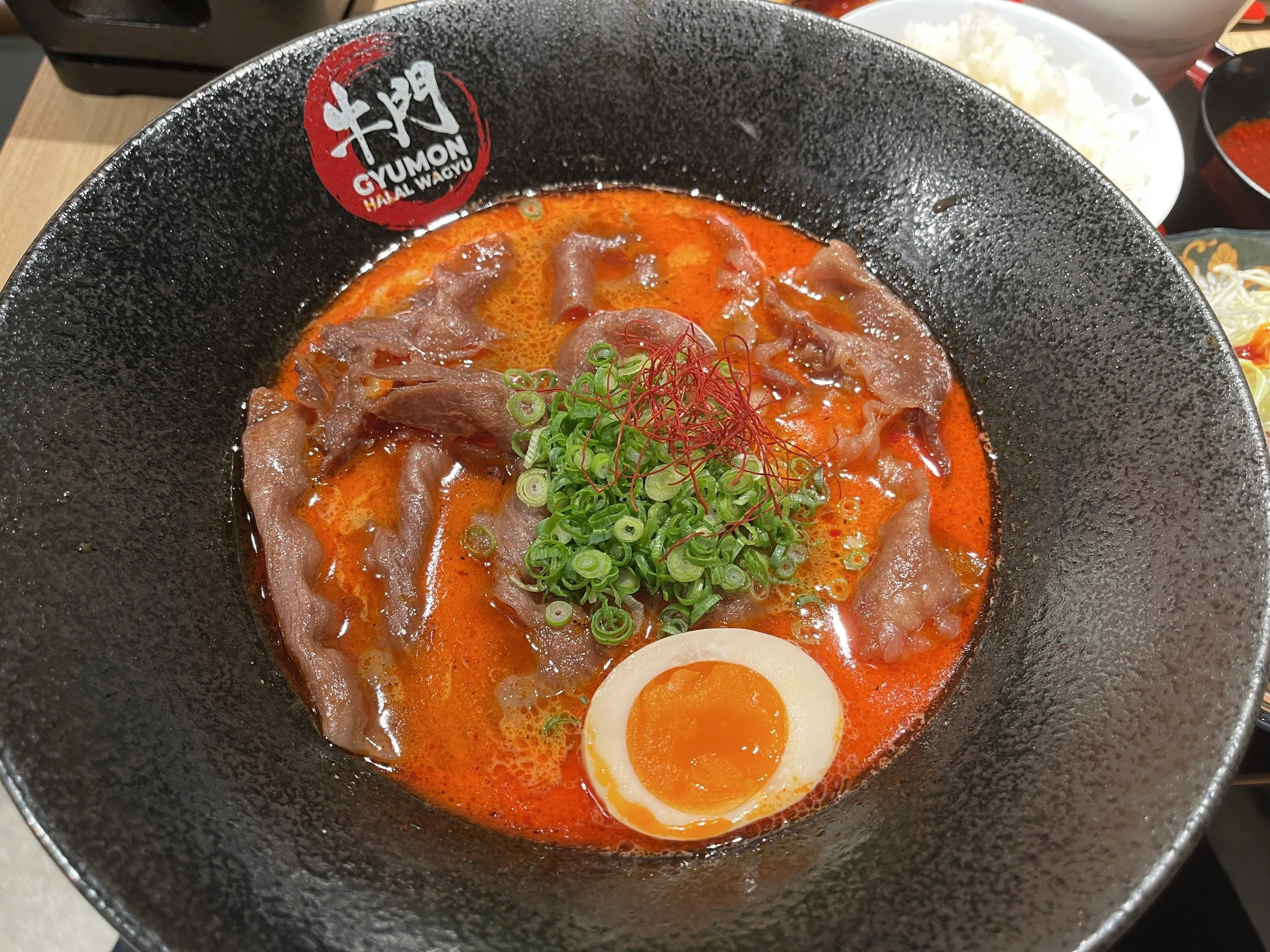
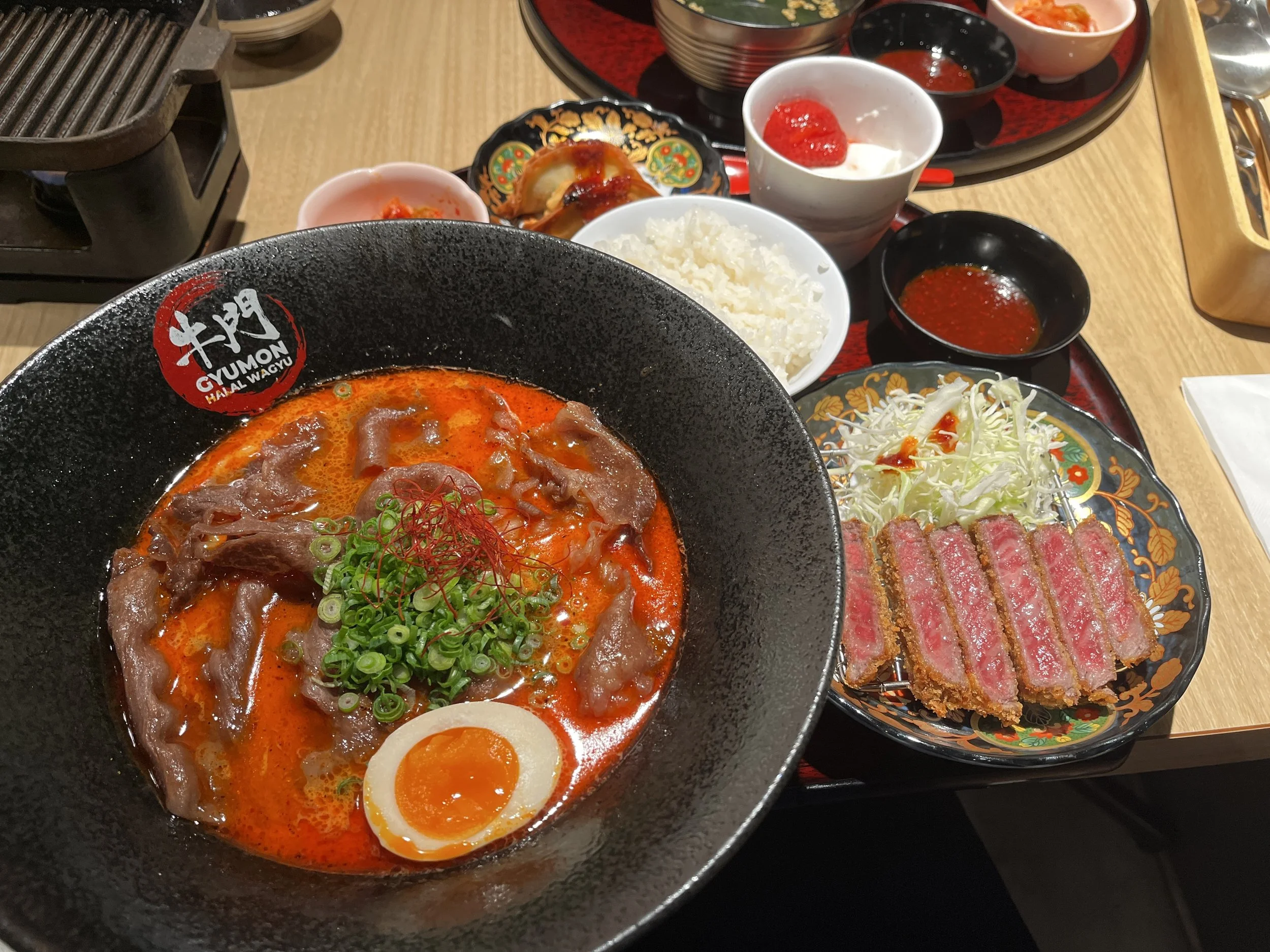
There were two types of ramen: white and spicy. That’s odd. I went with the spicy combo meal, but wasn’t given the choice of how spicy to get it.
On top of the ramen was a slice of sirloin (which I had to pay extra for). One taste of this thing, and I realized the advertisement of “wagyu” was not misleading. This thin slice was absolutely delicious. Way better than your normal beef. This bit on top was the best part of my meal, for sure.
The spicy ramen itself was good, but didn’t taste like wagyu, just like a spicy ramen. Same for the fried gyoza, which were okay but unremarkable. I didn’t touch the kimchi, but the dessert of a strawberry pudding was really good.
Overall, the food was just okay. That one slice was amazing, and the gyukatsu and ramen were all right, but the final total (including drinks) was 12,500 yen. That’s $80. It definitely wasn’t worth that. We could have gone to Aubrey House or Tutu Focaccia & Wine twice for that amount. These are the problems you encounter when you eat in Shibuya.
Conclusion: should you pay extra for wagyu in Japan?
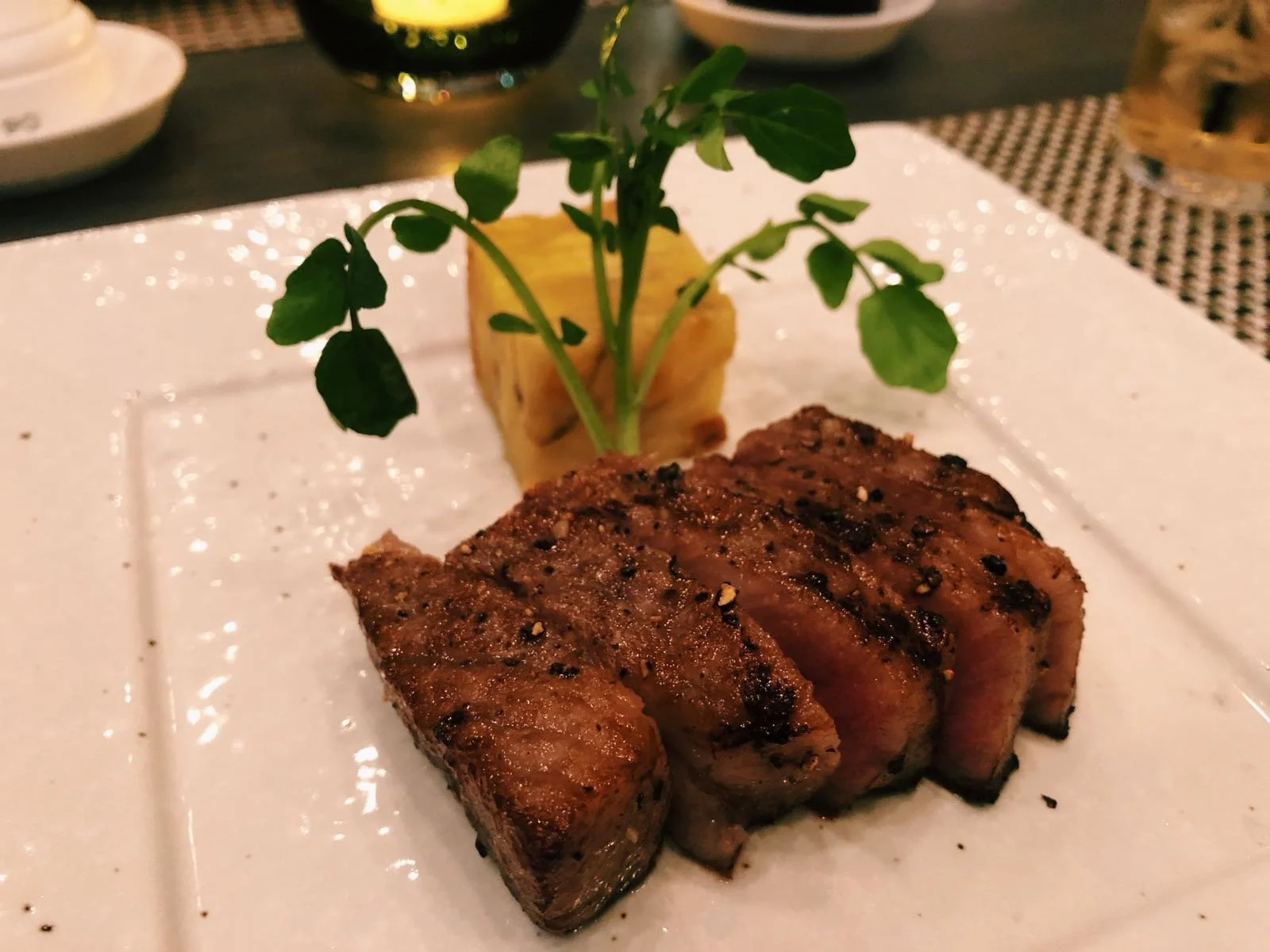
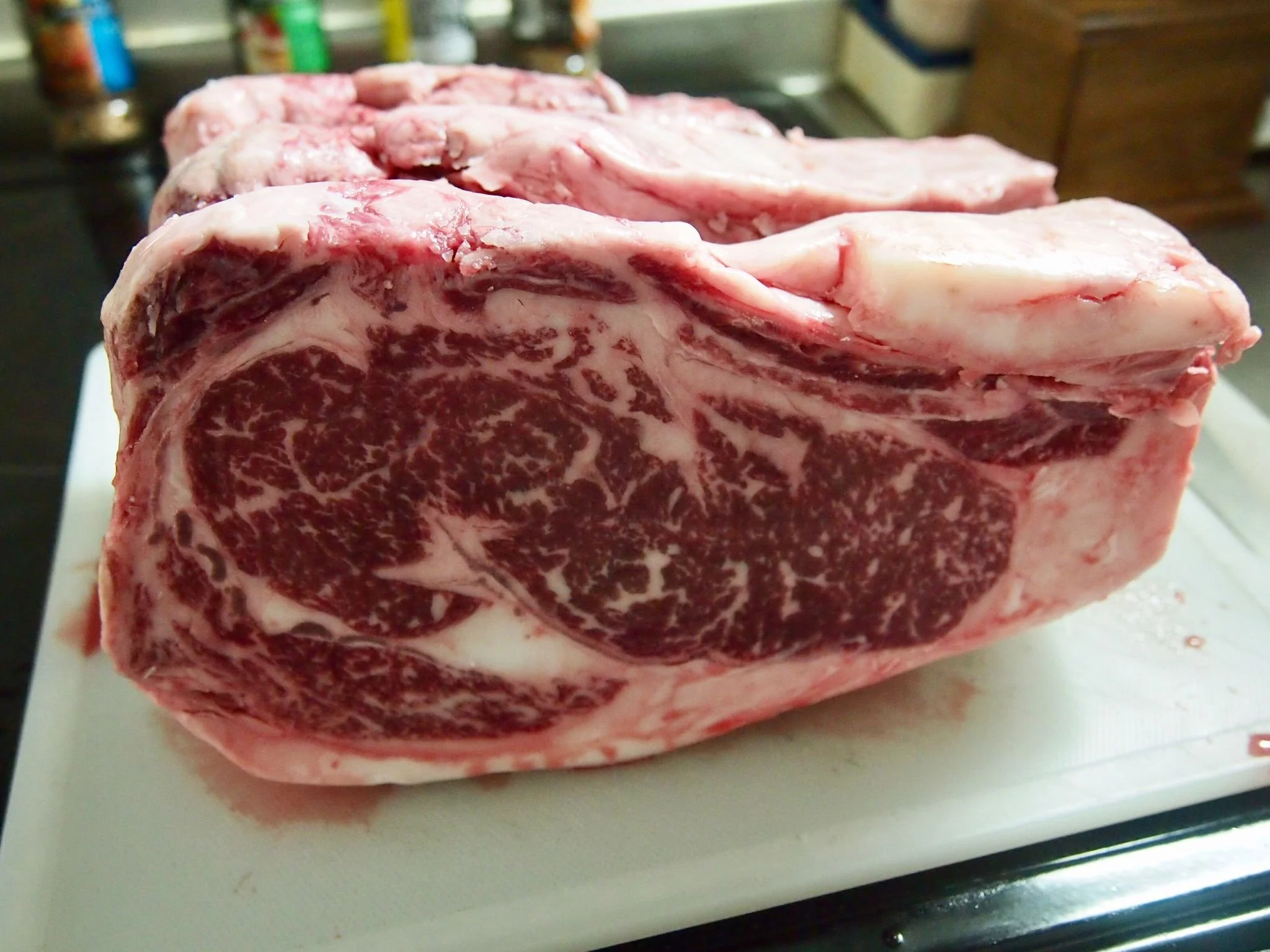
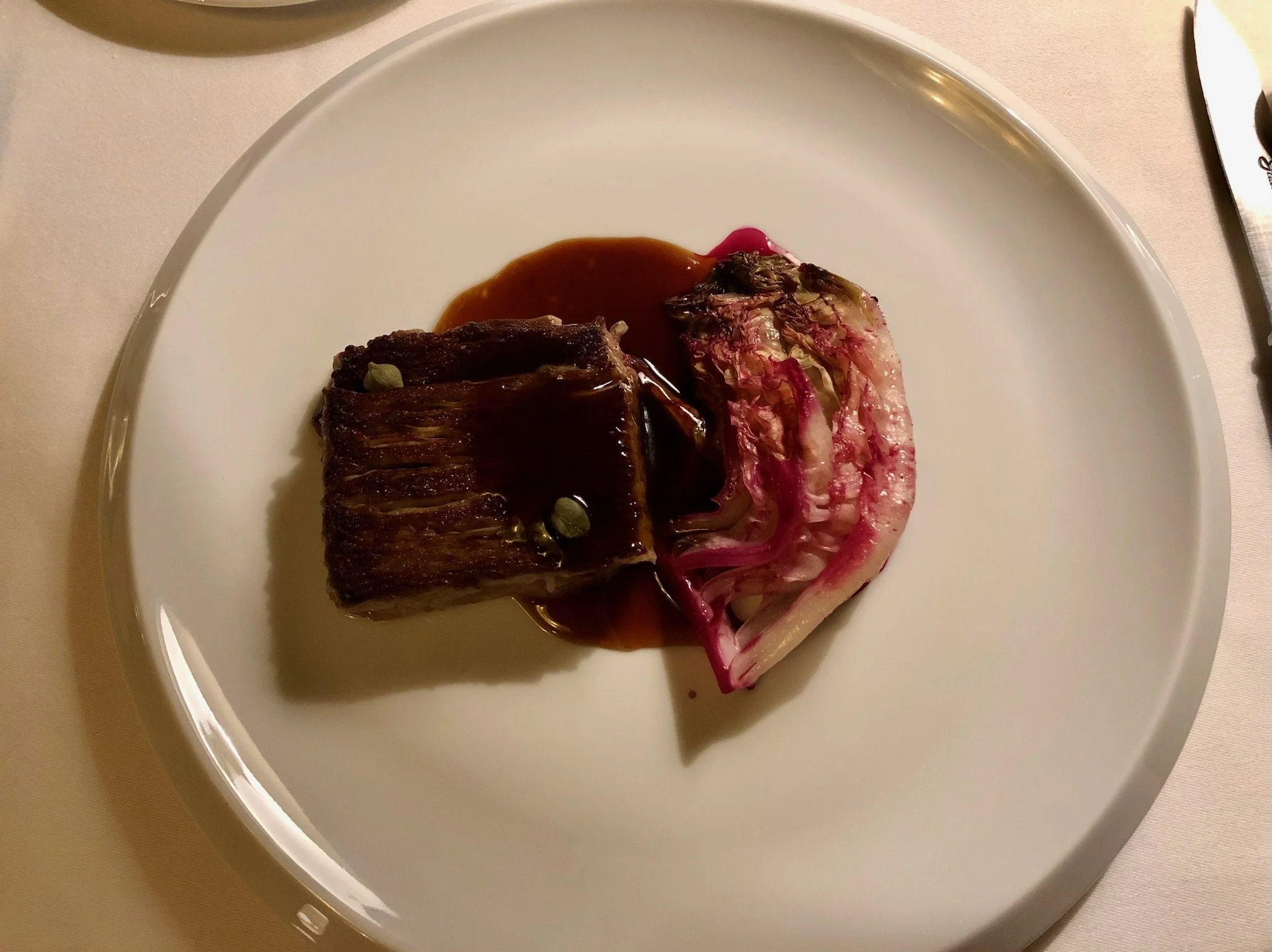
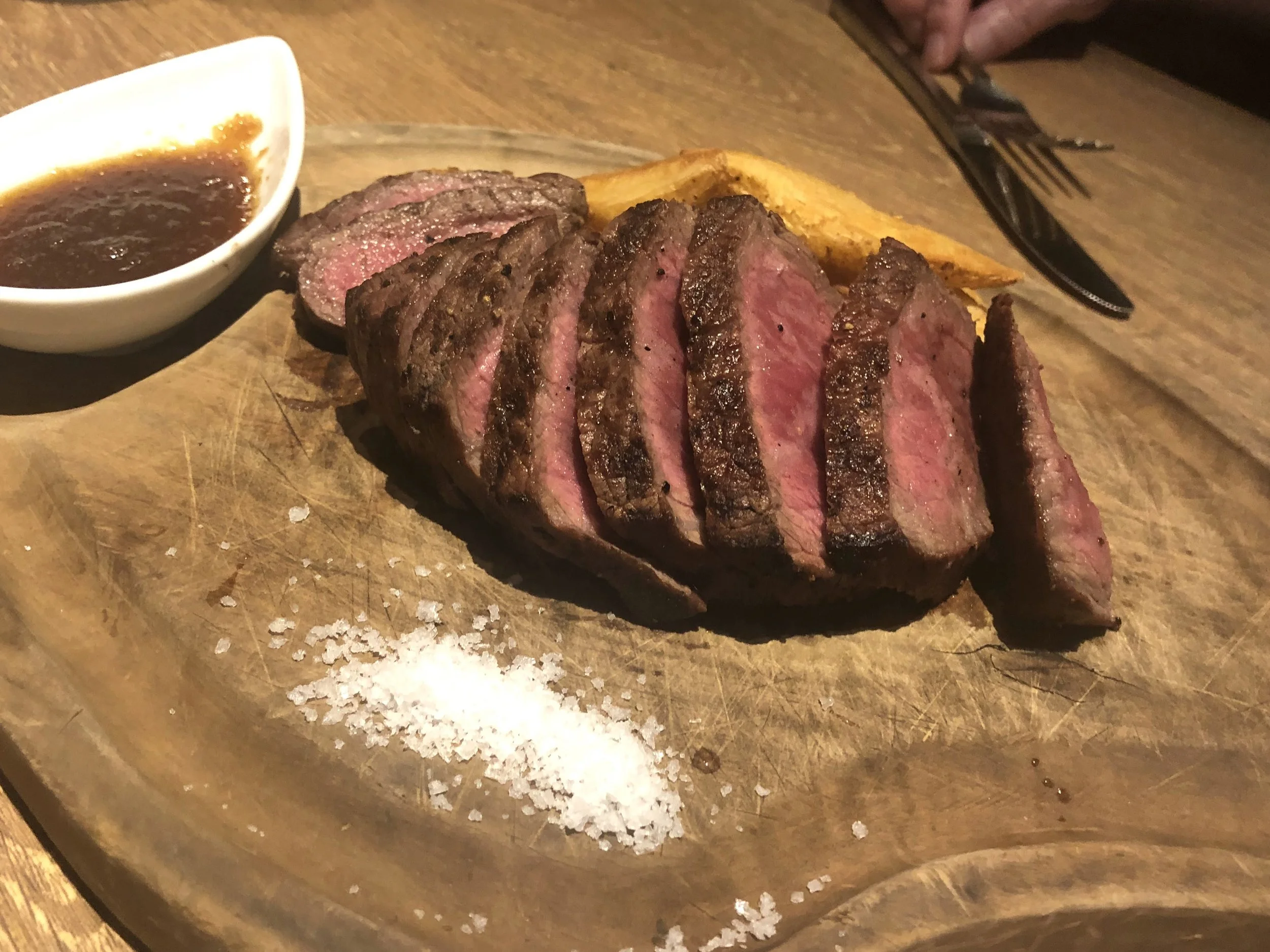
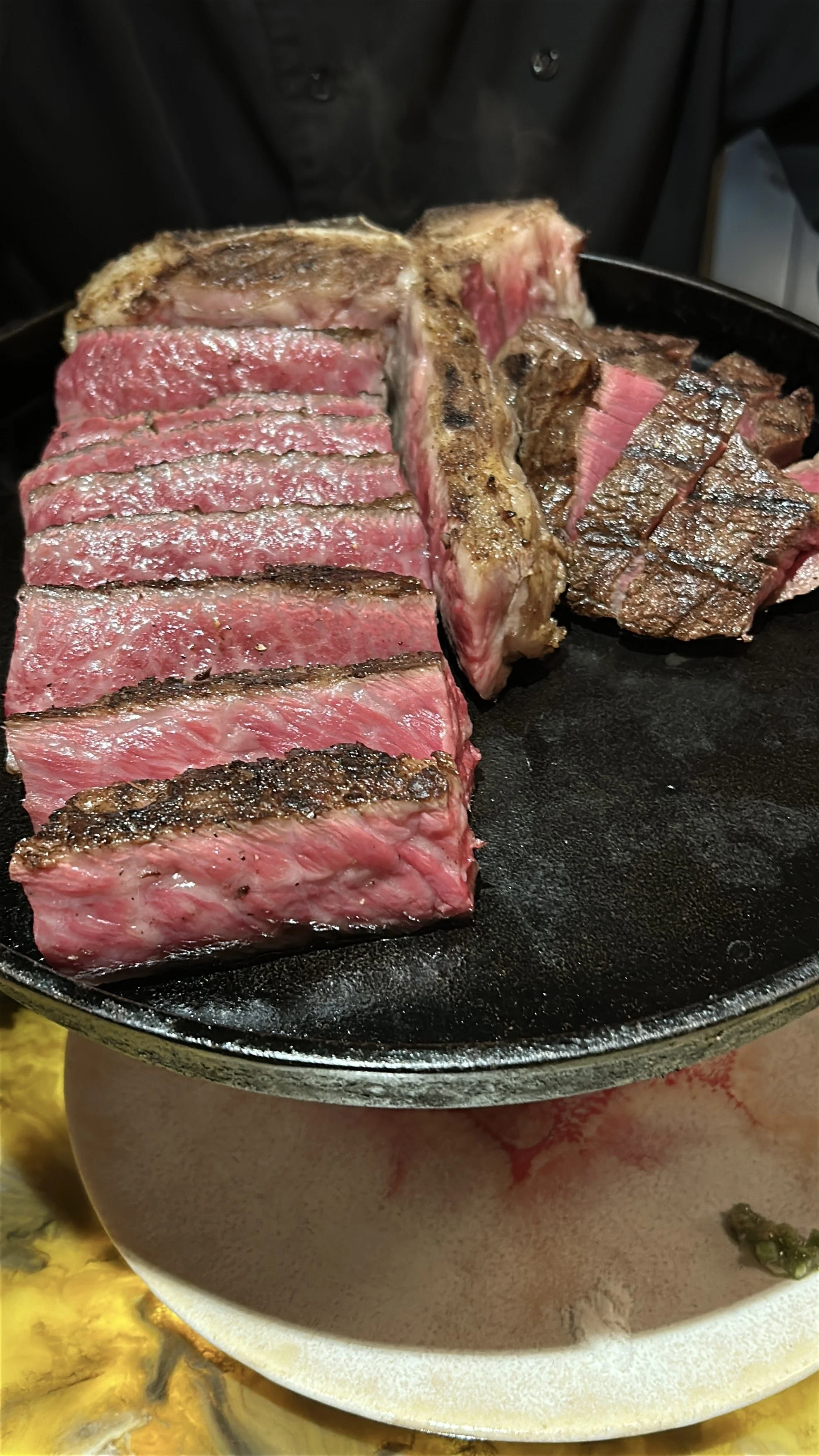
This is a tough call, but for me, there’s just too much variance in the brand-name “Wagyu” to make it worth it. You might be stumbling into a tourist trap, getting a lesser version that’s barely different from your normal steak, or just plain lied to. While you can usually trust the Kobe beef moniker in Japan, you can’t trust something just because it says wagyu.
There are, of course, some great places to eat wagyu in Tokyo. The ramen at Mashi no Mashi is absolutely worth its high price, as is the steak at T Nakameguro and Gracia Gastrobar. But those places are upper-echelon, and you have to know about them beforehand; you can’t just hope to stumble in anywhere that says “wagyu” and expect to get that sort of experience.
Obviously, if you end up at a restaurant that serves wagyu, go ahead and try it, but don’t think you can judge all wagyu by any one place. And if a restaurant offers a normal burger and a wagyu burger, you’re probably better off just getting the normal one. But if you have the chance to try olive wagyu, omi beef, or one of the many kinds of Kobe beef, you will be able to taste the difference.
And if you have an extra day in the Kansai area, take a trip down to Kobe. Maybe go to Wakkoqu. You’ll be glad you did. And next time you’re at a restaurant in America offering a cheap “Kobe burger,” ask them for the marbling score and watch their faces as they cry and admit to their LIES.