Best Books to Study for the JLPT N4 Test
This post contains affiliate links. For more information, please read our affiliate disclosure.
I’ve struggled learning Japanese. I work from home, and don’t have enough opportunities to practice my Japanese with strangers. I’ve tried apps, books, and online lessons, but still, I haven’t progressed like I should. To help push myself to learn more, I signed up for the Japanese Language Proficiency Test (JLPT).
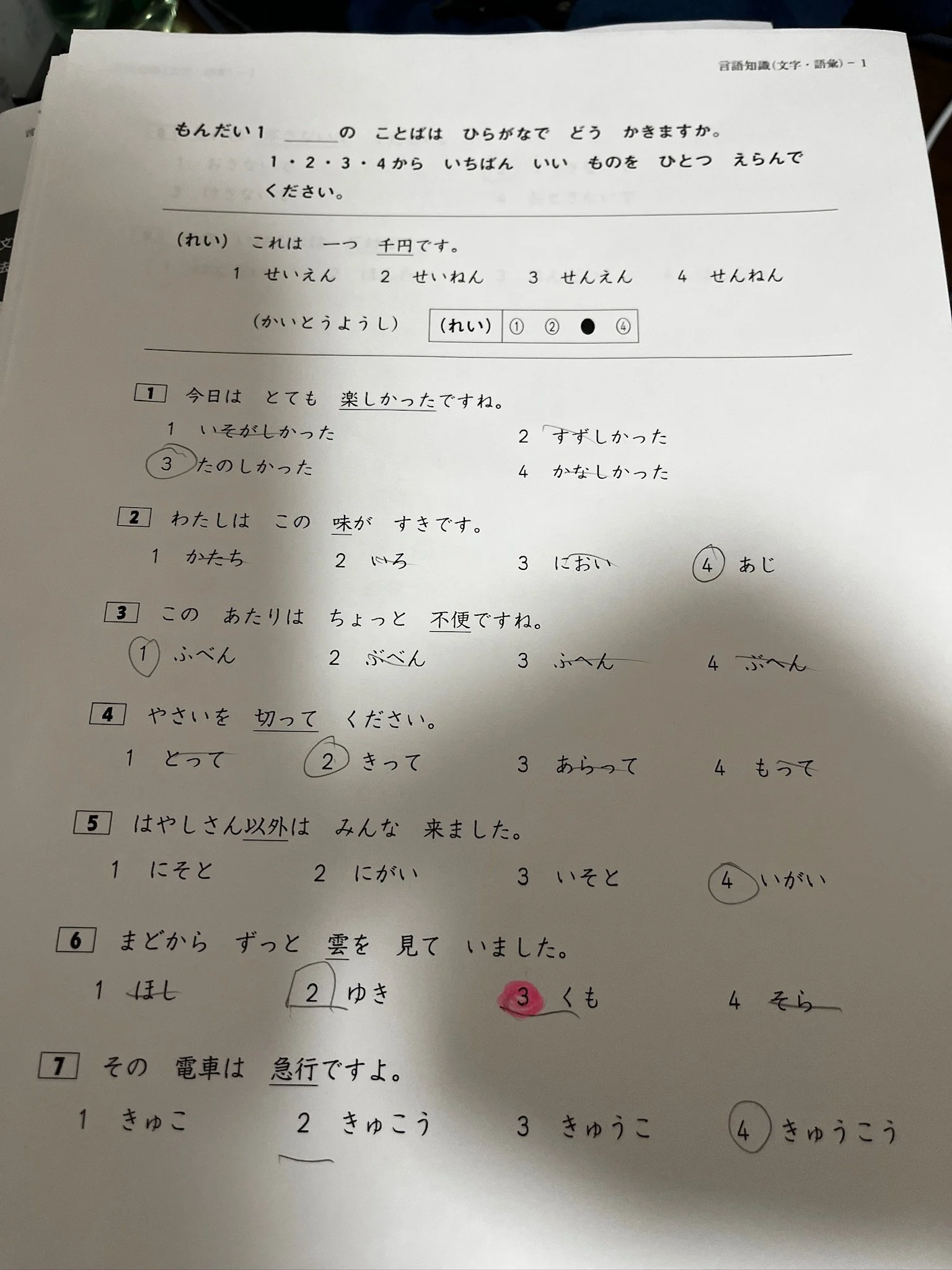
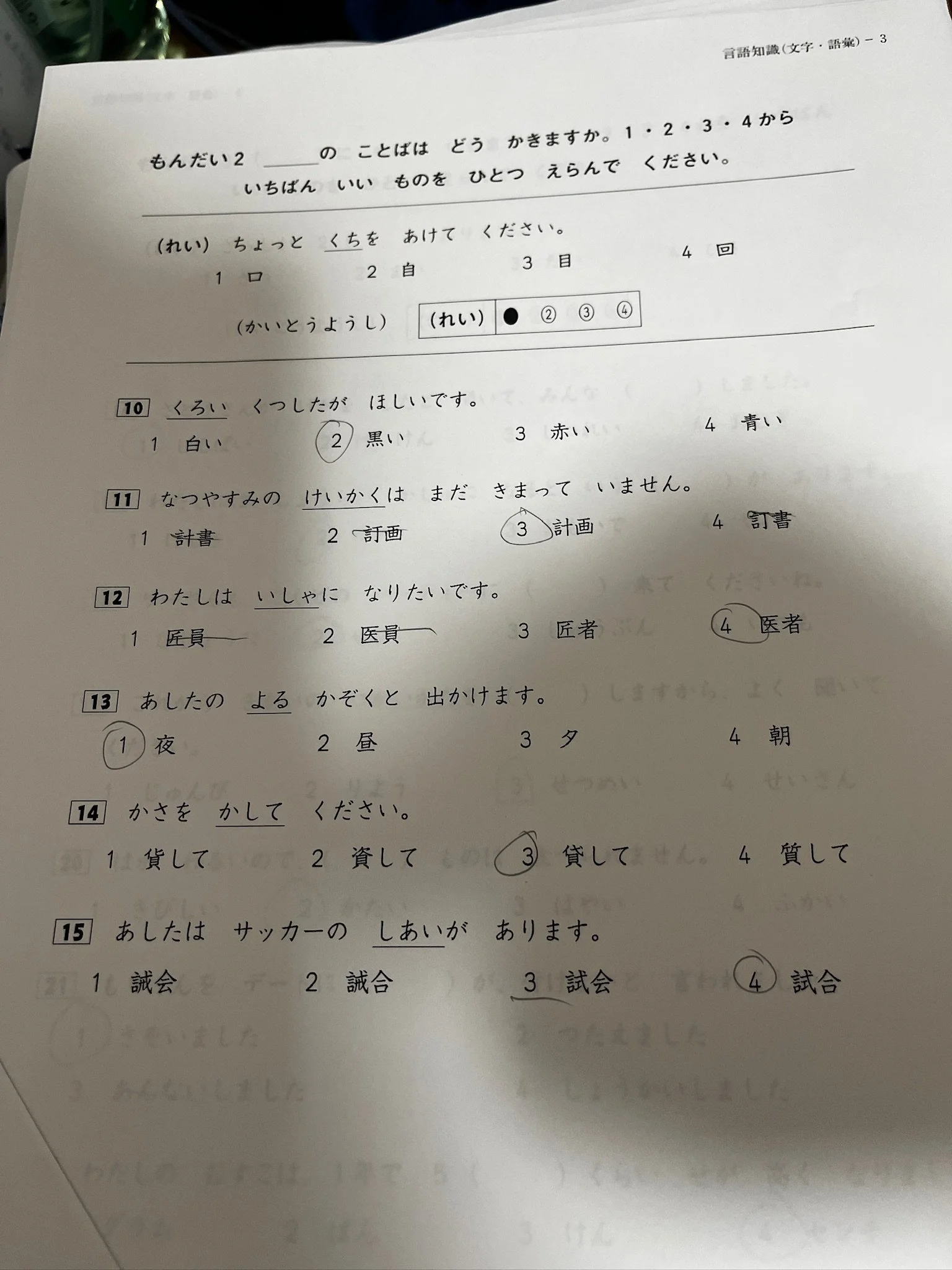
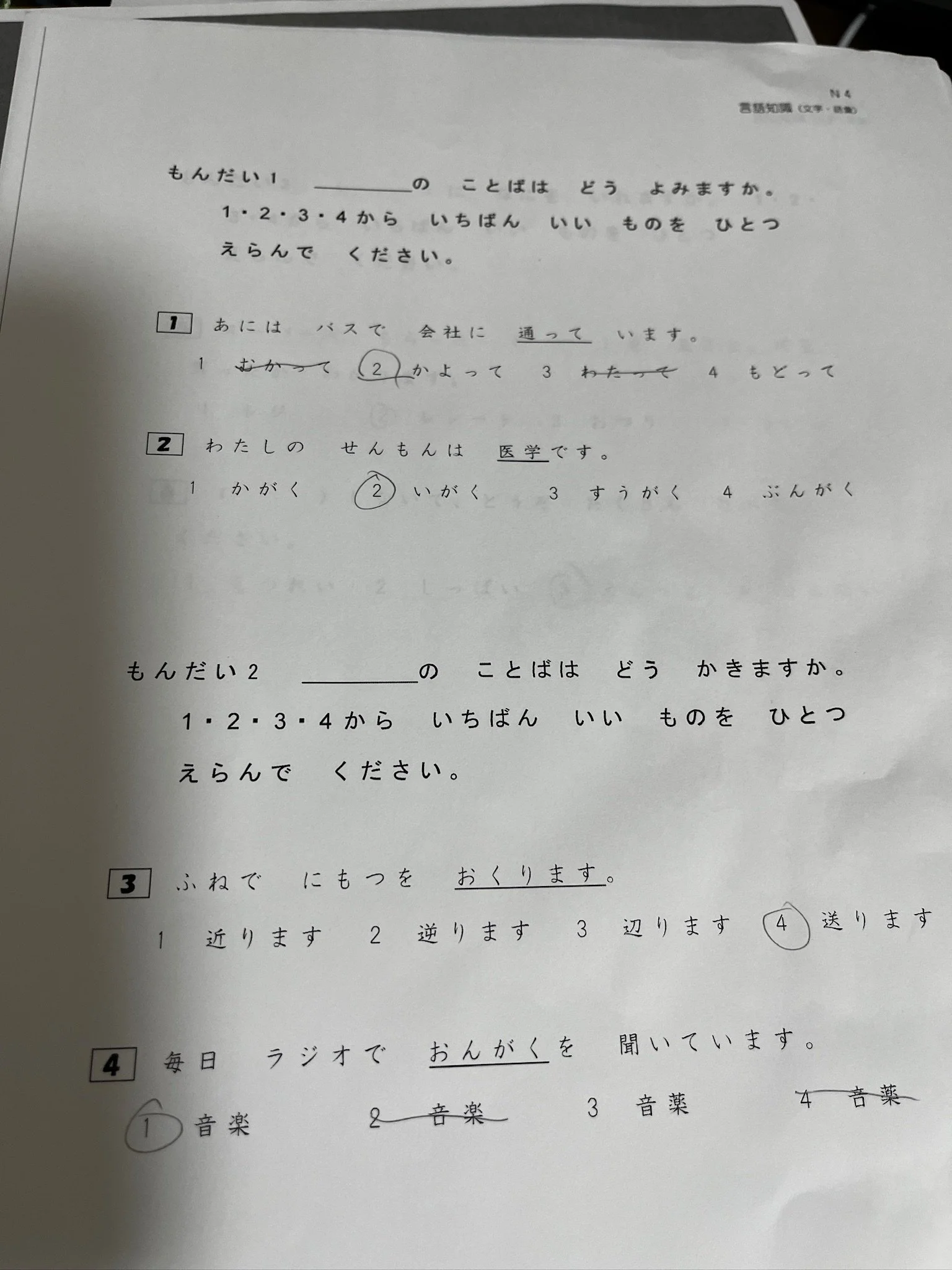
Some people take this test for a job, or to aid in their quest for permanent residency. There are five levels, from N5 to N1. I skipped the N5 and decided to sign up for the N4. If you’re wondering what level you should be at, you can try the practice questions available online. If you get most of them right for a certain level, you’re probably okay to sign up for that one. But that doesn’t mean you’re ready for the test. The JLPT is HARD. It’s long and full of trick questions about grammar points you probably don’t use in everyday life. The listening tracks are VERY fast and only played once, so if you don’t pay attention to every little detail, you have no hope of getting them right. To pass, you will need to study.
In addition to a four-month course once a week at Coto Language Academy, I used several books and outside resources. I did 10 practice tests, plus the free mini-test on the JLPT site. I’m still not sure I passed. The JLPT is difficult, and you need all the help you can get. If you’re thinking of taking the N4, here are some of the books I used to help me study, and what makes some better than others.
Pattern-Betsu Tettei Drill
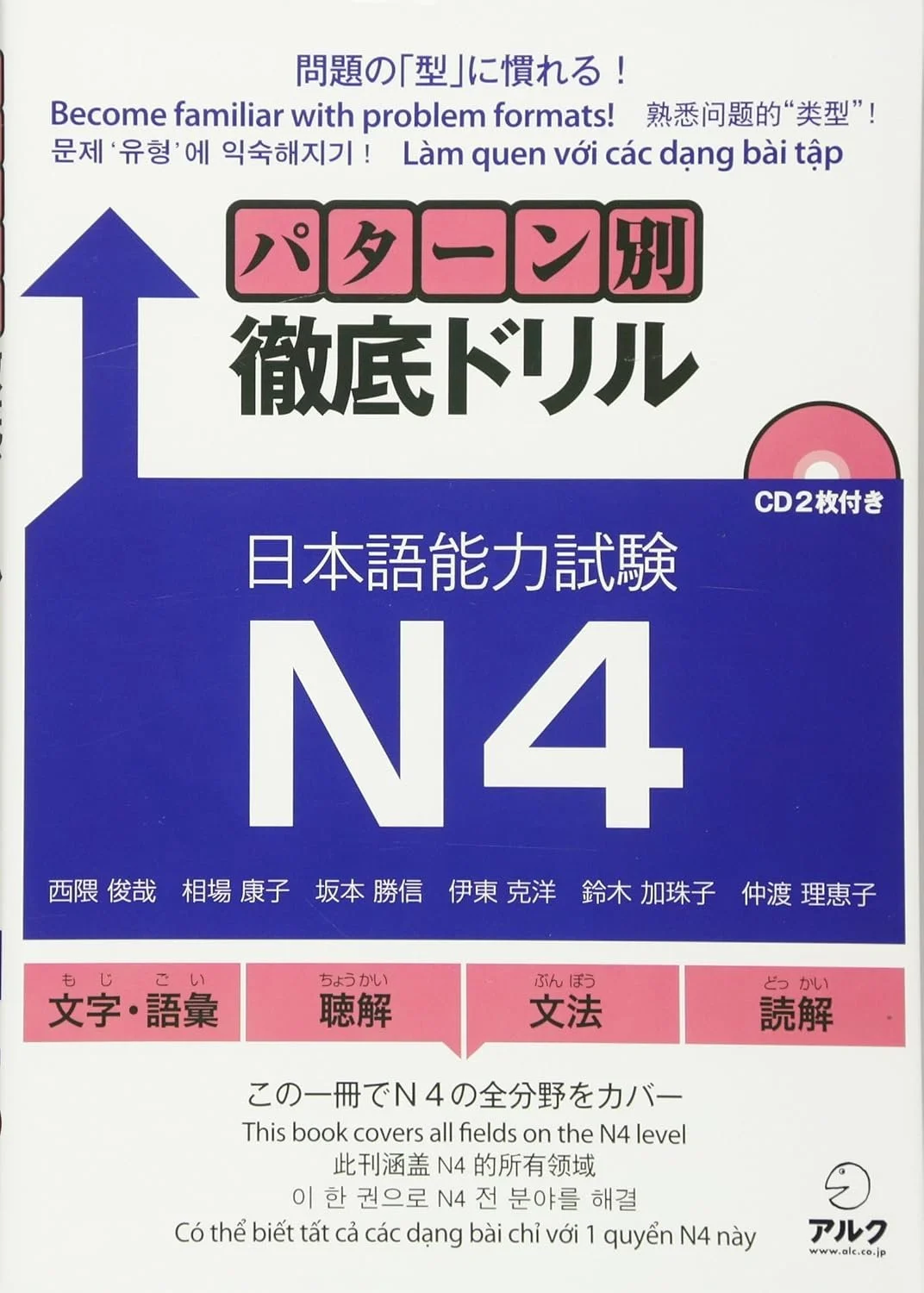
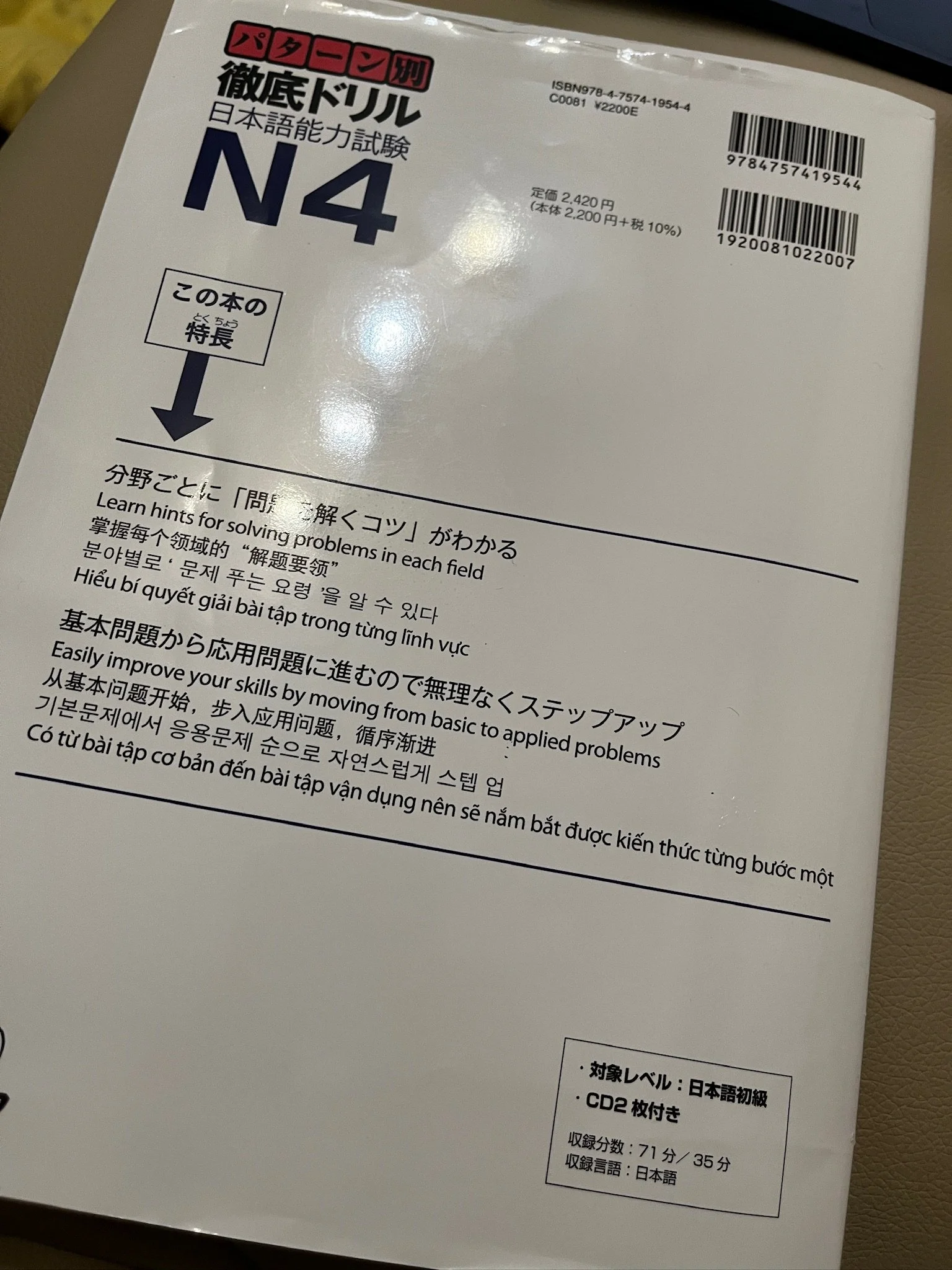
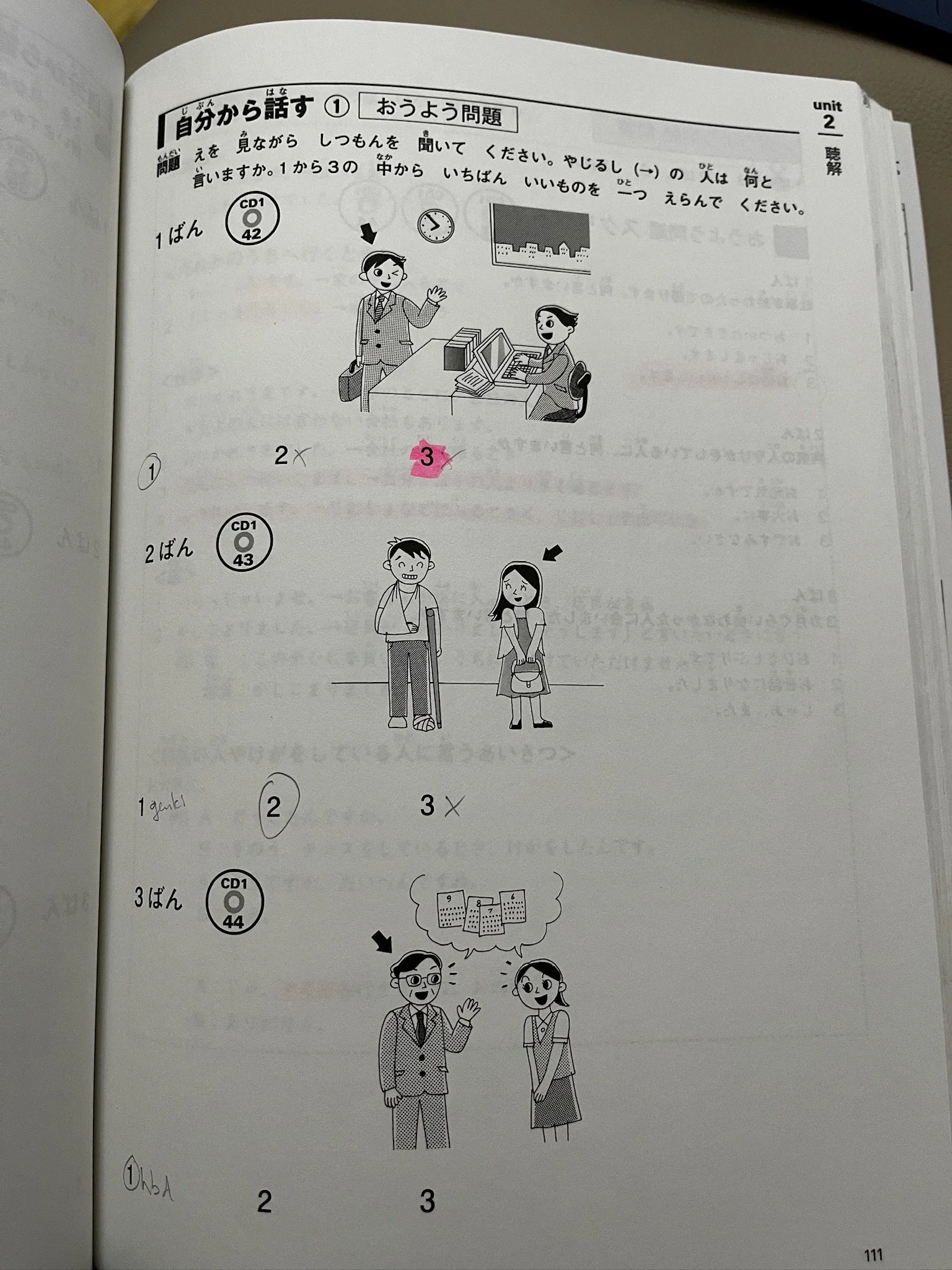
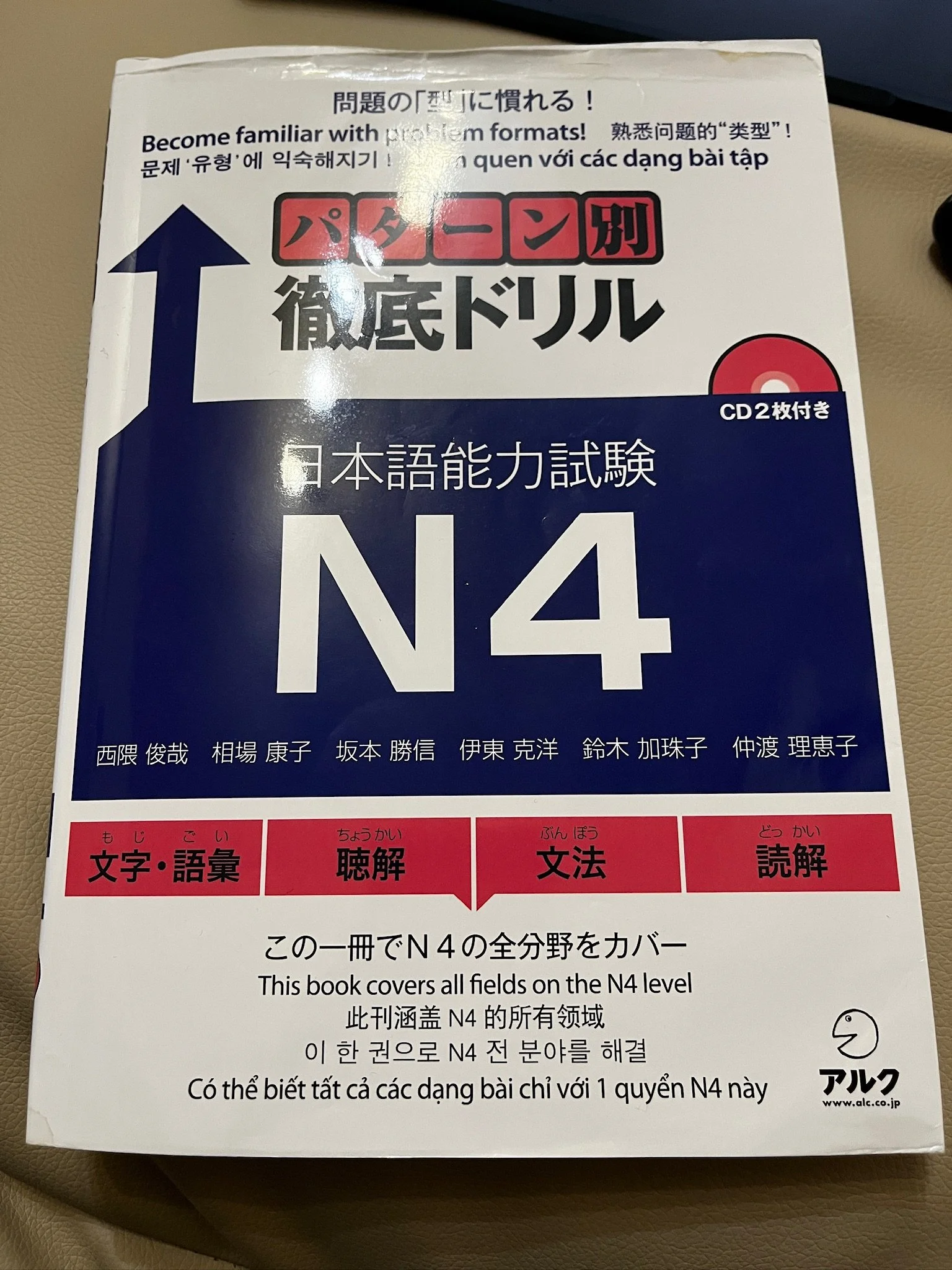
This is the book we used in my N4 class at Coto Language Academy. The class basically consisted of going through a page of vocab, a page of kanji, a page of grammar, and a few reading and listening exercises every week. Mostly, we just did the problems in the book and read the answer pages together. I think you could get 80% of what I got from the class just by doing the exercises in this book independently. It is the most comprehensive book I’ve seen for material on the N4.
While the kanji and vocab are pretty basic, the grammar section of this book is tough. I usually did two passes on each grammar section: I’d try the questions, marking what I thought the answer was. Then, while covering up the answers, I’d learn the grammar explanations on the next page. I’d then re-do the questions, changing a few (sometimes almost all) my answers after what I’d learned. Then I’d check the answers. This helped me a lot.
The fact that the grammar in this book is so hard is why it’s more valuable than any other. You will learn things here that simply aren’t in other prep books, stuff that you could learn in a Japanese class and then forget because you just don’t use them that often. That’s great for learning, but it can also over-prepare you for that section. The grammar on the actual JLPT included only a few of the rare uses that are in this book - but since you can’t guess which rare forms will be used, it’s good to learn them all. There was one specific question that I got right because I’d re-read that page of this book an hour before taking the test.
The listening is also pretty tough, which is good because you need all the listening practice you can get. There’s a QR code that lets you download the listening on an app called “Booco” which is different from the Navi app many of these books use, but this one seems to work fine.
This is the best prep book for the JLPT as far as I’m concerned. However, it is not enough on its own. You also need to take practice tests. This is not a general textbook, nor is it a book of practice tests. It is an essential middle step. I’m glad I didn’t have to take the N4 without it.
Price: $32.99 on Amazon
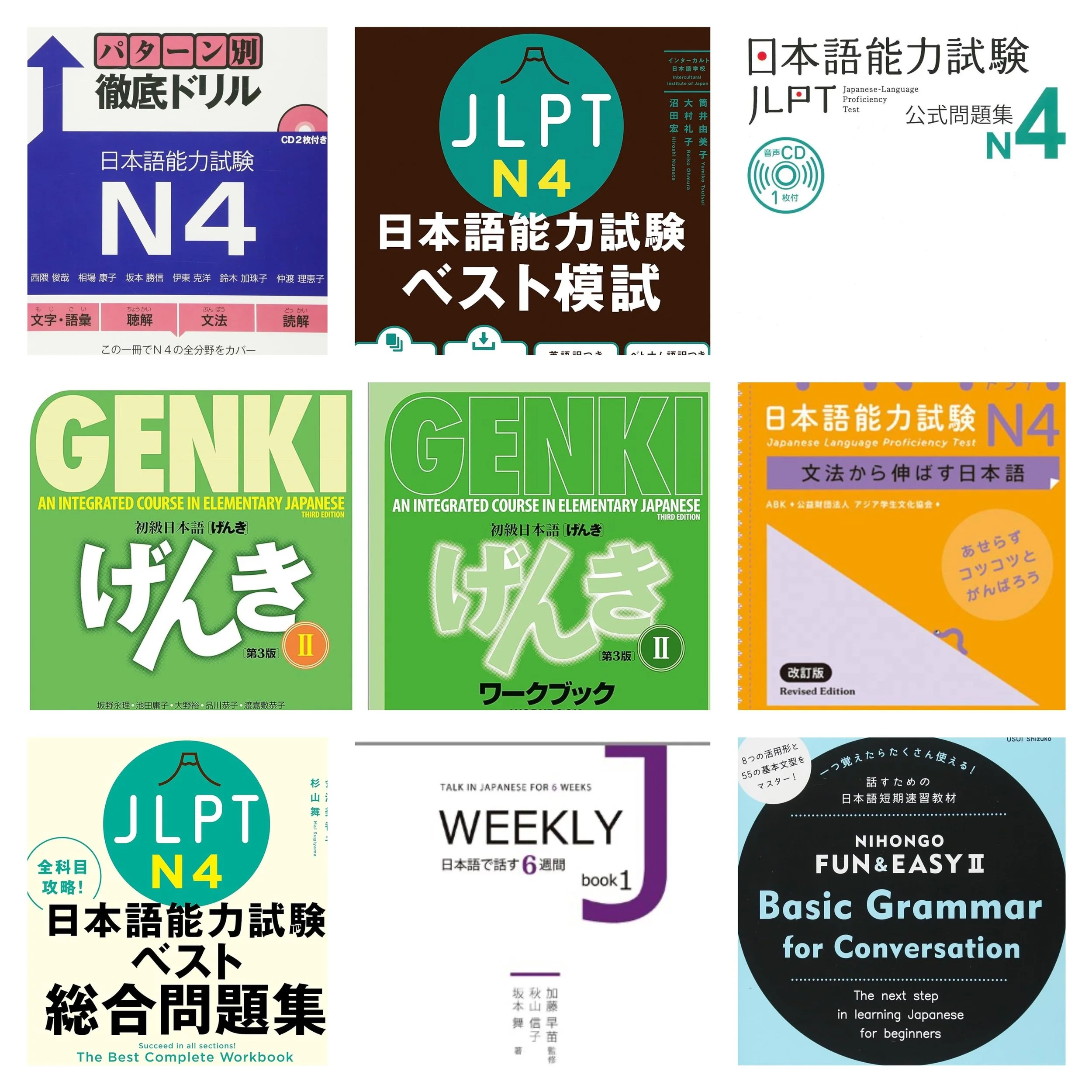
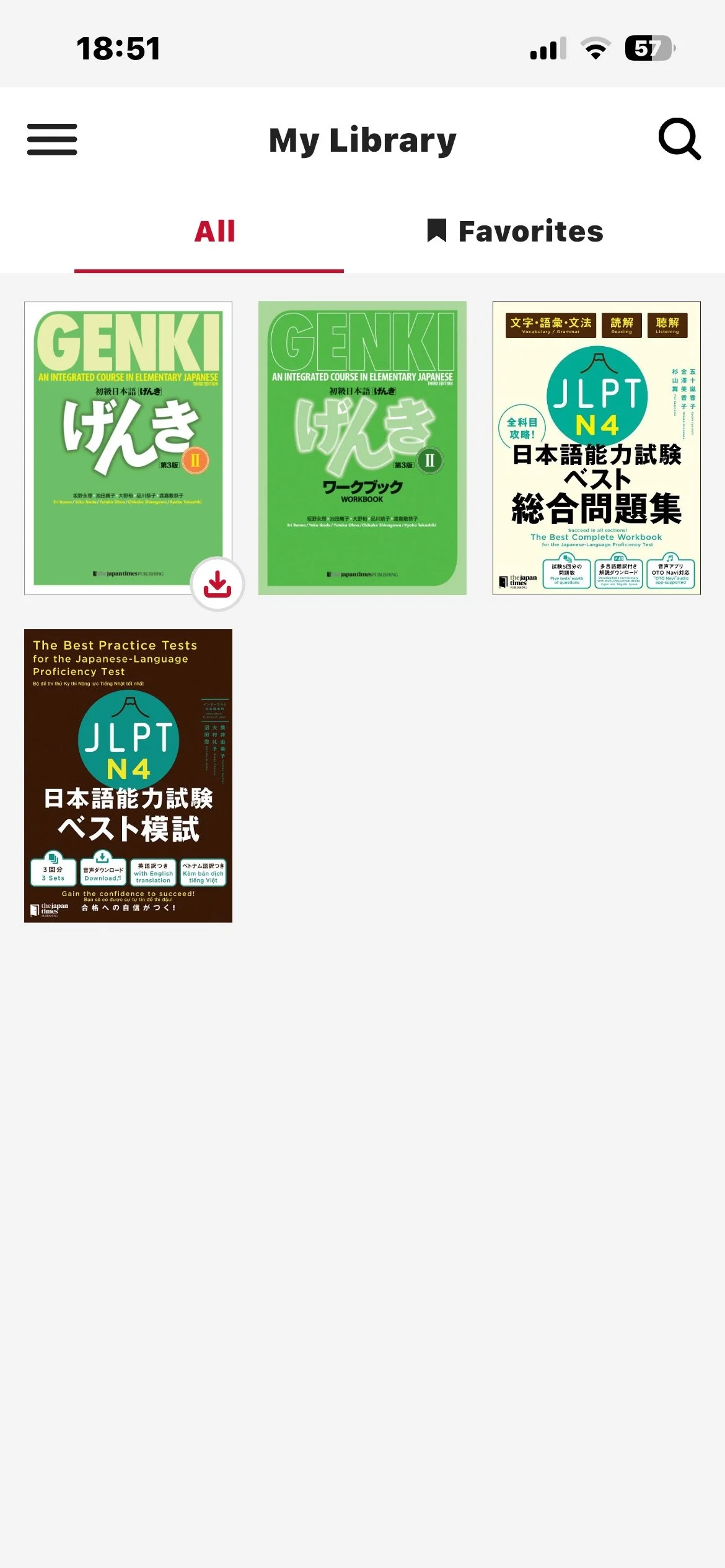
The Best Practice Tests and The Best Complete Workbook
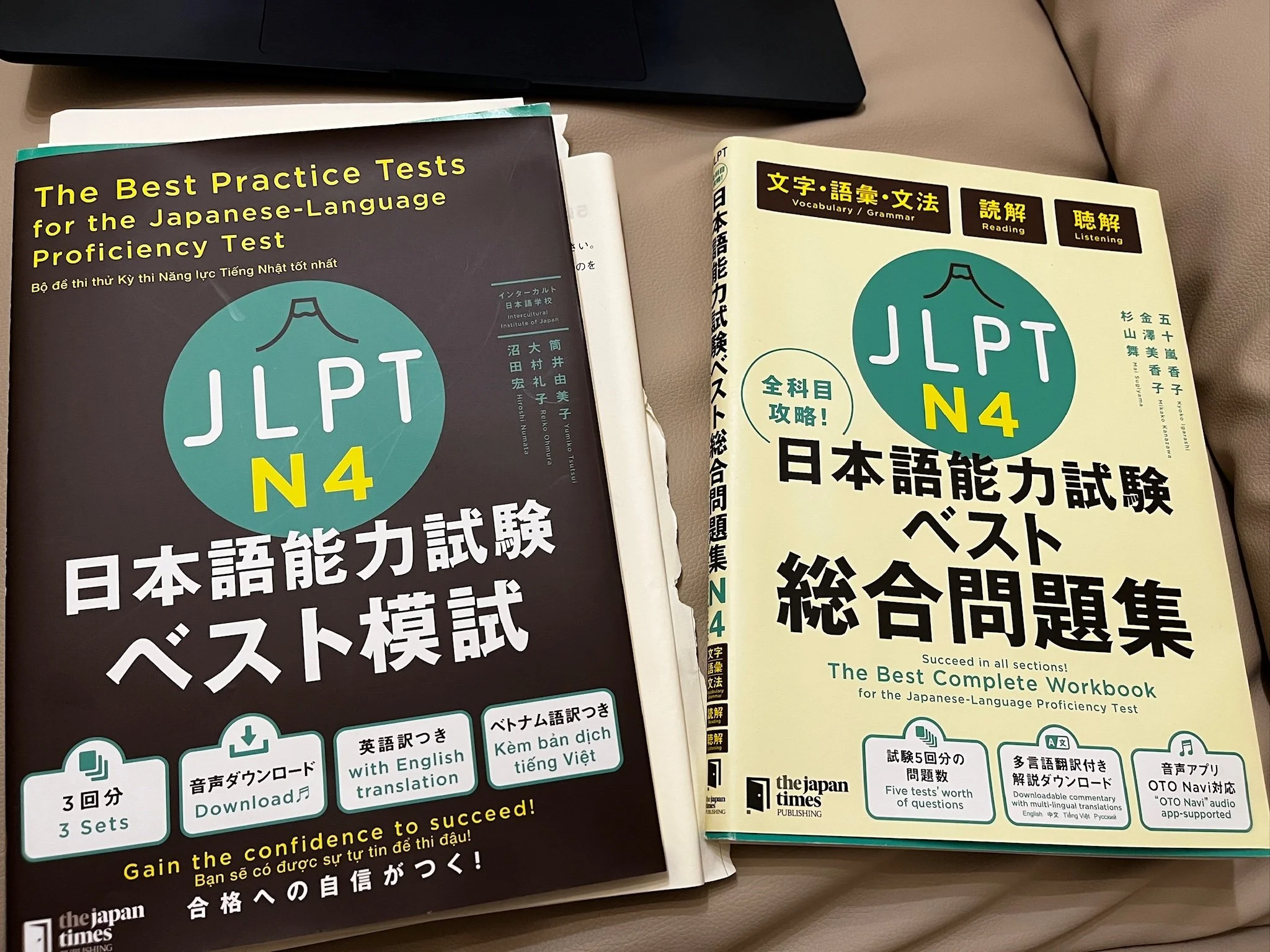
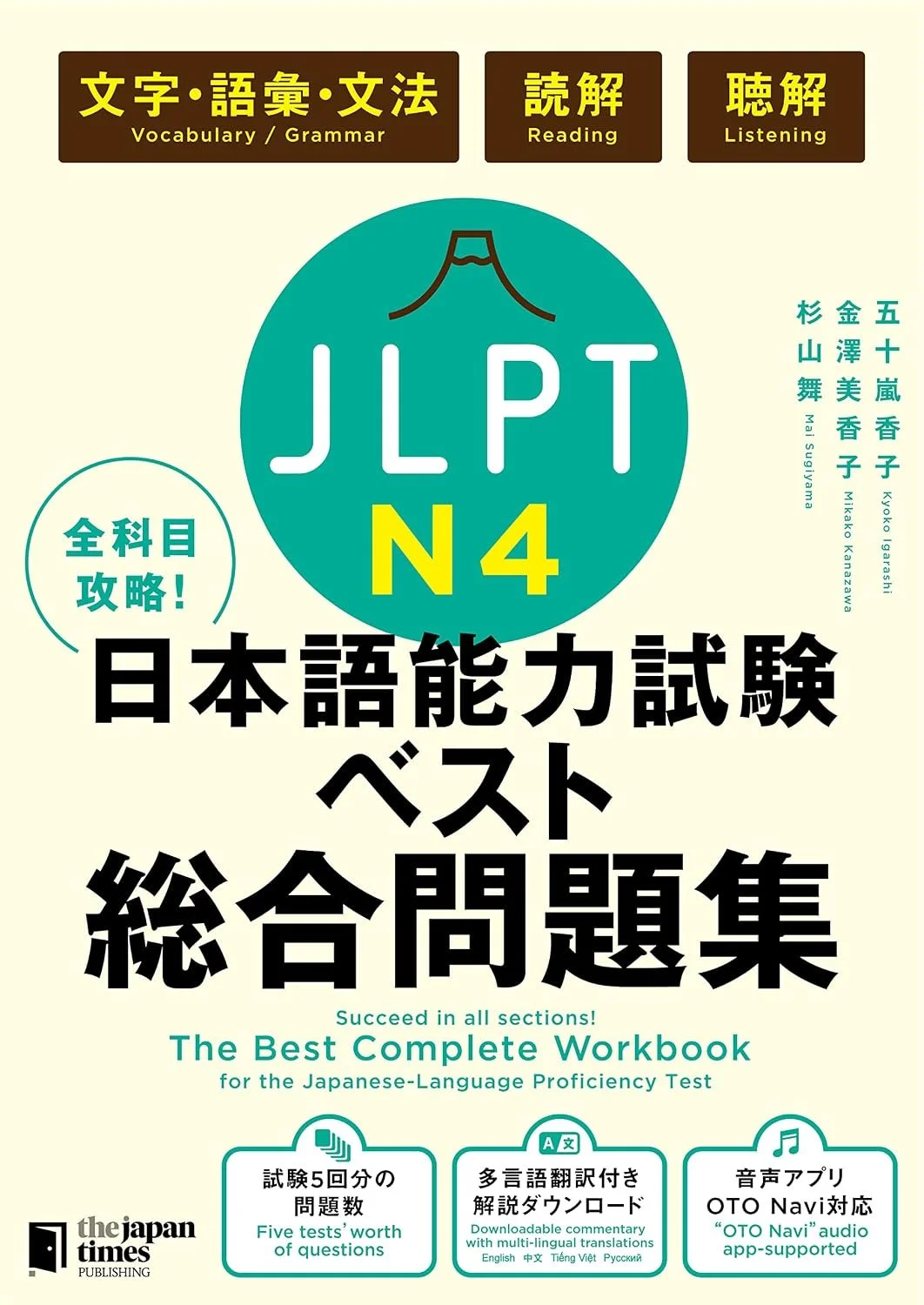
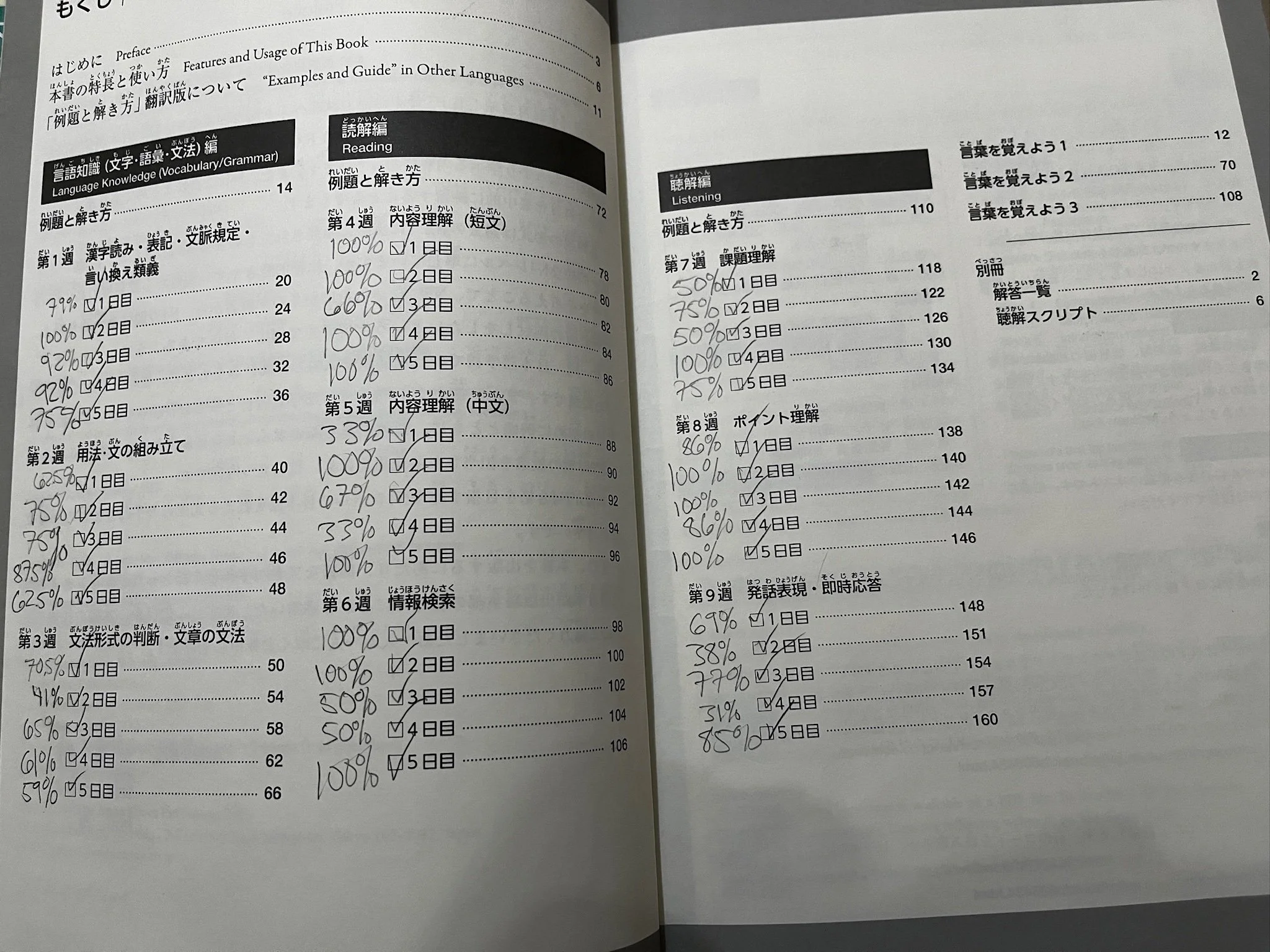
I’m combining these two because they should be purchased as a set. The white one, The Best Complete Workbook, features 5 tests’ worth of practice questions. However, these questions are divided into sections by type (with a suggested time period for each section), so they’re not really set up as full practice tests. It’s more for you to try each question type and figure out where your strengths and weaknesses are.
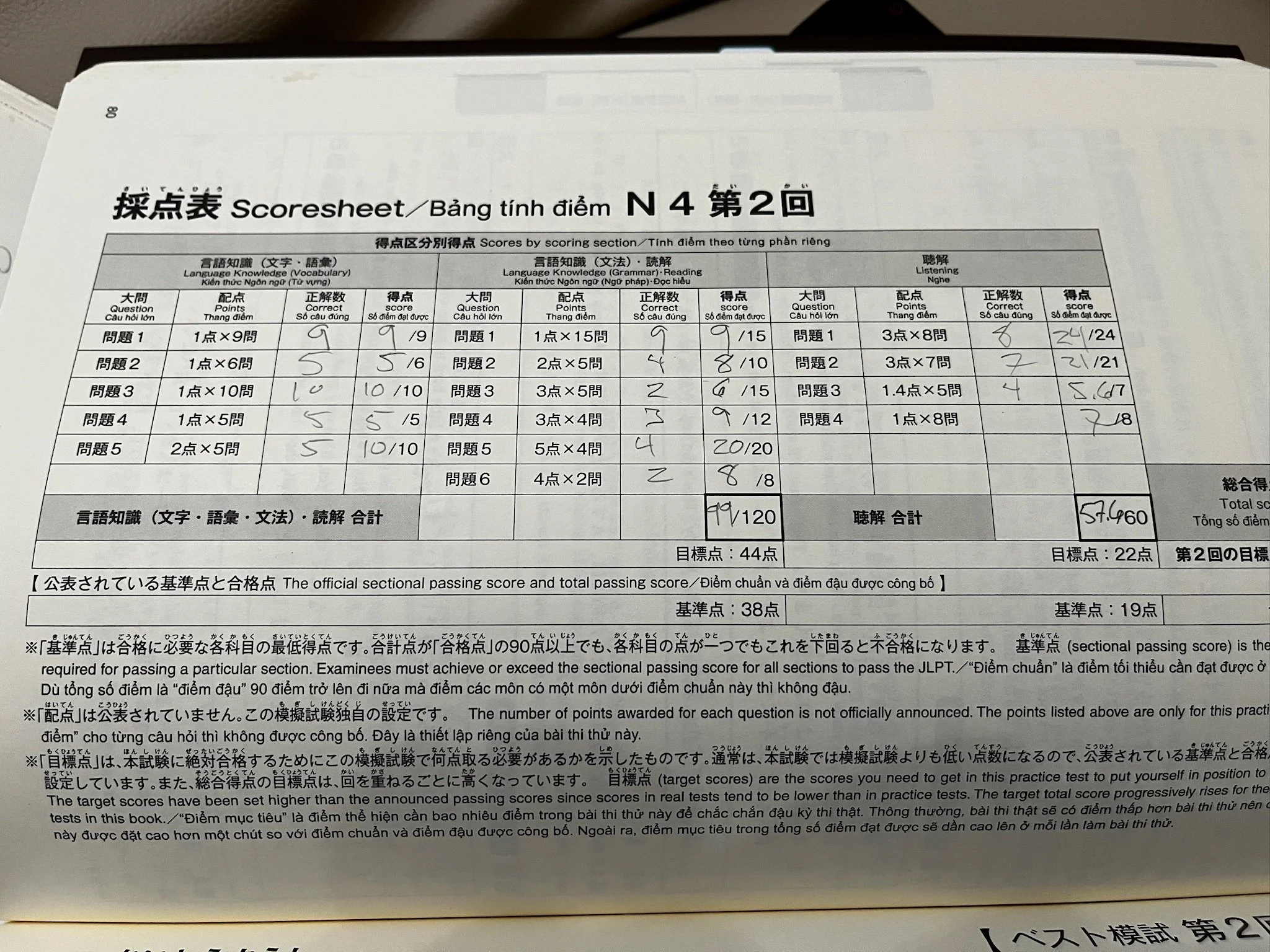
As you can see, my scores remained largely the same as I went through the book; that’s because some sections have a lot of questions, while some have only 2 or 3, so missing one question drops you to 67%. I got practice here on all question types, but not practice doing an entire test to time.
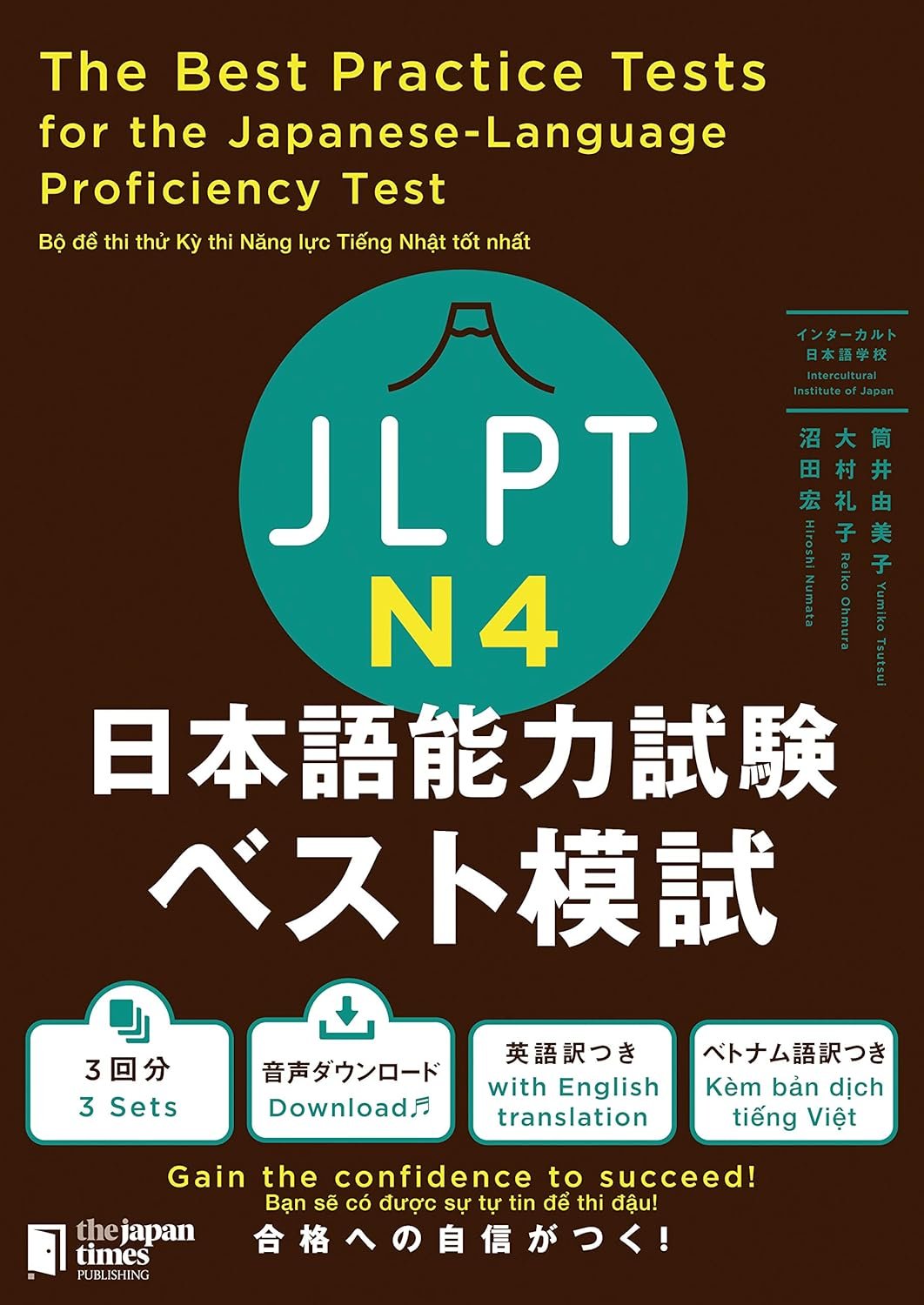
For that, you want the other book, The Best Practice Tests. This book contains three full practice exams, with answer sheets you can rip out to practice filling in the bubbles. And unlike most practice tests I saw, these actually contain a chart you can use to calculate your score and see how you would have done on the real test. I built a lot of confidence using this, and highly recommend it. The questions on these are not as tough as those in the Pattern-Betsu book, so I recommend using that one to learn and these to practice in the month leading up to the test.
Each of these books provided not just practice, but practice to time, with the white book showing how to answer questions quickly while the brown book showed how to budget time over an entire test. The listing is through the Japan Times Navi app, which is not my favorite because you can’t move to the next track on the lock screen, but that’s basically my only criticism. These practice books are a perfect supplement to whatever textbook or class you’re using to prepare.
The Best Practice Tests: $28.99 on Amazon
The Best Complete Workbook: $29.99 on Amazon
Official Proficiency Test Trial Examination Questions Vol. 1 and 2
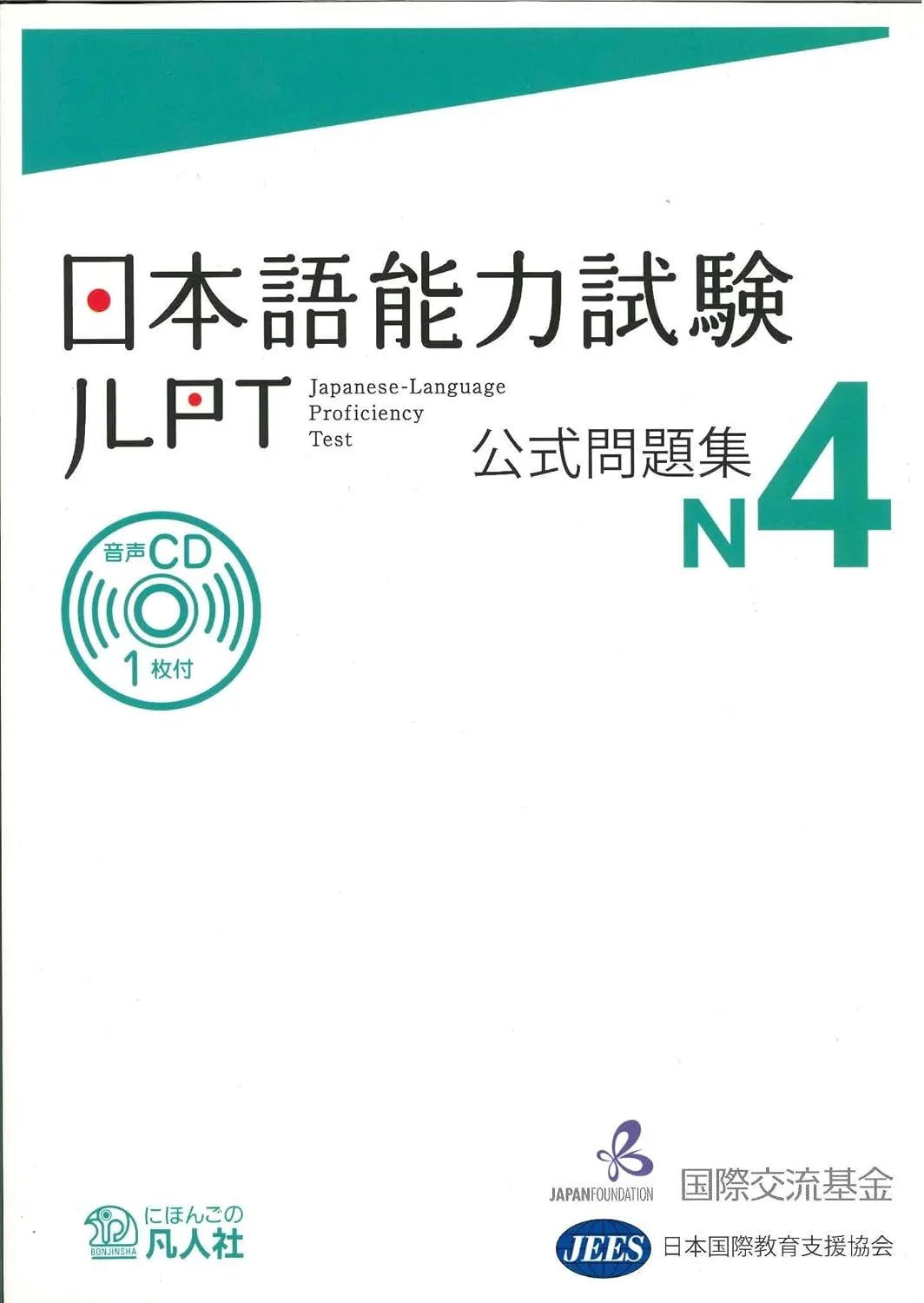
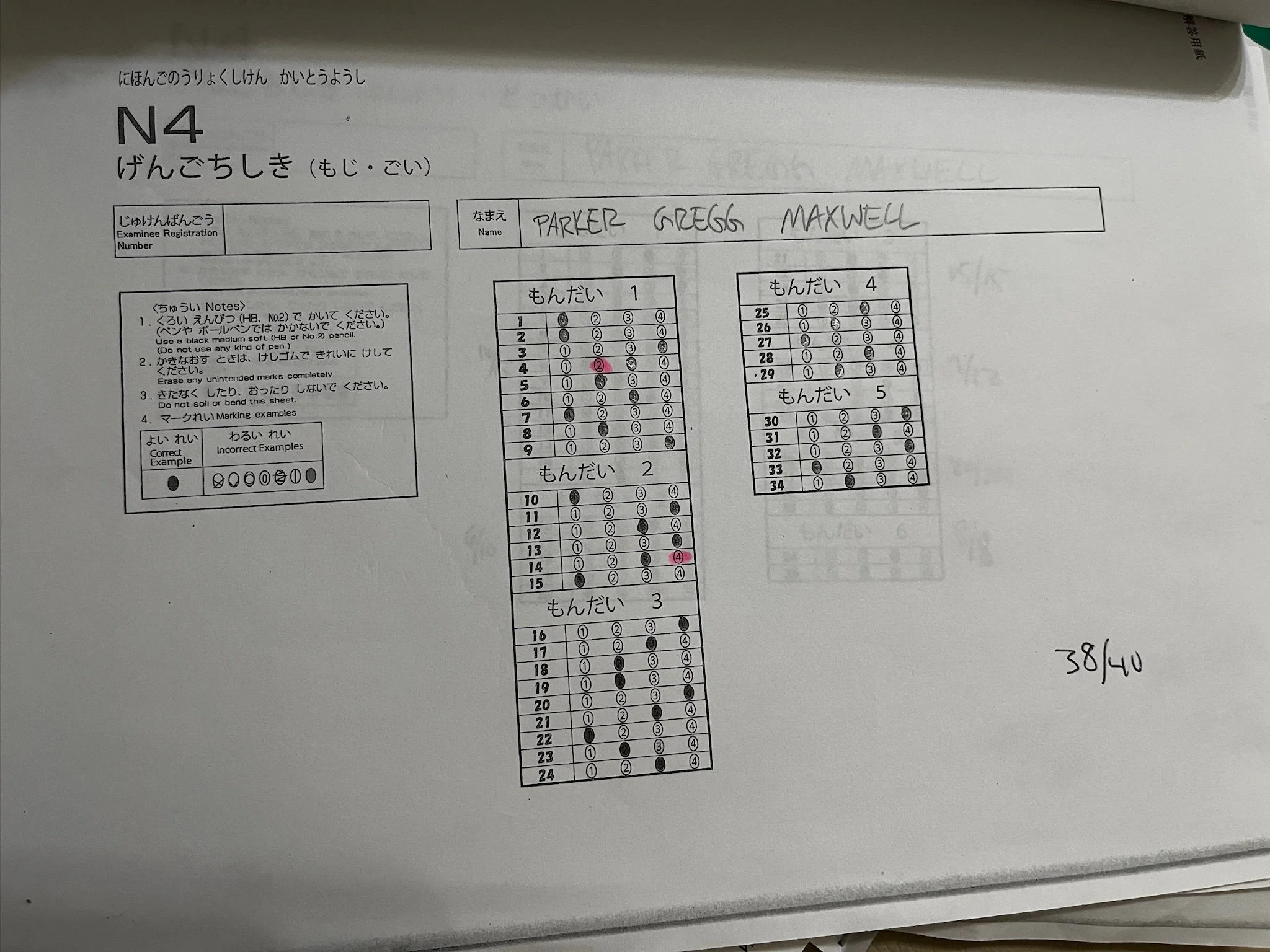
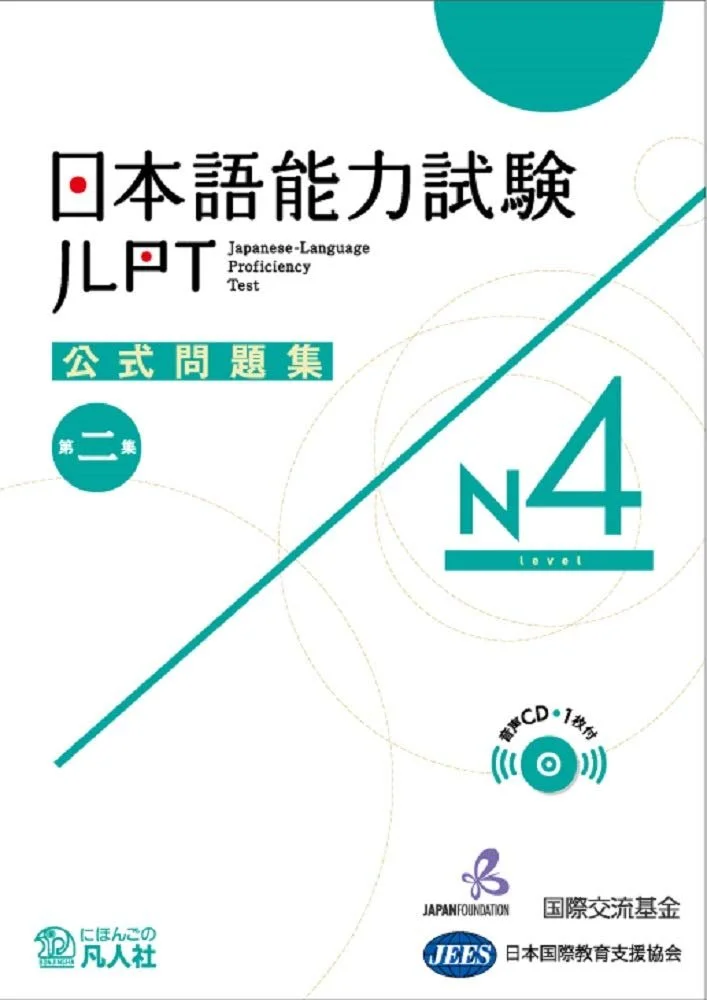
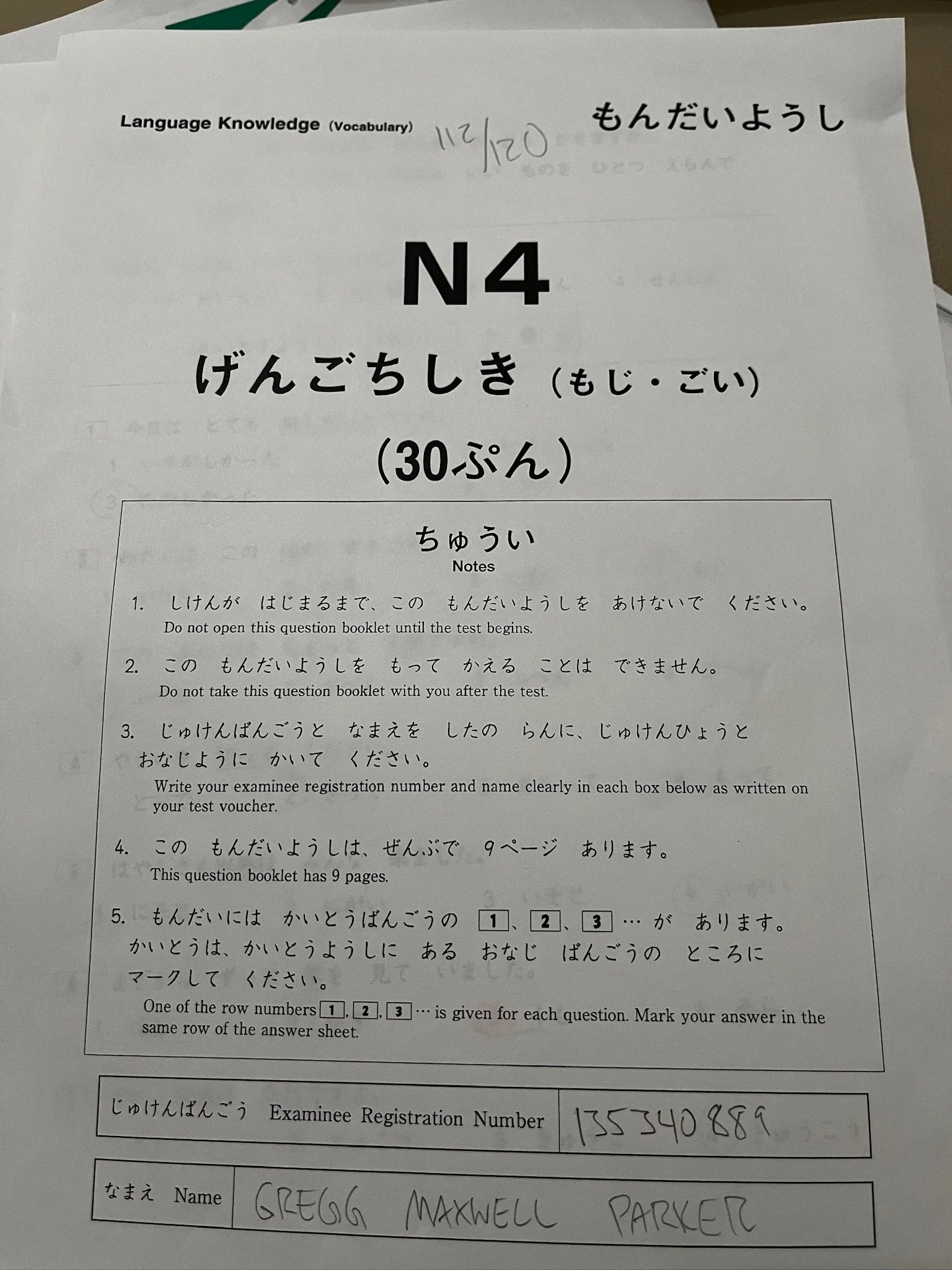
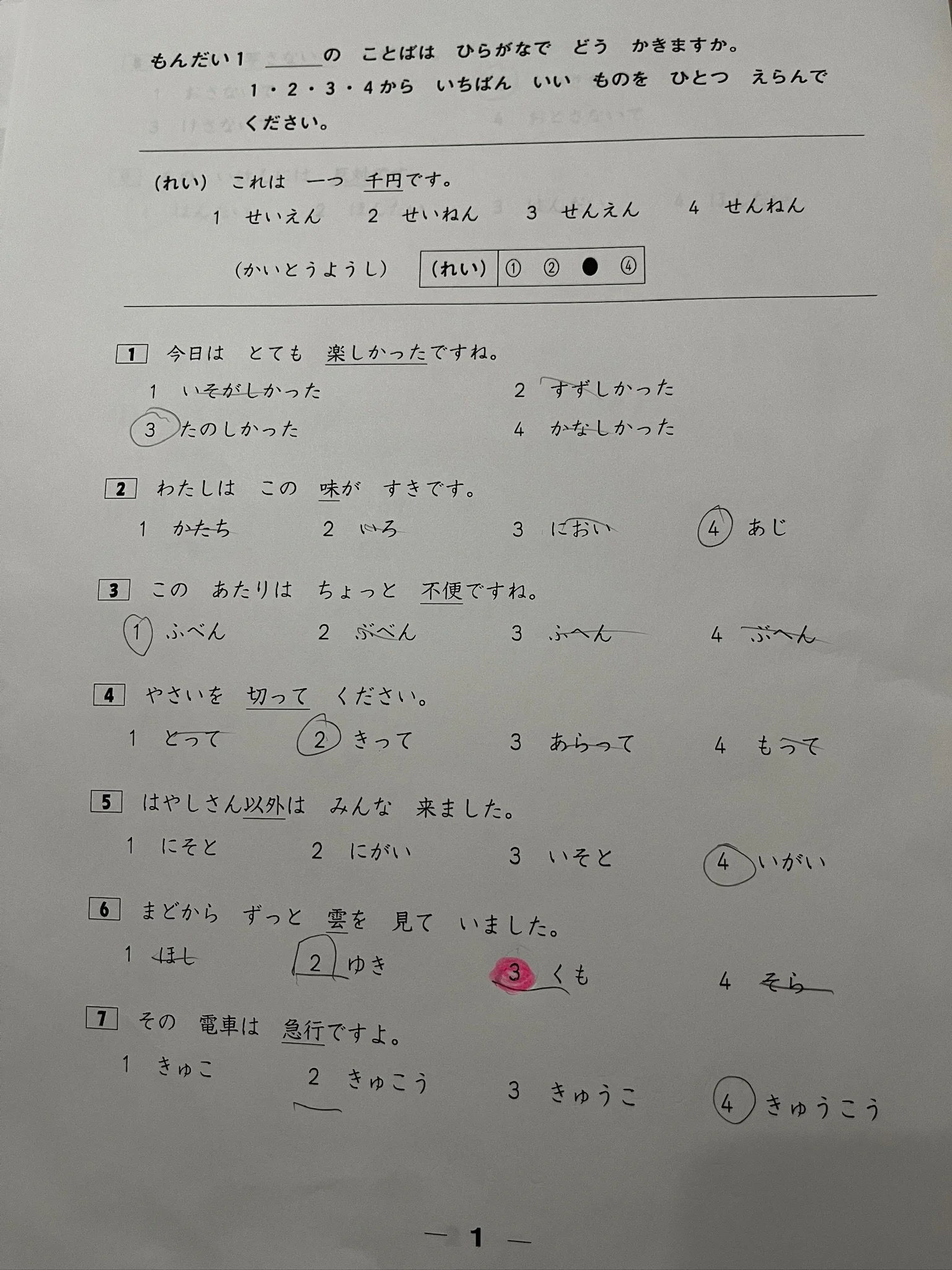
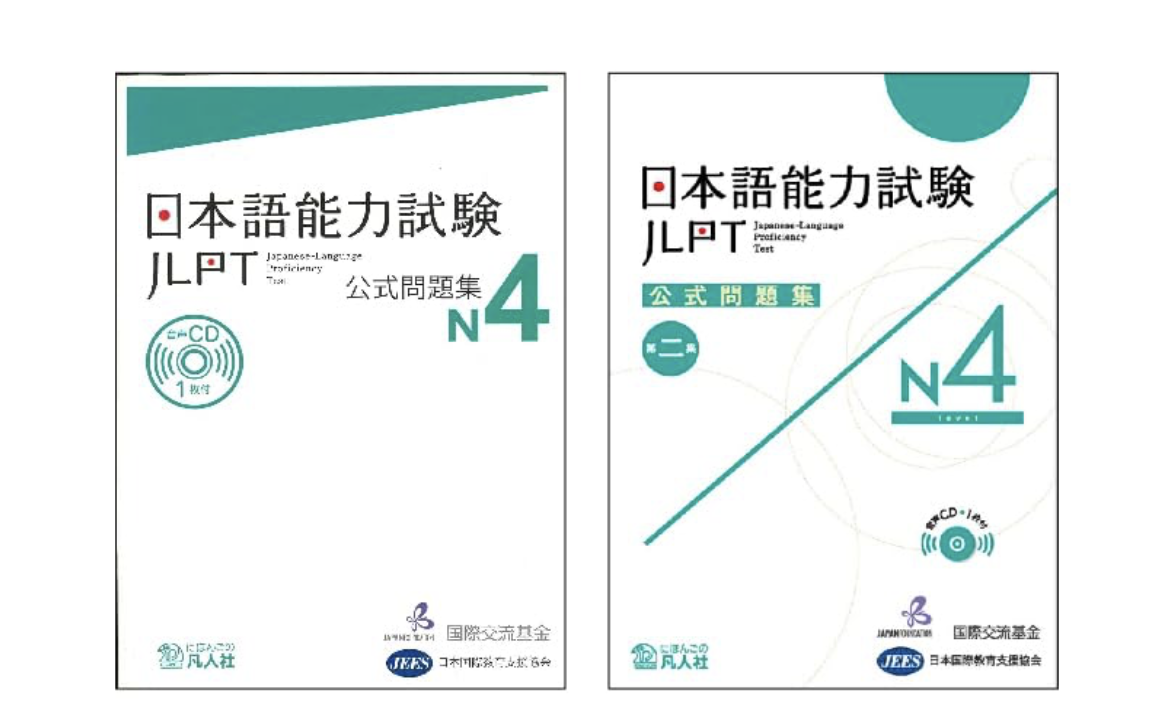
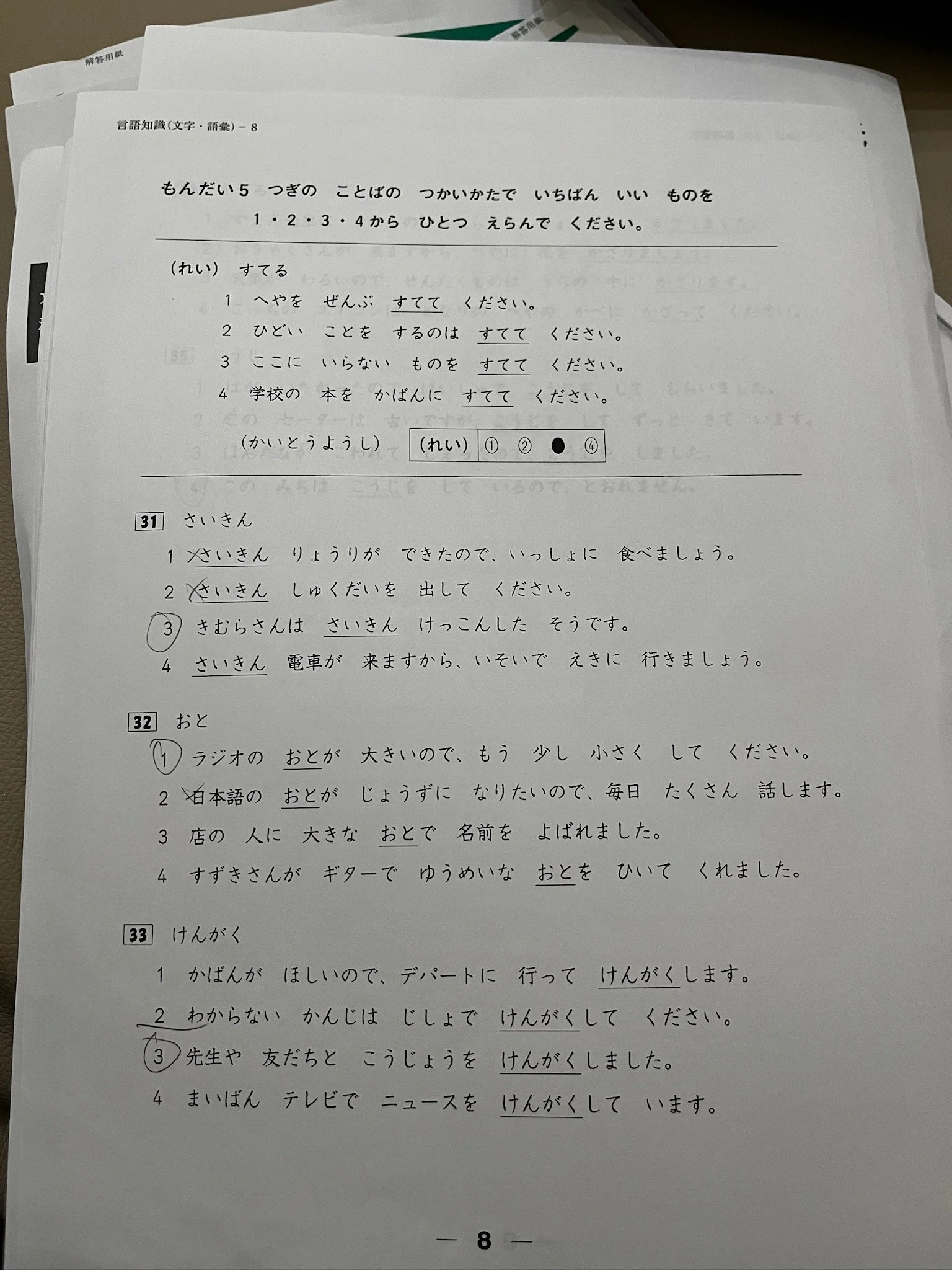
These books can either be ordered as a set or individually, as Vol. 1 and Vol. 2. They were included as part of my tuition for the N4 class I took at Coto. When I got to my final class, where we took the Vol. 2 test, I stopped filling out my answer sheet after about 90 seconds. “Sensei,” I said, “I’ve already done this. I took this test at home, yesterday. I printed it off the website.” He thought I must be mistaken. I was not.
See, the JLPT has a lot of great free resources on its site, including, if you know how to find them, two full practice examinations, one from 2012 and one from 2018, that can be downloaded and printed out at home. Vol. 2 of this book series was just the test from 2018, exactly, question for question. We checked. They were the same. Vol. 1 is the 2012 test.
So while I do recommend taking these tests, I don’t recommend buying these books, because it’s probably much cheaper for you to go to Kinko’s or a konbini and print them out off the JLPT website. You could even just download the PDFs, write your answers on a sheet of scrap paper, and avoid paying altogether. The website has the listening mp3s and scripts, a printable answer sheet, and answers for the tests. You don’t have to pay! So don’t.
Price: FREE, BABY
Try! Japanese Language Proficiency Test N4
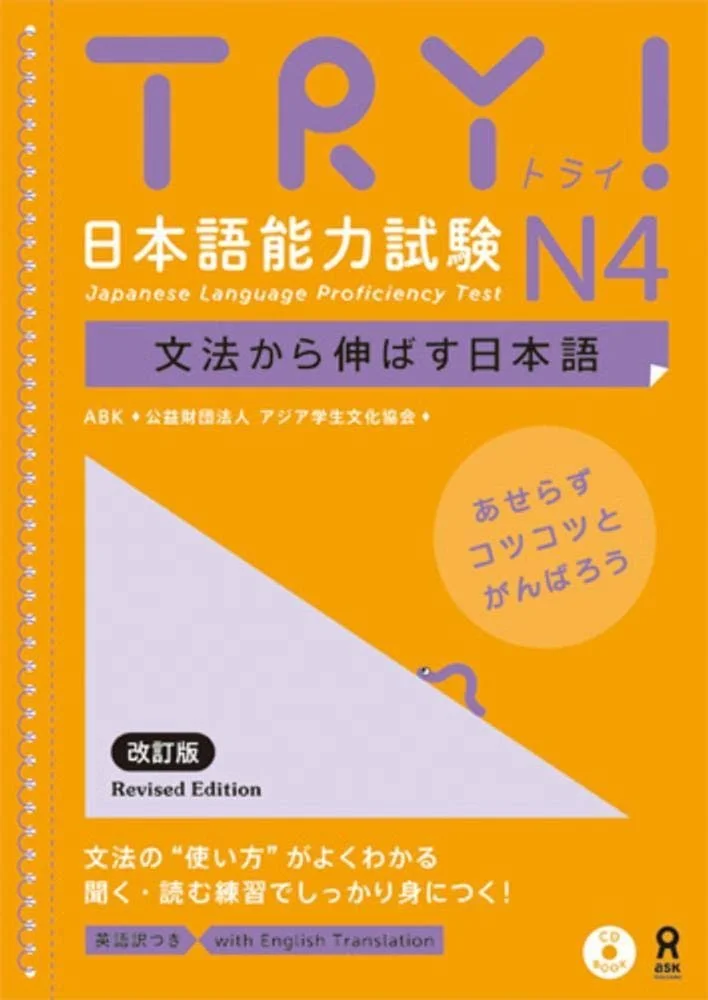
I did not actually use this book in its entirety. However, there was a copy of it lying around at the Coto office in Iidabashi, and it’s possible that at some point someone copied some of the pages not saying who.
What I liked about these practice questions was that they were hard. They include the four-blanks-which-one-is-the-star format that is the toughest part of the grammar section, and some really difficult reading and listening. Though I haven’t used the whole book, if I were to get another N4 book, this would probably be the first one I’d try.
Price: $35 on Amazon
Other books to help you prepare for the JLPT N4
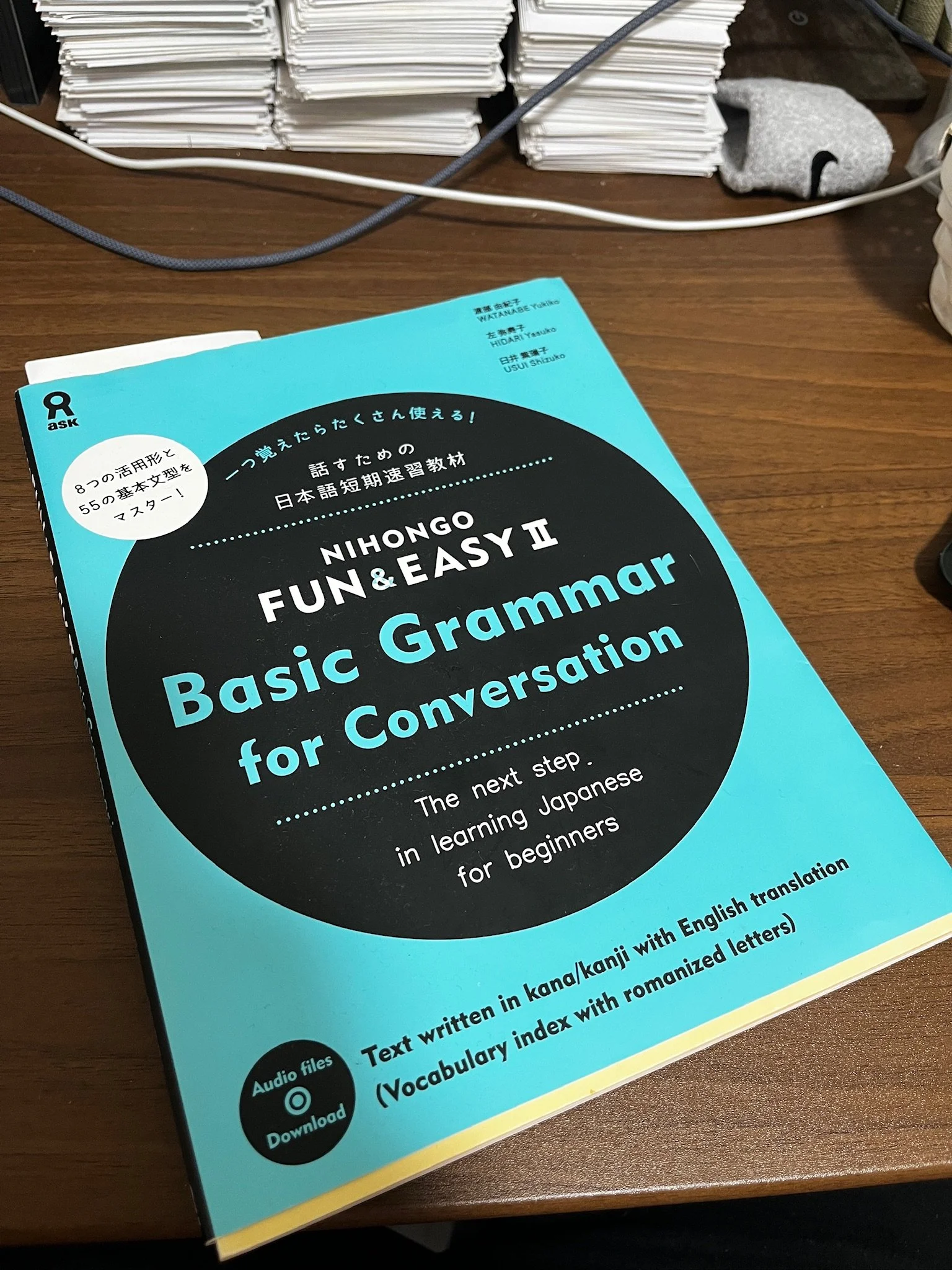
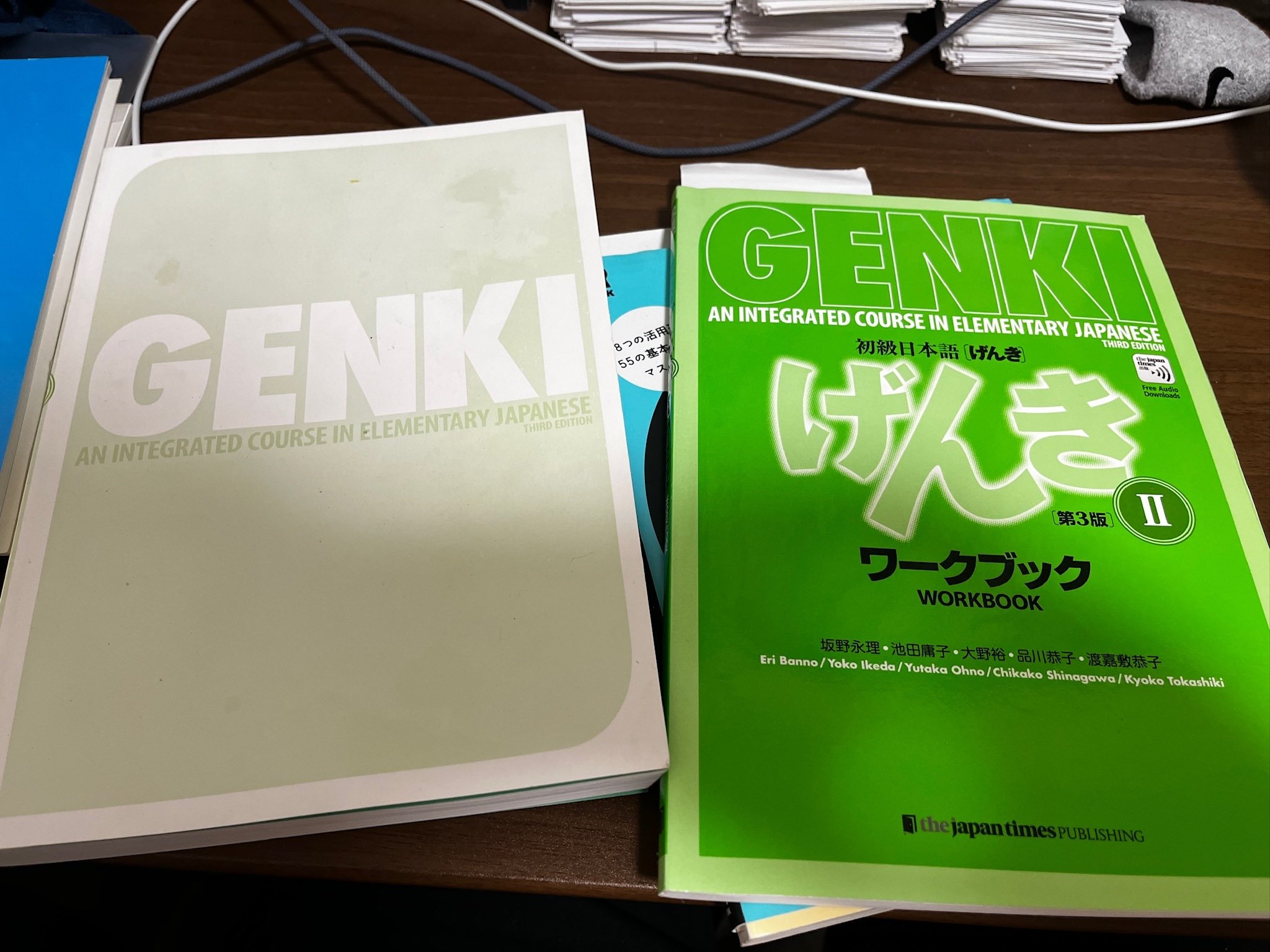
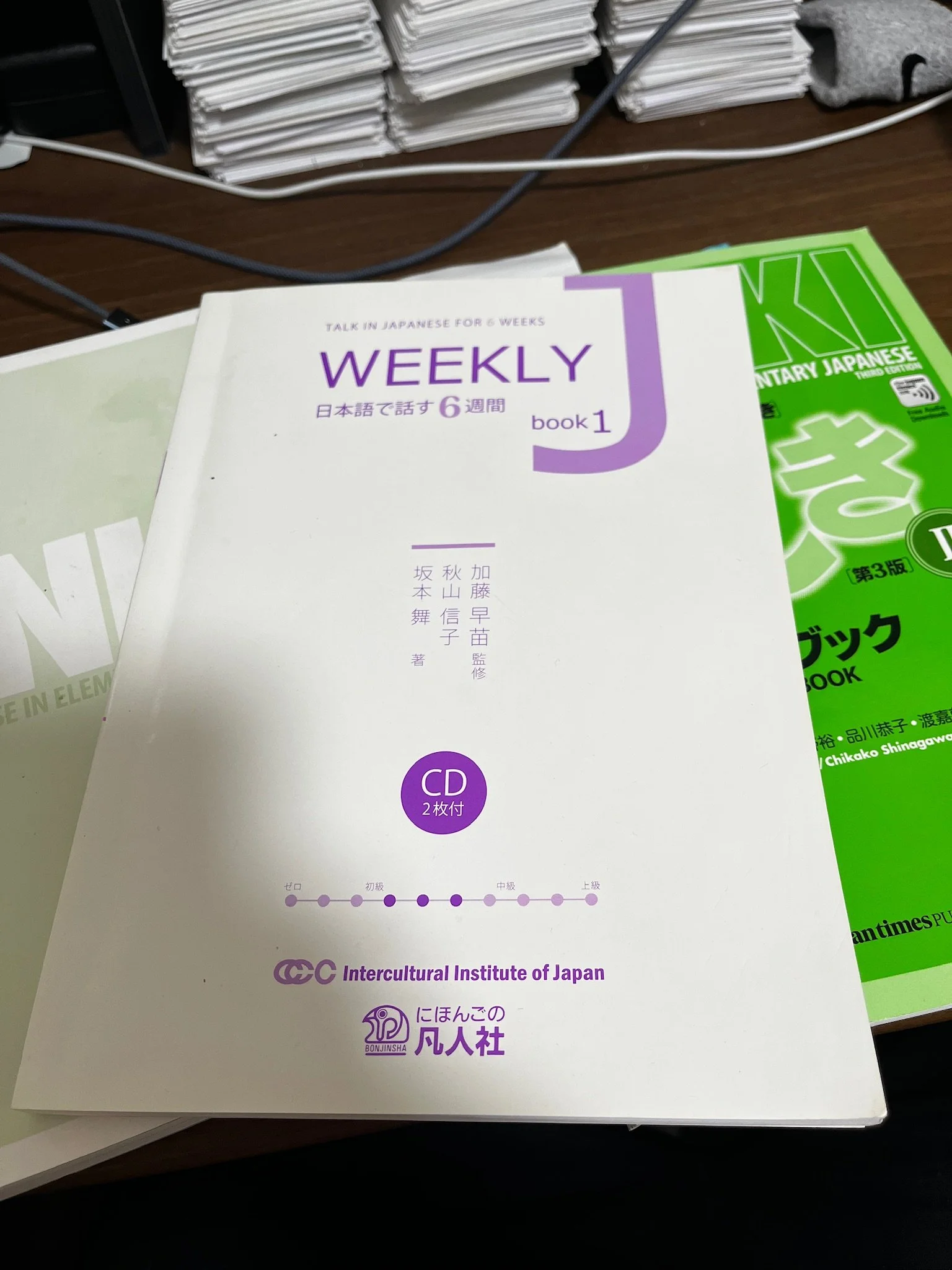
These books aren’t specifically designed to prepare you for the JLPT. However, they do cover a lot of the material that you will eventually see on the test. So before you sign up for the test and start studying specifically for that format, you should use one of these books to lay the groundwork. You may have already learned using one of these, but if you haven’t, do that before moving on to the test.
Genki Level 2
Genk is the most comprehensive textbook out there. The others in this section were helpful, but I found that they lacked some of the lesser-used grammar points that are found on the JLPT. Genki, on the other hand, includes not only the most common forms, but also things you might not hear that often but will see on the test. Pair it with the workbook and OTO Navi app for listening exercises and assignments you can check with your teacher or wife to improve in all areas. The answer key is useful if studying by yourself, but keep in mind that it can’t correct you on open-ended questions, and there’s no substitute for a teacher or native speaker to check your homework.
Textbook: $37 on Amazon
Workbook: $15.50 on Amazon
Set: $53 on Amazon
Set with Answer Key: $69.98 on Amazon
Nihongo Fun & Easy II
This was the first Japanese textbook I ever used. What I like about it is that it’s focused on speaking rather than writing. However, it is limited in how much material it covers. You may want to do what I did, which is to first learn with this book, and then move on to Genki, which is a bit drier and more complicated. This is a great choice for beginners.
Price: $23.50 on Amazon
Weekly J
I have taken classes at Coto Academy for a few years now. My first online class used Fun & Easy, and then I took a class that used this one. It’s more advanced, but like Fun & Easy, it’s focused on speaking. That’s great for learning, but Genki is better for learning ALL facets of Japanese. So if you plan to take the test, want to learn to write, or plan to study on your own, go with Genki. If you have a teacher or just want to practice the most common conversations you’ll have, go with Weekly J.
Price: $35.50 on Amazon
Tips for taking the JLPT
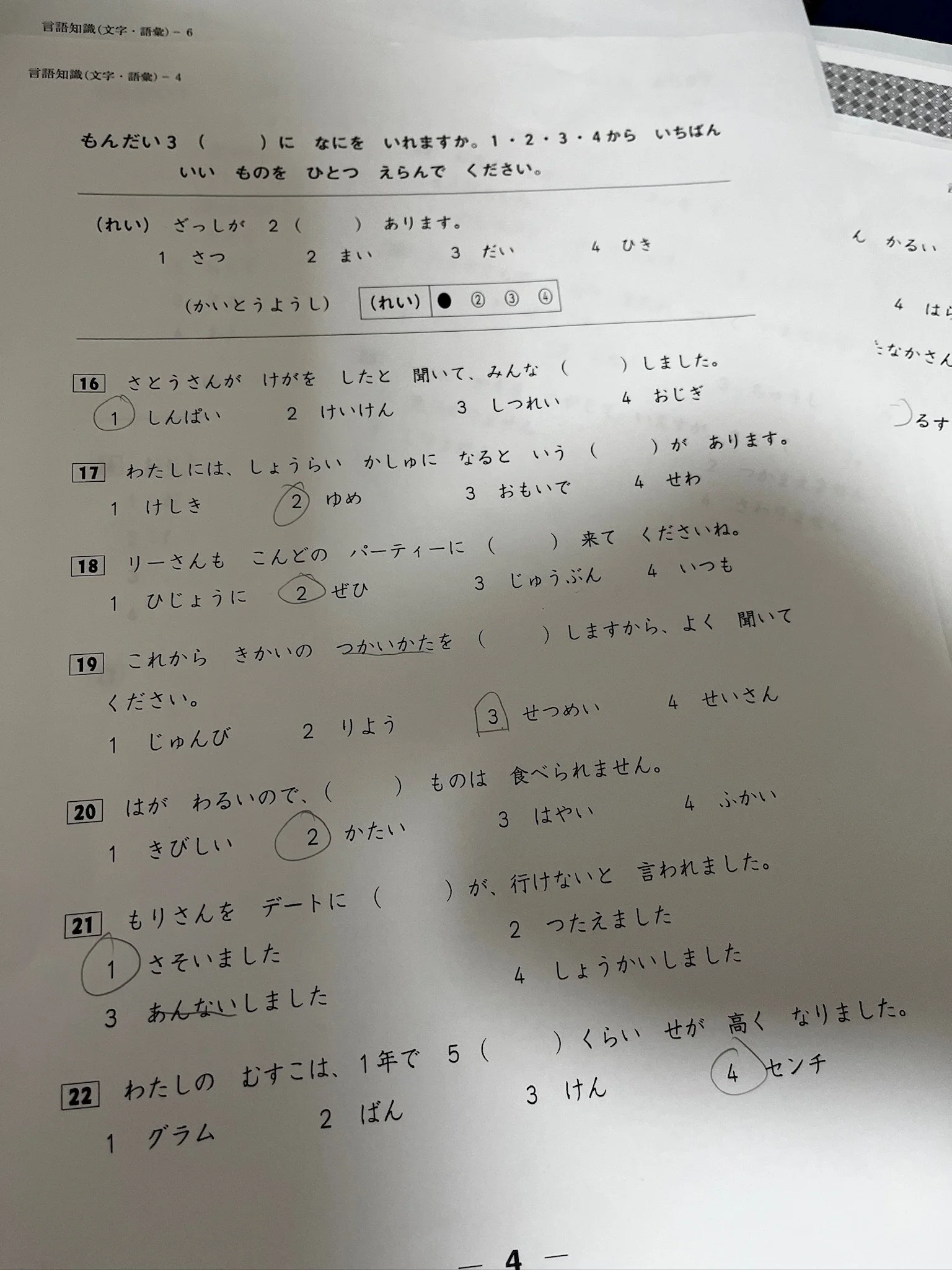
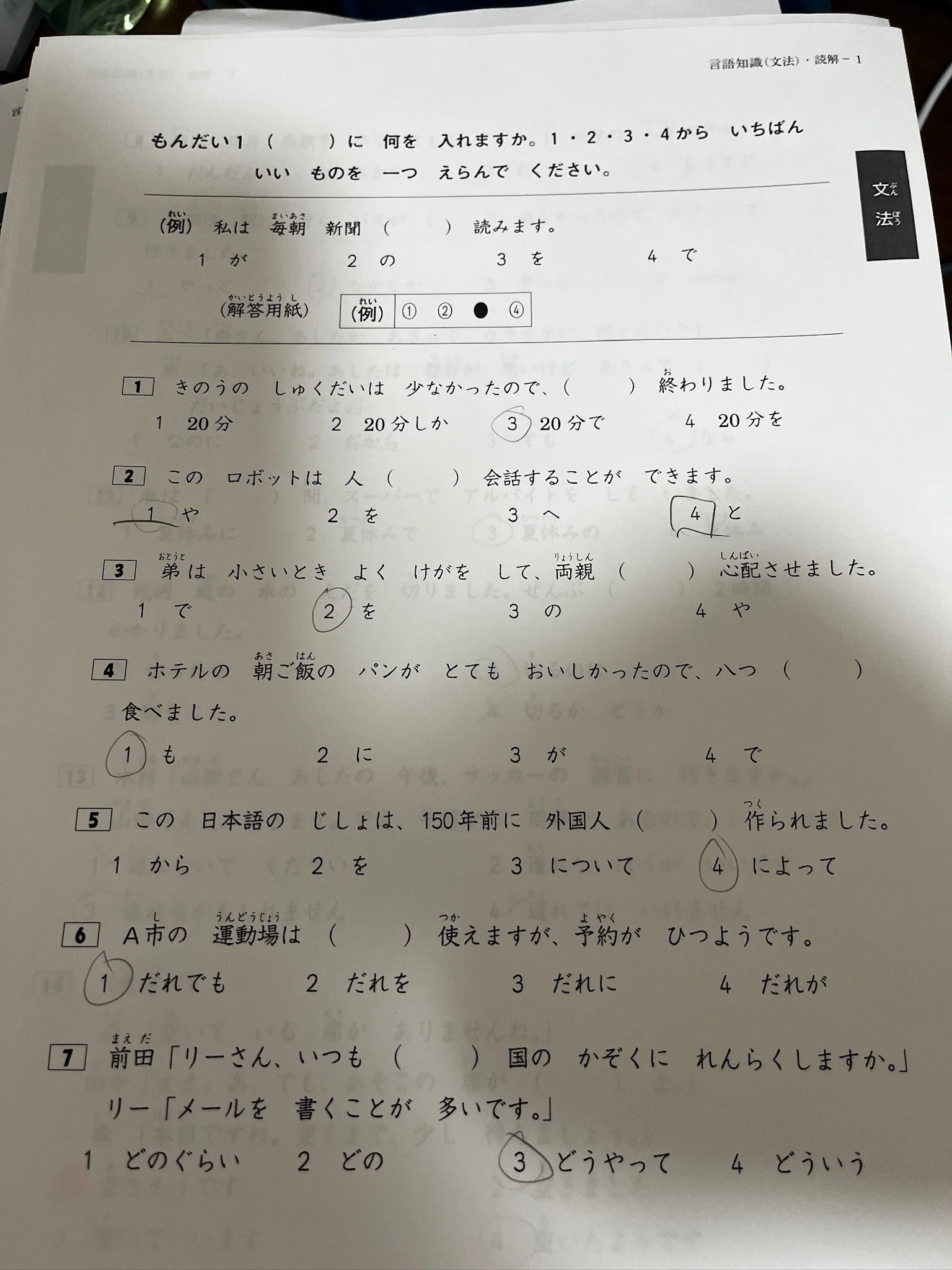
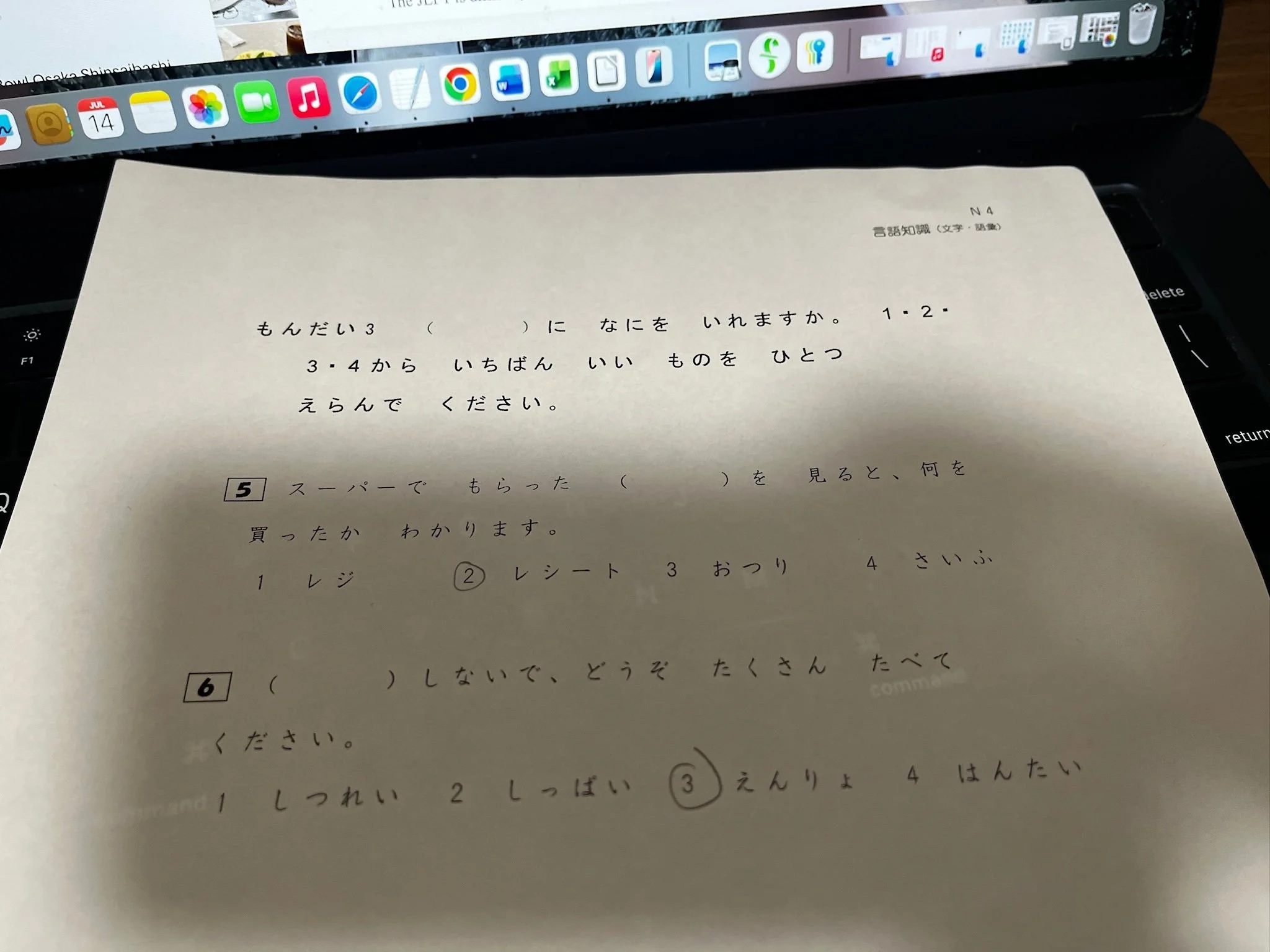
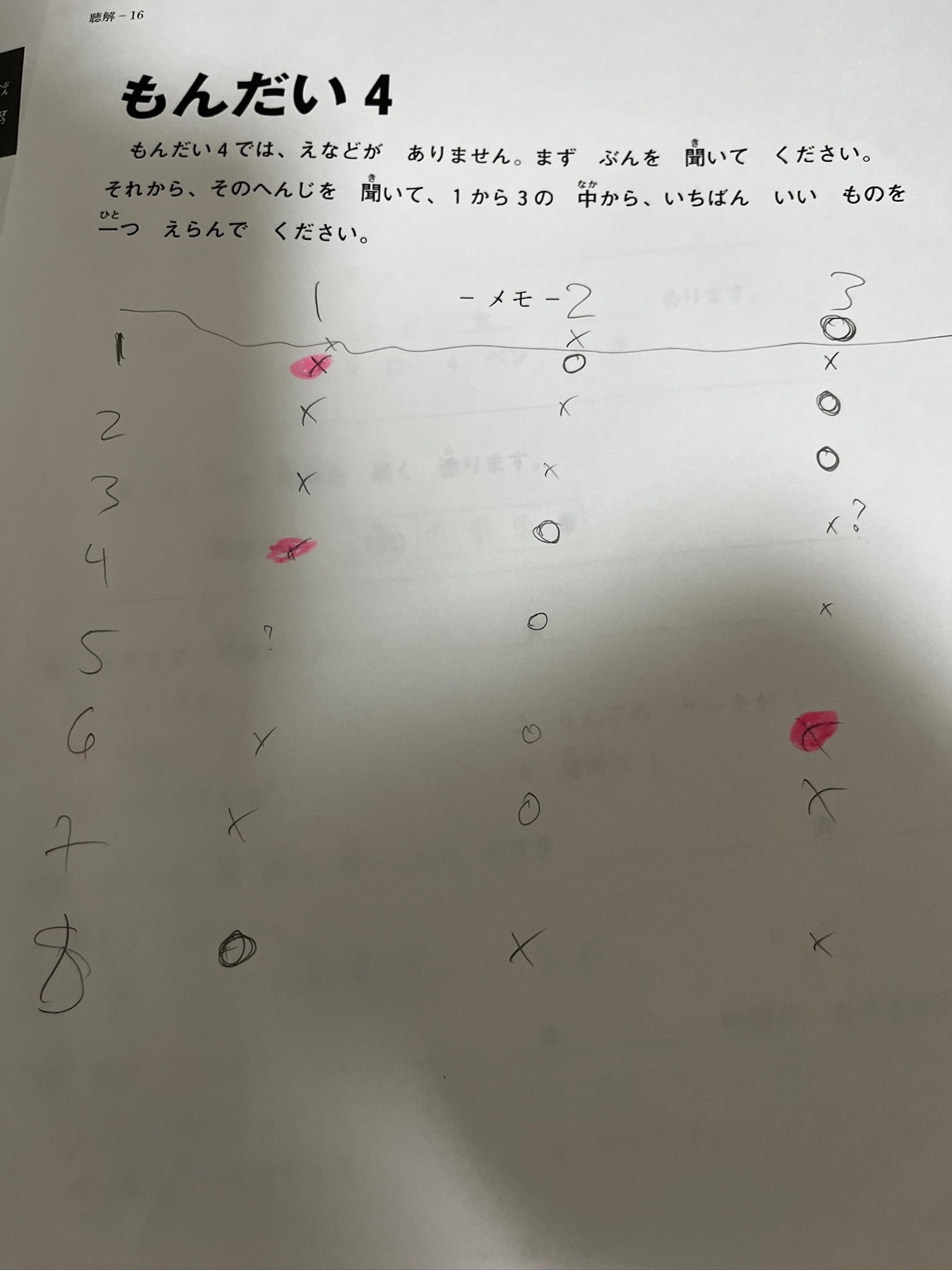
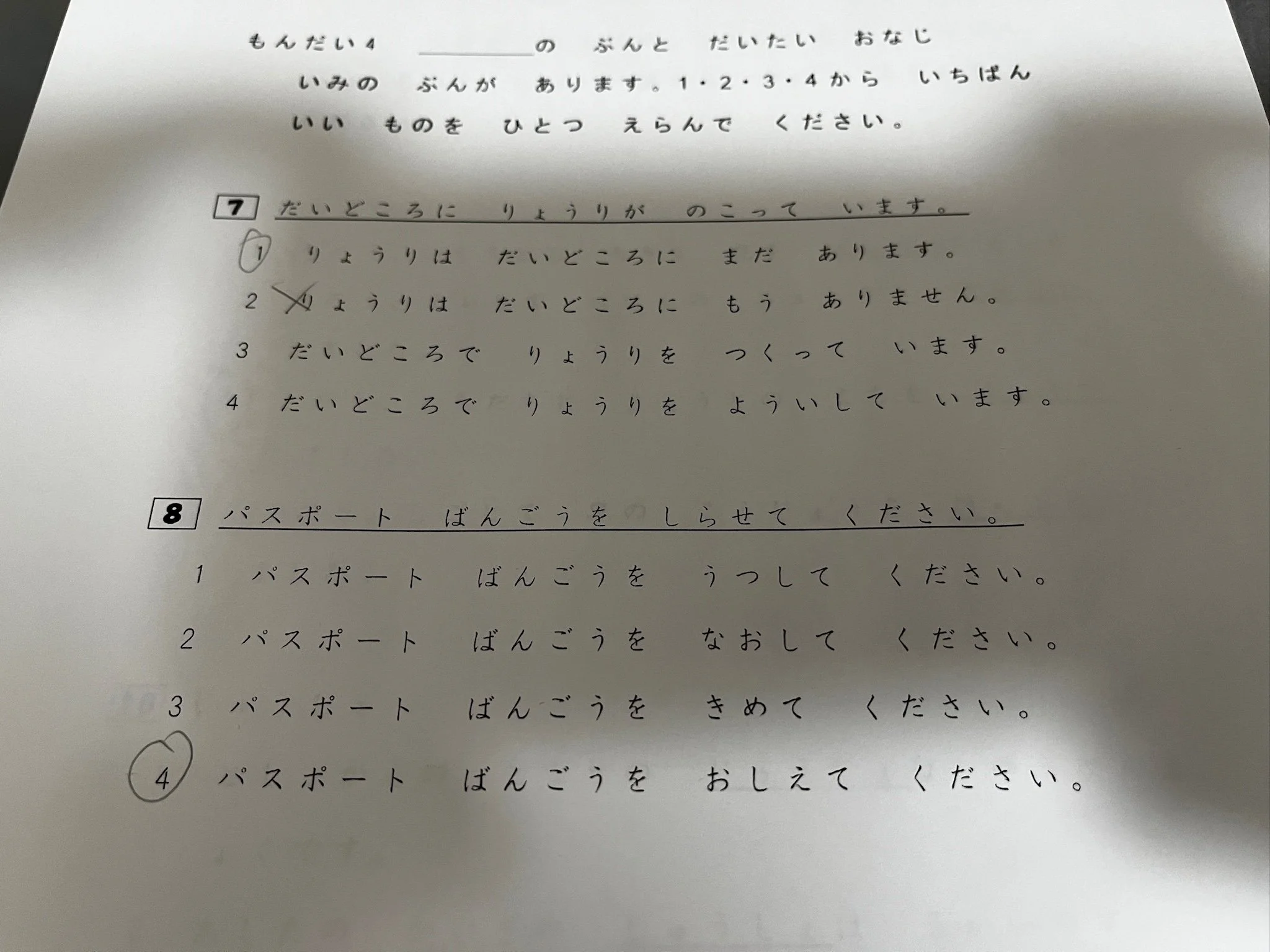
Here are a few things I learned from taking the JLPT that might help you:
Sign up early. There are only so many spots, and they fill up quickly. Certain schools mass-book, so if you don’t sign up on the first day possible, you might miss out.
You can check your test site online. You’re supposed to get a voucher in the mail with your test site and all the necessary information. I didn’t. That’s okay, though, because you should be able to print it out yourself.
It will be crowded. My test site was Waseda University, and there were TONS of people there, filling several big lecture halls. If you don’t want to deal with a huge crowd as you’re arriving and trying to find your seat, get there early.
Eat beforehand. It’s possible to bring a snack to eat on breaks, but you can’t just root around in your bag for food if you get hungry during the test. Eat a nice, big lunch.
The test takes four hours. The first section is 30 minutes, the second 60 minutes, and the third 35 minutes. That is not four hours, but keep in mind there are breaks in between, and you have to sit through the long, complicated process of handing out the tests, picking up the tests, and explaining the rules. You’re in for a long day.
Bring water, but don’t expect to have access to it. The rules for what you can have on the desk in front of you are quite strict. I’ve heard of people being allowed to keep unlabeled bottles of water on the desk, but that wasn’t the case where I was. I kept mine at my feet, but didn’t touch it until after I turned the test back in after each section. I didn’t want to even have a chance of getting on the wrong side of the proctors.
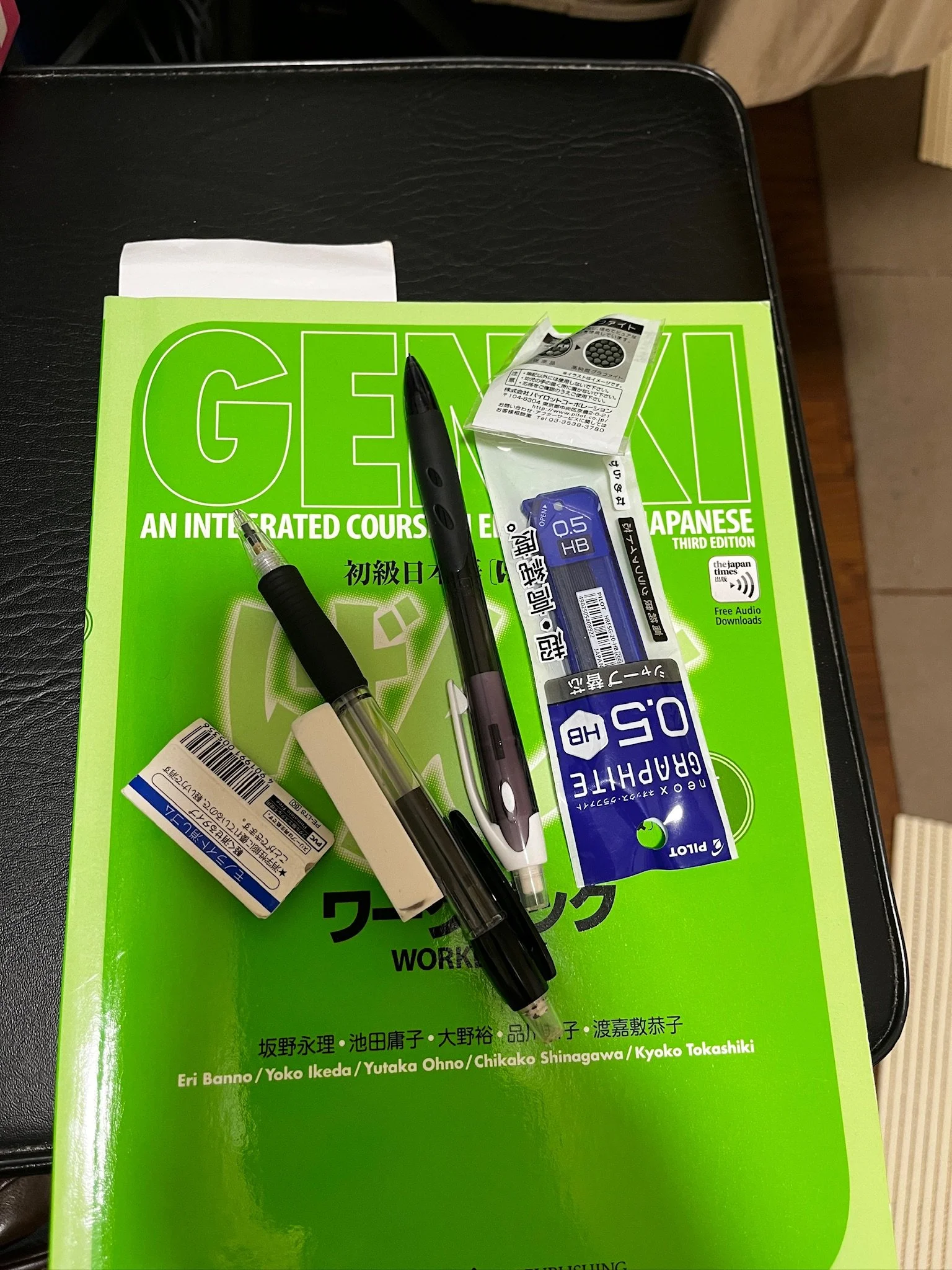
Use a mechanical pencil. A guy next to me had a standard pencil and a pencil sharpener. He was told to put the pencil sharpener away. Get a mechanical pencil and put lots of lead in it, because you won’t be allowed to keep a container of lead on the desk. And take the wrapper off your eraser: nothing with writing is permitted. All you get are pencils and erasers.
DO NOT USE YOUR PHONE, EVEN DURING BREAKS. They repeated this rule about 15 times before the test, but still people didn’t get it. You are given an envelope, and must put electronic devices in there. Do not open this envelope during breaks, or you will be asked to leave. I saw it happen.
All directions are in Japanese. I think the reason people messed up the phone rule is that all directions are given in Japanese, and quickly, into a microphone, so they are hard to hear.
People will be sick. The JLPT is given only twice a year, which means if you are unwell, you’re probably still going to show up. That means people around you will be coughing, even during the listening section. Don’t kill them, or you may be disqualified.
The listening is the toughest part. I think anyone who takes the test will tell you this. The listening is not done on headphones; questions are played through speakers at the front of the room, and everyone is shuffling papers and coughing during the crucial last bit of each dialogue. I would honestly recommend practicing listening questions outside so you get a feel for picking out words when you can’t hear well.
Remember: you only need 50% right to pass. That’s right: 50% is a passing grade. You also have to get at least 30% on each section. You can guess and it won’t hurt you. If you don’t know an answer, let it go and move on, because:
Nothing matters and we’re all going to die. This is a good one to remember after the test. I found myself deflated after months of serious study resulted in nothing more than being unsure if I’d passed. But it’s just one test, and luckily, I don’t have to pass it. I can move on and learn the N3 material and eventually take that one. If you fail, no biggie, you just had a bad day. Get back up on that horse.
That’s all I’ve got. Good luck on the JLPT, and I’ll see you back here once I destroy my brain studying for the N3. But not this year. Maybe next year. Or next next year. We’ll see.